

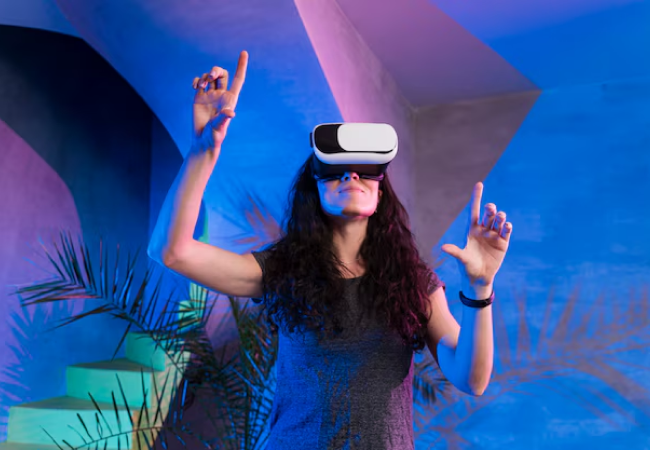
1. Introduction: The Metaverse Has Changed
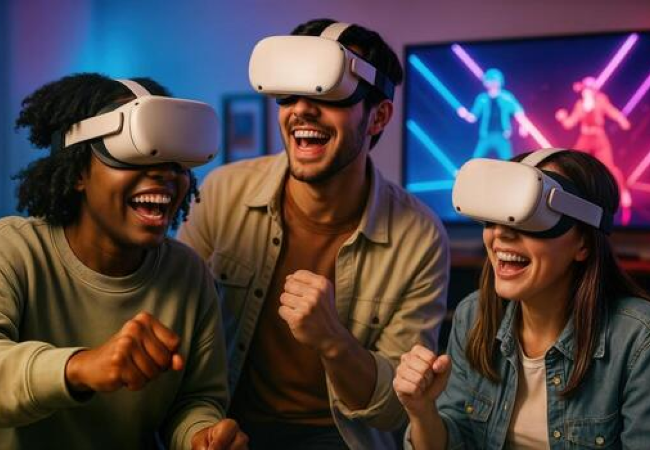
The idea of the metaverse has evolved. What once felt like a sci-fi movie is now taking a practical shape. Metaverse 2.0 represents this shift. It is where technology moves beyond the buzzwords and starts delivering real value to people.
Earlier versions were all about “Metaverse 1.0.” That era focused heavily on gaming and social experiments. Today, Metaverse 2.0 blends digital experiences with real-life use cases. This is where tech truly meets reality. It is the next-generation internet in action.
This change matters right now because the “testing phase” is over. Businesses, schools, and doctors are no longer just playing with ideas. They are adopting solutions. In this blog, you will learn how Metaverse 2.0 technology works and why it is a game-changer for the Web3 ecosystem.
2. What Is Metaverse 2.0? (Simple Explanation)
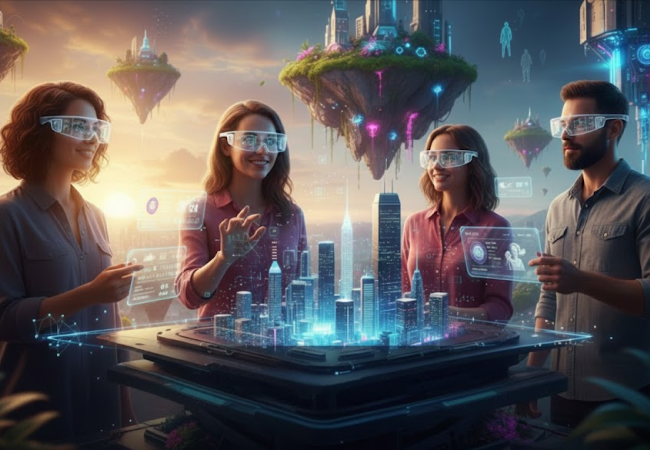
So, what exactly is it? Think of Metaverse 2.0 as the “grown-up” version of the virtual world. It focuses on practical, real-world applications. It connects digital environments with physical experiences in a way that helps us work and live better.
The key goals of Metaverse 2.0 are very simple. It aims to solve real problems and improve how we talk to each other. It creates actual value for businesses and users alike. Unlike the first version, which relied on guessing, this version is built on stable, mature tech.
Metaverse 1.0 vs Metaverse 2.0 (Quick Comparison)
- The Focus: Hype-driven ideas versus real-world use cases.
- The Users: Gamers and early adopters versus professionals and consumers.
- The Tech: Experimental tools versus stable, scalable platforms.
3. Why Metaverse 2.0 Matters Now
The timing is finally right. Why? Because the technology has finally caught up with the dream. We now have the power to make these immersive digital experiences feel natural and useful for everyone.
Advances in AI in metaverse and spatial computing are making worlds smarter. Hardware like headsets and glasses is becoming more affordable. Software is more powerful than ever. We also have faster networks like 5G to reduce lag. This makes large-scale virtual spaces actually work.
Most importantly, real brands are seeing metaverse for businesses as a necessity. Companies use it for training staff and showing off products. This move from “experiment” to “execution” shows that the tech is here to stay. It is building long-term trust and relevance.
4. Core Technologies Powering Metaverse 2.0
4.1 Artificial Intelligence (AI)
AI in metaverse makes virtual worlds smarter. It helps digital characters (avatars) behave more naturally. These environments can now respond to you in real time. Your experience becomes personal because the AI learns what you like and need.
4.2 Augmented & Virtual Reality (AR/VR)
AR and VR in metaverse form the visual base. Virtual reality puts you inside a new world. Augmented reality adds digital layers to your real room. Together, they create mixed reality applications where both worlds live together.
4.3 Blockchain & Digital Ownership
Blockchain in metaverse ensures everything is safe. it supports digital ownership and NFTs. This means if you buy a digital item, you actually own it. You can move it between different sites with full control and transparency.
4.4 IoT & Real-Time Data
The Internet of Things (IoT) connects real sensors to virtual spaces. If a machine in a real factory gets too hot, its digital twin in the metaverse shows it instantly. This virtual and physical integration allows for better monitoring and faster decisions.
5. Real-World Use Cases of Metaverse 2.0
5.1 Business & Enterprise
Companies are moving beyond video calls. They are using virtual collaboration platforms for remote work. Teams can meet in a 3D office to brainstorm ideas on a digital whiteboard. These enterprise metaverse solutions make remote teams feel more connected.
5.2 Education & Learning
Virtual learning environments are changing how we study. Students don’t just read about history; they walk through it. Skill-based simulations let learners practice dangerous tasks, like fixing a jet engine, in a safe digital space. This is learning by doing.
5.3 Healthcare
Doctors are using Metaverse 2.0 for training and therapy. Virtual surgery practice helps surgeons get better before touching a real patient. It also helps with mental health. Virtual therapy can help people face their fears in a controlled, helpful way.
5.4 Retail & E-Commerce
Shopping is getting an upgrade. Many brands now offer virtual “try-ons.” You can see how a pair of glasses looks on your face using your phone. These metaverse use cases give customers more confidence. It makes shopping fun and reduces the number of returns.
6. How Metaverse 2.0 Is Different from the Original
Metaverse 2.0 puts function over fashion. It cares more about how useful a tool is than how “cool” it looks. The focus is on usability, performance, and making sure different systems can talk to each other.
In the past, virtual worlds were like islands. They sat all alone. Now, the goal is “interoperability.” This means your digital identity can move from one place to another. This shift makes the technology a useful tool, not just an impressive toy for gamers.
7. Opportunities for Brands and Creators
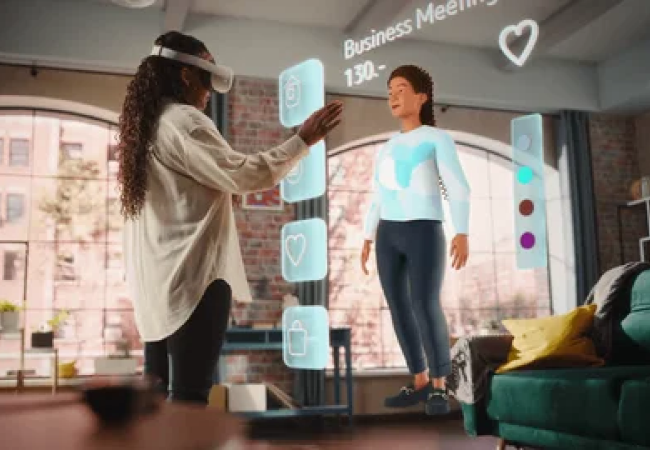
This new era opens up fresh ways to reach people. Brands can build experiences instead of just running ads. Imagine a shoe brand letting you run a virtual race in their new sneakers. This creates a much deeper bond with the customer.
Creators have more power too. You can design digital clothes, host events, or build your own communities. The future of the metaverse is about engagement. It is personal, memorable, and much more interactive than a standard social media post.
8. Challenges and Limitations of Metaverse 2.0
We must be honest—it isn’t perfect yet. Privacy is a huge concern. Safeguarding user identity and information is critical. If these platforms collect so much data, we need to know it is safe from hackers.
Cost is another hurdle. Good headsets are still pricey for many people. Also, there is a learning curve. Not everyone knows how to use extended reality (XR) tools yet. Acknowledging these risks helps us build a better, more realistic future together.
9. How Businesses Can Prepare for Metaverse 2.0
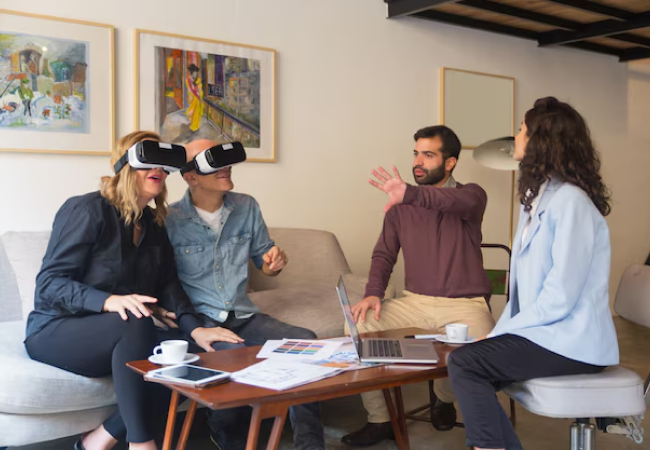
The best way to start is small. You don’t need to build a whole world on day one. Start with a “pilot project.” Maybe try using a virtual room for your next team meeting. Test different options to find what fits your exact requirements.
Invest in learning the new metaverse technology trends. Look for partners who understand the space. Focus on giving your customers actual value, not just a flashy novelty. The brands that start learning today will have a massive head start tomorrow.
10. Future Predictions: What’s Next?
What is coming next? AI-driven worlds will get even smarter. They will adapt to our moods and needs. The line between “digital” and “physical” will continue to blur until we don’t even notice it anymore.
We will also see “industry-specific” metaverses. There will be dedicated spaces just for doctors, builders, or teachers. The metaverse will stop being a “trend” and start being a standard tool—just like the smartphone is today.
11. Final Thoughts: Tech Finally Meets Reality
Metaverse 2.0 is a major turning point. It replaces hype with real solutions. It connects smart technology with our everyday needs. For businesses and creators, it offers a way to grow that is sustainable and meaningful.
The next step is simple for you. Start learning, start testing, and stay flexible. The world is changing, and the digital door is wide open. Are you ready to step through?
12. FAQs
What is Metaverse 2.0? It is the practical evolution of the virtual world. It focuses on real-world use cases and business value instead of just gaming.
Is Metaverse 2.0 real or just hype? It is very real. Businesses already use it for training, working together, and selling products.
How can my business use Metaverse 2.0? You can start with virtual offices, immersive training, or digital stores where customers can interact with your brand.What technologies power it? It runs on AI in metaverse, AR/VR, blockchain, and high-speed 5G networks.


Leave a Reply