

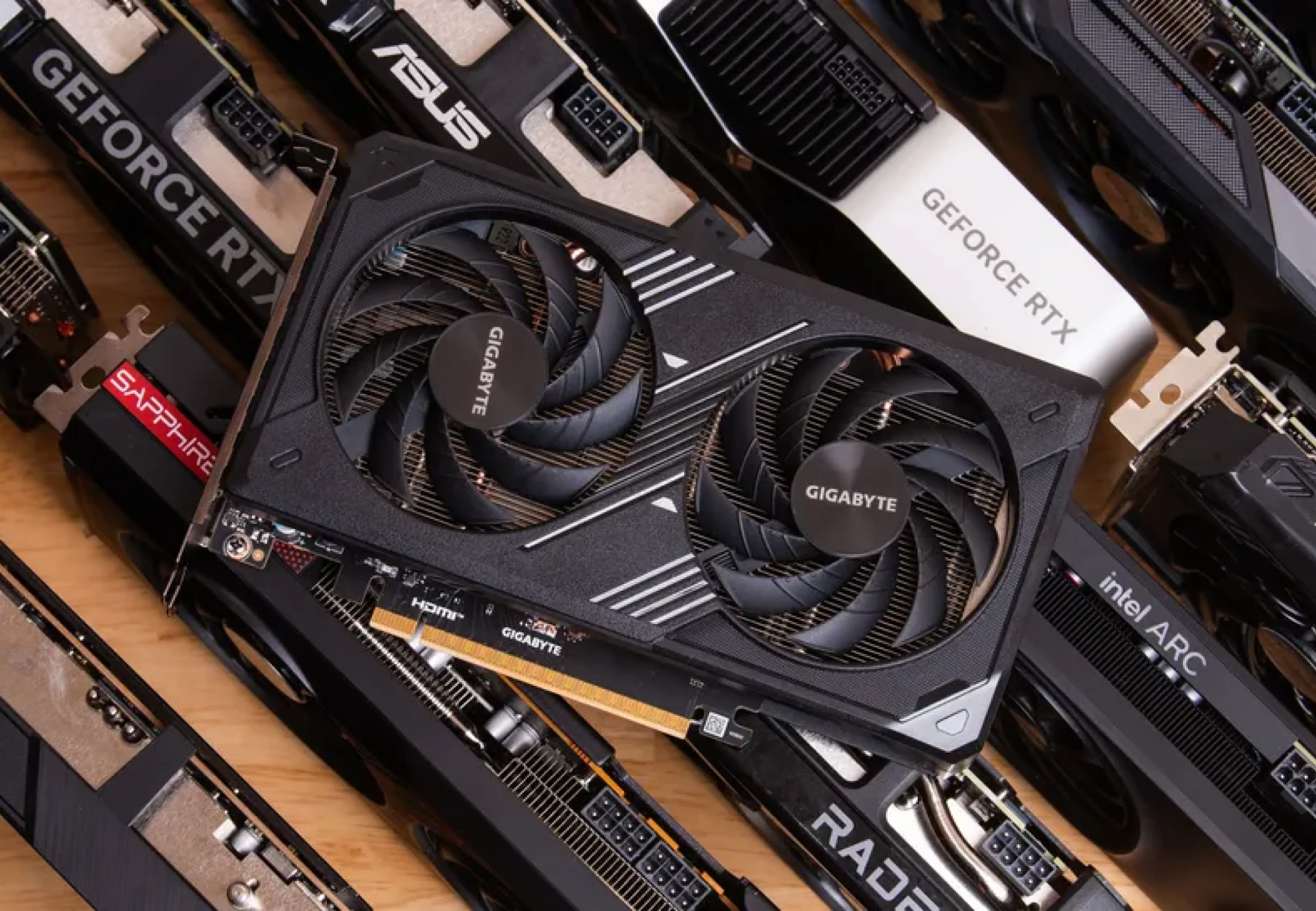
Laptop Video Graphics Cards: The Ultimate Benchmark List for 2026
Introduction
Buying a laptop is exciting. But choosing the right laptop video graphics cards can feel like a headache. There are so many numbers, names, and brands. You might wonder which one actually makes your games run smooth or your videos render fast. This is why looking at a laptop GPU benchmark list is the smartest move you can make. It removes all the uncertainty from the process.
In 2026, graphics power is more important than ever. Software is getting heavier. Games look more like movies. Even basic AI tools need a boost from your hardware. The GPU, or Graphics Processing Unit, is the engine behind all of this. If you pick a weak one, your expensive laptop will feel slow. But if you pick the right one, everything feels like butter.
This guide will help you understand laptop GPU benchmarks in plain English. We will look at laptop graphics card performance across different categories. Whether you are a hardcore gamer, a student, or a video editor, you need the right tool for the job. Let’s break down how these chips work and which ones are winning the race this year.
What Is a Laptop GPU Benchmark?

Think of a benchmark as a fitness test for your computer. A laptop GPU benchmark list shows you exactly how much “muscle” a card has. We use specialized software to run these tests. These tools push the card to its absolute limit. Then, they give it a score. This score helps you compare two different laptops without just guessing which one is better.
There are two main ways we test laptop GPU benchmarks. First, we have synthetic tests. These use math and heavy 3D scenes to measure raw power. Second, we have real-world tests. This involves playing actual games or exporting 4K videos. Both are important. A card might look great on paper but struggle in a real game. That is why we look at both sets of data.
Benchmarks matter because names can be tricky. Two laptops might both have an RTX card, but one might be much faster. This happens because of power limits and cooling. By checking a laptop GPU benchmark list, you see the truth. You see how the card performs in the real world, not just what the marketing says. This approach delivers the highest return on your spending.
How We Measure Laptop Graphics Card Performance
We don’t just look at one number. To understand laptop graphics card performance, we look at several metrics. The most famous one is GPU FPS performance. FPS stands for Frames Per Second. If this number is high, your game looks smooth. If it is low, the game looks like a slideshow. Most gamers want at least 60 FPS for a good experience.
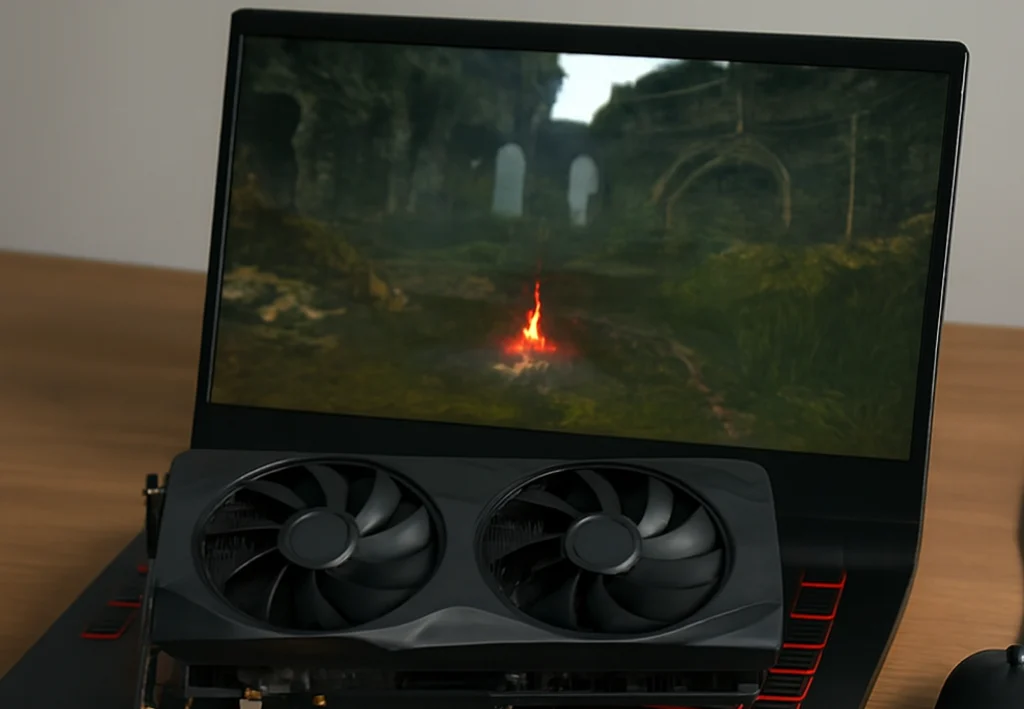
We also measure compute performance. This is huge for people who do 3D modeling or AI work. Tools like the Cinebench GPU score or a Geekbench GPU test help here. They tell us how fast the card can crunch numbers. We also keep a close eye on GPU TDP and thermal performance. TDP is basically how much power the card eats. More power usually means more speed, but it also means more heat.
Finally, we use laptop graphics benchmark tools like 3DMark. The 3DMark GPU benchmark is the industry standard. it gives a clear score for gaming power. We combine these scores with real-world gaming benchmarks. This tells us how the card handles heat over time. If a card gets too hot, it slows down. We call this GPU thermal throttling. A good benchmark list will show you if a card stays fast or drops off.
Integrated vs Dedicated Laptop GPU
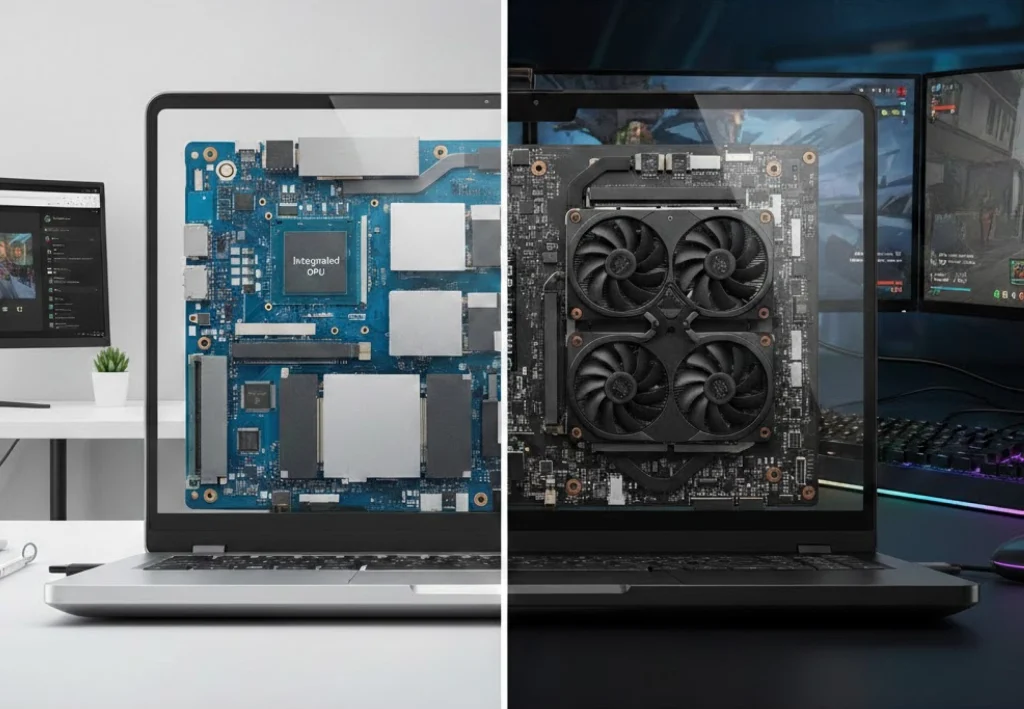
One of the first choices you face is integrated vs dedicated laptop GPU. An integrated GPU lives inside your main processor. It is small and efficient. It doesn’t have its own memory, so it “borrows” some from your RAM. These are great for thin-and-light laptop GPU designs. They save battery life and keep the laptop cool. If you just watch Netflix and write emails, integrated is fine.
A dedicated graphics card laptop is a different beast. This is a separate chip with its own high-speed memory. It is built for heavy lifting. If you want the best laptop GPU for gaming, you must go dedicated. These cards can handle 4K video editing and high-end gaming without breaking a sweat. The downside? They use more power and need bigger fans.
In 2026, integrated graphics performance has improved a lot. Some can even play light games like Minecraft or eSports titles. But they still can’t touch a dedicated card for pro work. When you look at laptop GPU benchmarks, you will see a massive gap between these two types. Always choose based on your heaviest task. If you edit a video, go dedicated. If you only travel and type, go integrated.
Understanding the Top GPU Brands
NVIDIA is the big name in the market. Most high-end laptop GPUs come from their RTX line. They are famous for “Ray Tracing,” which makes lights and shadows look real. They also have great AI features that help boost your frame rates. If you want a graphics card for video editing laptop, NVIDIA is usually the safest bet because most software supports it perfectly.
AMD is the other major player. They offer great laptop graphics card performance for the price. Their cards often use less power, which helps with battery life impact of GPU. AMD is a favorite for mid-range laptops where you want a balance of power and value. They work incredibly well if you have an AMD processor too. It’s like a team working together.
Intel is the newest face in the dedicated world with their Arc series. They are catching up fast. While they might not have the highest laptop GPU benchmark scores yet, they are excellent for creators. They have special hardware for video encoding. This makes them a strong choice for a thin-and-light laptop GPU that still needs to do some creative work.
High-End Laptop GPUs: The Powerhouses
If you want no compromises, you need high-end laptop GPUs. These are the kings of the laptop GPU benchmark list. They are designed for 1440p or even 4K gaming. When you run a 3DMark GPU benchmark, these cards sit at the top of the charts. They feature the most memory and the highest power limits. This makes them perfect for “desktop replacement” laptops.
These cards are also the best graphics card for video editing laptop options. They can render complex 3D scenes or heavy 4K effects in minutes instead of hours. However, they come with a high laptop GPU power consumption. You won’t get much battery life while the GPU is working hard. Most people keep these laptops plugged in when they are doing serious work.
In 2026, high-end cards will also focus heavily on AI. They use AI to “upscale” images. This means the card works less but the picture looks better. This helps keep the GPU thermal performance under control. If you are a professional creator or a competitive gamer, this is where you should spend your money. It is an investment in speed and future-proofing.
Mid-Range and Entry-Level Laptop GPUs
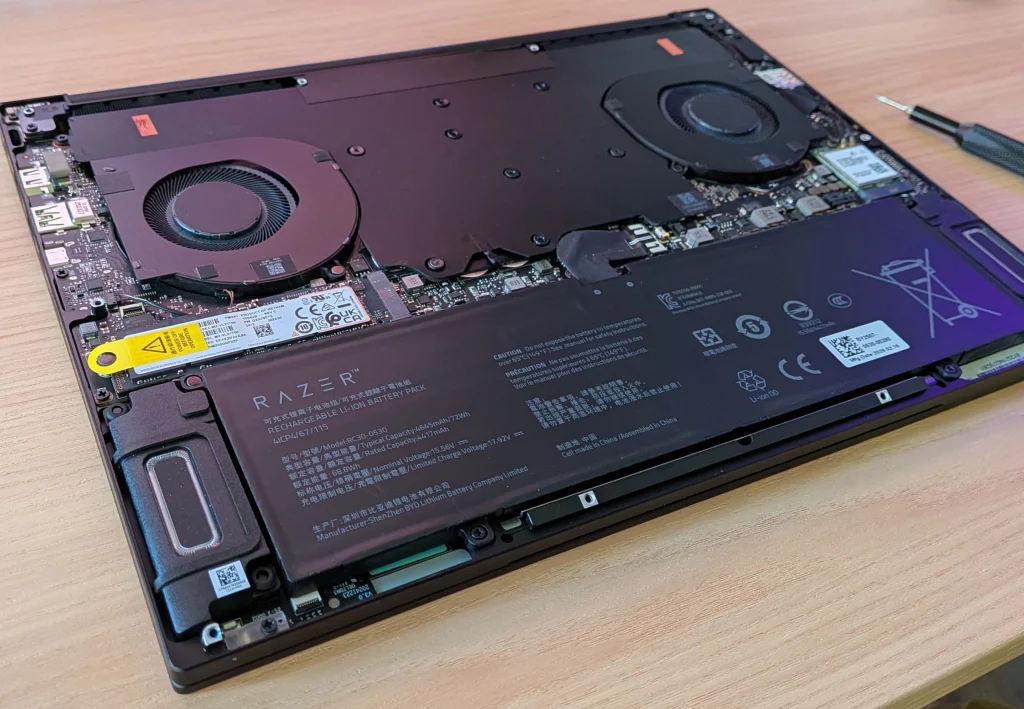
Most people find their sweet spot with mid-range laptop GPUs. These cards offer the best “bang for your buck.” They can run almost any game at 1080p with high settings. On a laptop GPU benchmark list, these cards show solid, steady scores. They don’t get as hot as the high-end cards, so the laptops can be thinner and quieter.
For those on a tight budget, entry-level laptop GPUs are the way to go. These are much better than integrated graphics but won’t break the bank. They are perfect for students who want to play some games after finishing their homework. They handle basic photo editing and 1080p video editing just fine. They handle the toughest tasks in laptops with ease.
When comparing laptop graphics card performance in these tiers, look at the VRAM (Video RAM). Mid-range cards usually have 6GB or 8GB. This is enough for most modern tasks. Entry-level cards might have 4GB. This is okay for now, but it might struggle with very heavy games in a few years. Always try to get as much VRAM as your budget allows to keep the laptop relevant.
Real-World Performance and Battery Life
Benchmarks are great, but how do they feel? In real-world gaming benchmarks, a high score translates to a “stutter-free” experience. You won’t see the screen tear or lag when things get intense. This is why laptop GPU benchmarks are so helpful. They predict that smooth feeling before you buy the machine. It’s about more than just numbers; it’s about the experience.
One thing benchmarks don’t always show is the battery life impact of GPU. A powerful dedicated card will drain your battery fast. Even if you aren’t gaming, the card might stay “awake” and eat power. Modern laptops use “switching” technology. They use integrated graphics for the desktop and save the dedicated card for games. This helps, but a gaming laptop will still die faster than an office laptop.
You also have to consider GPU thermal throttling. If a laptop is too thin, it can’t get rid of the heat. The GPU will then slow itself down to stay safe. This means your laptop graphics card performance might drop after 30 minutes of play. When reading a laptop GPU benchmark list, look for “sustained” performance scores. That tells you how the laptop behaves during a long work session.
How to Choose the Right GPU for Your Needs
Start by being honest about what you do. If you only play League of Legends or Valorant, you don’t need high-end laptop GPUs. A mid-range or even a strong entry-level card is plenty. You will save money and have a lighter laptop. If you are a pro video editor, don’t skimp. Get the best laptop video graphics cards you can afford. It will save you hundreds of hours in rendering time.
Check the laptop GPU benchmark scores for the specific model you want. Remember, the same GPU can perform differently in two different laptops. One might have better cooling or more power. Look for the GPU TDP and thermal performance details in reviews. A higher TDP usually means more speed. This is a secret tip that many people miss!
Finally, think about the future. Software doesn’t get lighter; it gets heavier. If you want your laptop to last 4 or 5 years, buy one step above what you need today. This “headroom” ensures that your laptop graphics card performance stays good even as new updates come out. Check the laptop GPU benchmark list one last time before you hit the buy button to ensure you’re making a top-tier choice.
Final Verdict on Laptop GPU Benchmarks
Choosing between laptop video graphics cards doesn’t have to be a mystery. By using a laptop GPU benchmark list, you can see exactly what you are paying for. It helps you find the balance between power, heat, and price. In 2026, there is a perfect GPU for everyone. The key is knowing where to look.
Remember that laptop GPU benchmarks are a guide, not a rule. Consider the whole laptop, including the screen and the cooling. A fast GPU is no fun if the screen looks bad or the fans are too loud. Use the scores to narrow down your choices, then look at the build quality. This approach ensures you get a machine you love.
Technology moves fast, but a smart purchase lasts. Keep an eye on laptop graphics card performance trends and stay informed. Whether you go for an integrated vs dedicated laptop GPU, make sure it fits your daily life. With the right graphics power, your laptop becomes a portal to new worlds and a tool for endless creativity.
FAQ’s
1. Which laptop video graphics cards offer the best performance in 2026?
High-end laptop video graphics cards deliver the strongest performance in 2026. These GPUs score high in laptop GPU benchmarks and handle modern games, rendering, and AI workloads smoothly. They are best suited for users who need consistent power and reliable laptop graphics card performance.
2. Is an integrated GPU enough for everyday laptop use?
Yes, integrated graphics performance is more than sufficient for daily tasks like browsing, office work, streaming, and online learning. In the integrated vs dedicated laptop GPU comparison, integrated options also provide better battery life and are ideal for thin-and-light laptop GPU designs.
3. How reliable is a laptop GPU benchmark list when choosing a laptop?
A laptop GPU benchmark list is a reliable starting point. It shows laptop GPU benchmark scores based on standardized tests. However, real-world performance also depends on cooling, power limits, and laptop design, so benchmarks should guide decisions, not replace practical needs.
4. Do laptop GPU benchmarks change after software updates?
Yes, laptop GPU benchmarks can change over time. Driver updates, operating system upgrades, and performance optimizations may improve or slightly reduce scores. This is why checking updated laptop graphics benchmark tools results is important before buying.
5. Does a powerful laptop GPU affect battery life?
Stronger GPUs usually consume more power. High-end laptop GPUs can reduce battery life during heavy use. In contrast, entry-level laptop GPUs and integrated options have a lower battery life impact of GPU, making them better for long unplugged usage.






Leave a Reply