


Screenless Gadgets Are the Future: Top Devices That Don’t Need Displays
Introduction
Screens are everywhere. You see them on your phone, your laptop, and your TV. Even your watch has one. Most people are starting to feel tired. This is what experts call screen fatigue. Too much looking at blue light drains your focus. It strains your eyes and makes you lose touch with the real world. That is exactly why screenless gadgets are starting to gain so much attention in 2026.
These screenless gadgets are unique because they work without traditional displays. Instead of using your eyes to read a screen, you use your voice. You use your ears to listen. You even use your sense of touch. These gadgets without screens rely on smart sensors and AI to get things done. As our technology gets smarter, the screen is becoming optional. This is a huge shift in how we live with tech.
The trend matters now because we want technology to feel natural. We want it to be calm and invisible. In the future, the best tech won’t demand your attention. It won’t beep and flash to make you look at it. Instead, screenless technology will quietly support your daily life in the background. It allows you to stay present while still being connected to the digital world.
What Are Screenless Gadgets?
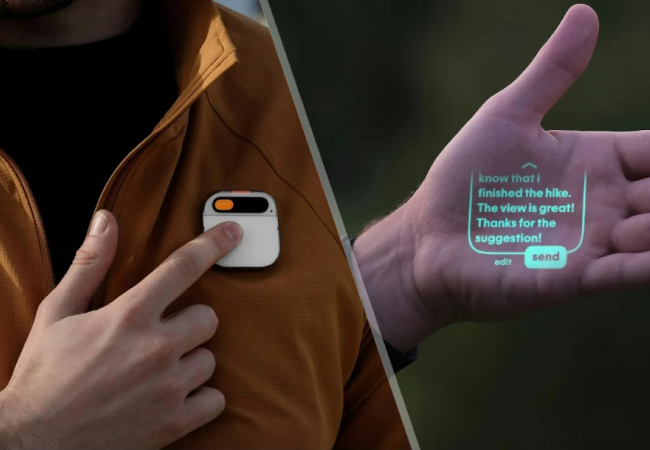
In simple terms, screenless gadgets are tools that function without a visual glass display. Most devices we use today depend on touch and sight. But screenless devices depend on listening, sensing, and responding. The difference is very clear once you start using them. Screens ask for your full attention. Gadgets without screens simply blend into the room.
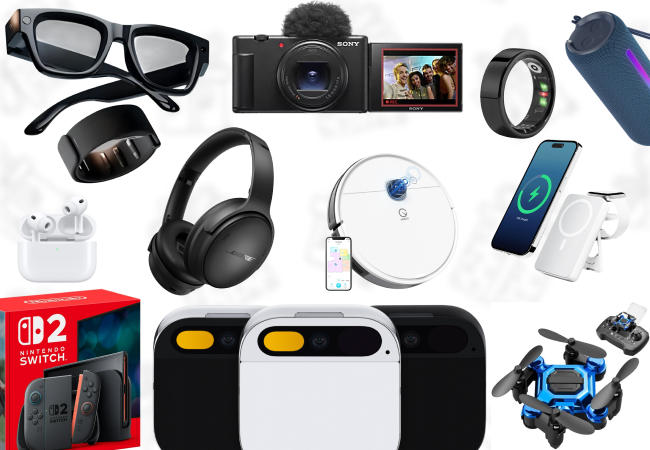
The core tech behind these display-free devices is quite amazing. It uses artificial intelligence to understand what you say. It uses voice recognition to know who is talking. It also uses sensors to detect movement or temperature. You might already use these smart devices without displays without even knowing it. Think about your smart speaker or your wireless earbuds. They are great examples of tech that works perfectly without a screen.
These tools prove that useful tech doesn’t always need a bright display. In fact, many ambient computing devices are better off without one. They measure heart health, sleep quality, and step count throughout the day. This makes them perfect for a home that feels like a home, not a computer lab. They help you focus on your family or your work instead of a glowing rectangle.
Why Screenless Technology Is the Future
One major reason for this move is health. We need screen fatigue solutions that actually work. By using screenless technology, you reduce constant visual engagement. This lowers eye strain and helps your brain relax. You stay more present in the real world. You can have a conversation without a screen getting in the middle of it.
Another reason is speed. Voice-controlled gadgets and sensors remove friction. You can do tasks instantly without unlocking a phone. You don’t have to find an app or swipe through menus. This hands-free interaction devices approach is much faster for simple tasks. You just speak your mind, and the task is done. It makes life feel a lot more fluid and easy.
Accessibility is also a huge factor. These hands-free smart devices help people who cannot see well. They help people who have trouble moving their hands. Interaction feels more natural when you just talk or move. Finally, these devices are very energy efficient. Displays eat up a lot of battery power. By removing them, screenless gadgets can last much longer on a single charge.
How Screenless Gadgets Work
Voice assistants are the heart of this movement. They listen to your words and understand what you want. They then respond through high-quality audio. This voice-first technology makes the device feel like a helpful friend. It is much more personal than tapping on a cold piece of glass. It creates a bridge between you and the internet using just sound.
Sensors also play a big part. They detect motion, light, and even the temperature of the room. Some use haptic feedback technology to give you physical signals. For example, a device might vibrate slightly to tell you a task is finished. This way, you get the info you need without having to look at anything. It is a very subtle and smart way to stay informed.
AI adds what we call context awareness. These context-aware smart devices learn your habits over time. They know what time you wake up and when you leave for work. They can act proactively to help you out. Cloud computing supports this by processing data very fast. It keeps your screenless gadgets responsive and efficient so they never keep you waiting.
Top Screenless Gadgets That Don’t Need Displays
1. Smart Speakers and Voice Assistants
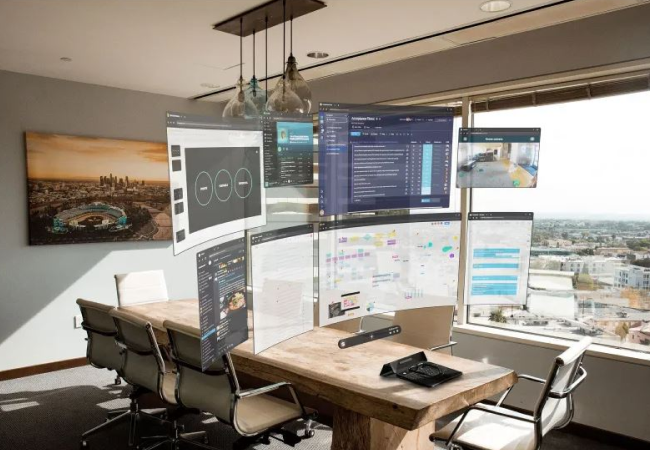
Smart speakers are the most common voice-controlled gadgets today. They manage your music, reminders, and your smart home. They don’t need screens because your voice handles everything. You can check the weather or set an alarm while you are cooking. It keeps your hands free and your eyes on your task. This is the ultimate hands-free smart devices experience for the home.
2. Smart Rings and Wearables
Smart rings are a great example of wearable tech without screens. They measure heart health, sleep quality, and step count throughout the day. Instead of a screen, they use subtle vibrations for alerts. This keeps your health data private and discreet. Without a display, these display-free devices look like normal jewelry. They also last for many days because they don’t have to power a bright screen.
3. Wireless Earbuds with AI
Modern earbuds are now powerful AI-powered gadgets. You can talk to your assistant instead of tapping your phone. They give you real-time alerts and even translate languages in your ear. This makes them amazing for people who are always on the move. They are perfect digital minimalism gadgets because they let you leave your phone in your pocket. You get the info you need through sound alone.
4. Smart Home Sensors
These are the ultimate smart home automation devices. They detect when you walk into a room or when a window is open. They operate silently in the background. Your lights turn on automatically when it gets dark. Your thermostat adjusts itself to save money. This sensor-based devices approach makes your home feel alive and intelligent without any screens.
5. Screenless Fitness Tools
Some new fitness tools guide your workout using only audio cues. This is a great low-distraction technology. You can focus on your form and your breathing instead of watching a video. Biofeedback comes through sound or a gentle pulse on your wrist. It creates a much more mindful health experience. It helps you get away from the “always-on” digital world during your workout.
Benefits for Everyday Users
The biggest benefit is less distraction. Screenless gadgets only interact with you when it is necessary. You won’t find yourself scrolling through social media by accident. They help you stay productive and focused. The experience feels much more intuitive. Talking and moving are things we do naturally. Tapping and scrolling are things we had to learn.
In some cases, your privacy actually improves. There is no visible screen for people to peek at in public. These devices also integrate into your life much more smoothly. They don’t demand that you sit down and look at them. They are there when you need them and invisible when you don’t. This makes them the perfect choice for digital minimalism gadgets.
Challenges and Limitations
Of course, there are some challenges. Voice-first technology requires learning new habits. Not everyone is comfortable talking to a machine yet. There are also privacy concerns because these devices are always listening. You have to trust the company making the device. Also, some complex tasks still need a screen. You wouldn’t want to edit a photo or a long document without a display.
Screenless gadgets also depend heavily on AI accuracy. If the AI doesn’t understand you, it can be frustrating. Errors can make people lose trust in the device. However, as AI gets better in 2026, these mistakes are becoming very rare. Most screenless devices are now smart enough to handle almost any daily request.
Comparison: Screenless vs. Screen-Based
| Feature | Screenless Gadgets | Screen-Based Devices |
| Interaction | Voice, Touch, Sensors | Taps, Swipes, Sight |
| Distraction Level | Very Low | Very High |
| Battery Life | Long / Extra Long | Short / Medium |
| Best Use Case | Moving, Cooking, Sleeping | Watching, Editing, Reading |
Future Trends (2026 and Beyond)
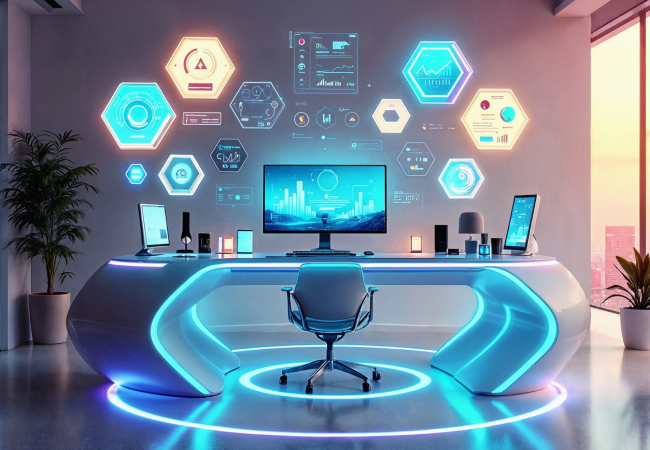
We are moving toward something called ambient computing devices. This means the computer is all around you but you can’t see it. The devices will act before you even ask them to. For example, your car might start warming up because it knows you are about to leave. Your house might play your favorite music as soon as you walk through the door.
Healthcare will also adopt screenless technology very fast. Seniors can use voice-controlled gadgets to call for help or get medicine reminders. IoT devices without displays will monitor health metrics without being intrusive. The future is a blend of smart tech and a screen-free lifestyle. It is about having the power of the internet without the stress of the screen.
Who Should Consider Going Screenless?
If you are a busy professional, hands-free interaction devices will save you time. If you want to automate your home, smart home automation devices are a must. People who want to reduce their screen time should look into these digital minimalism gadgets. They are also perfect for anyone who wants a home that feels more peaceful and less digital.
Screenless gadgets are growing because we want a calmer life. They change how we live with our tools. They allow for less tapping and more actual living. The future of tech is not about having a bigger screen in your face. It is about having an intelligent world that supports you invisibly. It is time to look beyond the display.
Final Thoughts: Life Beyond Screens
Screenless gadgets are growing because people want a calmer, more balanced way to live with tech. We are moving away from a world where every task requires staring at a glowing piece of glass. Instead, we are entering the era of ambient computing devices. This is a future where technology is always there to help, but it doesn’t demand that you look away from the real world to use it.
By choosing gadgets without screens, you are making a choice for your own well-being. You are reducing screen fatigue and reclaiming your attention. These low-distraction technology tools allow you to stay productive while keeping your eyes on what truly matters—whether that’s your work, your hobbies, or the people sitting right in front of you. It is a powerful way to practice digital minimalism without losing the benefits of being connected.
The future of tech is not about bigger, brighter displays. It’s about invisible intelligence. It is about devices that sense your needs and respond to your voice. As we move deeper into 2026, the best gadgets will be the ones you barely notice. They will be the ones that let you live your life to the fullest, completely hands-free and focused.


Leave a Reply