

Introduction
Smartphones changed everything. We all remember life before the iPhone, right? It was a world of paper maps and heavy cameras. But technology never stands still. Today, a new category of tech is emerging. We call them pocket AI devices. These gadgets are small. They are screen-light or even screen-free. Most importantly, they are built around artificial intelligence rather than a sea of apps. This massive shift raises a bold question. Will phones still be our primary gadget in the next few years? Or are we entering a post-smartphone era?
What Exactly Are Pocket AI Devices?
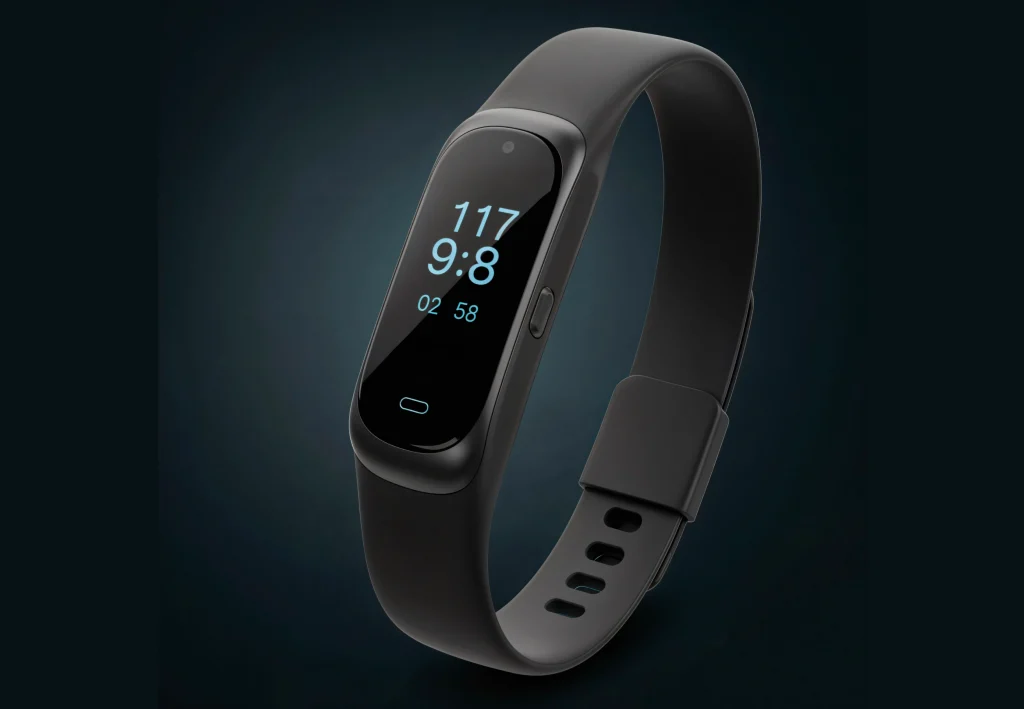
Let’s break this down in simple terms. Pocket AI devices are compact AI powered gadgets. They are designed to help you with specific tasks without making you scroll through a screen. Unlike your phone, which relies on icons and taps, these AI hardware devices often rely on your voice, hand gestures, or simple context. They are “assistant-first” tools.
Think about AI wearable devices or small handhelds that don’t have a giant display. These AI first devices feature always-on intelligence. They use a mix of cloud processing and on-device artificial intelligence to understand what you need. Because they are screenless AI devices, they don’t demand your constant visual attention. Instead, they act like a quiet partner in your pocket or on your lapel.
Why These AI Powered Gadgets Are Rising So Fast
There are three big reasons why pocket AI devices are gaining steam right now. First, screen fatigue is very real. We are all tired of staring at glass slabs all day. People are reporting more eye strain and digital burnout than ever before. We want the power of the internet without the distraction of social media pings.
Second, the tech is finally ready. Smart AI assistants used to be clunky. Now, speech recognition is incredibly accurate. These next generation AI gadgets provide context-aware responses in milliseconds. Finally, people love one-task devices. While phones try to do everything, personal AI devices focus on doing a few things extremely well. This focus makes them faster and more intuitive for daily chores.
How Do These AI Hardware Devices Actually Work?
You don’t need a PhD to understand how a voice powered AI devices works. These gadgets use high-quality microphones and sensors to “see” and “hear” the world around them. When you speak, the AI processes your intent. It then uses compact AI technology to find an answer or perform an action.
The magic happens through a combination of local hardware and the cloud. This is called AI driven hardware innovation. Usually, the flow is simple. You speak, the AI understands, an action happens, and you move on with your life. There is minimal friction. This “zero-interface” approach is why many believe these are the AI gadgets replacing smartphones for quick interactions.
Popular Ways to Use These Smart AI Assistants
Many people wonder what these devices actually do better than a phone. Here are a few ways pocket AI devices are changing the game:
- Quick Answers: Get facts or math results without unlocking a screen or getting sucked into a rabbit hole.
- Smart Scheduling: Tell your always-on AI assistants to “book a table for four at 7 PM,” and it just happens.
- Real-Time Translation: Use wearable AI technology to speak to someone in a different language instantly.
- Health Tracking: Many AI powered personal assistants monitor your vitals and stress levels in the background.
- Hands-Free Navigation: Get haptic or voice prompts for directions while you keep your eyes on the road.
- Instant Notes: Capture a brilliant idea or a voice memo the second it hits you, without fumbling for an app.
Pocket AI Devices vs. Smartphones: The Comparison
It helps to see how these two worlds stack up. Smartphones are app-heavy and screen-dependent. They are amazing multi-purpose tools, but they cause high distraction. On the other hand, pocket AI devices are AI-first and screen-light. They are task-focused and keep distractions to a minimum.
While a phone is a digital Swiss Army knife, an AI gadget is like a dedicated specialist. If you want to watch a movie, you want a screen. But if you want to send a quick text or check your calendar, minimal screen technology is often much faster. This is why AI devices for daily tasks are becoming so popular among busy professionals.
Will Phones Become Secondary Devices?
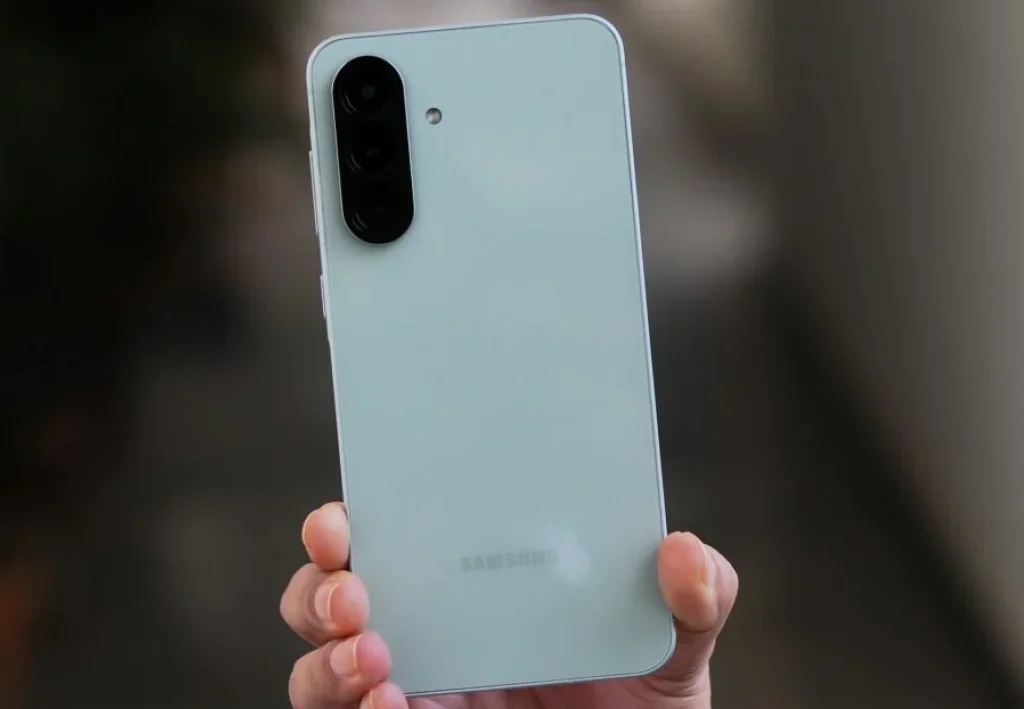
Let’s be realistic here. Phones won’t disappear overnight. We still need them for photos, videos, and complex apps. However, they might become “support” devices. Think about how laptops didn’t kill desktops; they just changed how we use them. We might use our pocket AI devices 90% of the time for quick tasks. The phone stays in the bag or pocket as a backup hub.
In this post smartphone era, the “brain” of your digital life might live in the cloud. Your phone becomes just one of many ways to access that brain. These AI gadgets without screens handle the micro-interactions, leaving the phone for heavy lifting. This shift represents a major change in the future of smartphones.
The Challenges Facing Next Generation AI Gadgets
Every new technology has growing pains. Pocket AI devices face a few hurdles before they can truly take over. Battery life is a big one. Running powerful AI models requires a lot of juice. There are also privacy concerns. People are often wary of always-on AI assistants that are constantly listening for a wake word.
Furthermore, these devices usually need a strong internet connection to work. If you are in a dead zone, your smart assistant might become a paperweight. There is also a user adoption curve. We have spent twenty years learning to tap and swipe. Switching to a voice-first technology takes time and practice.
What This Change Signals for the Next Era of Technology
The rise of AI hardware devices is going to disrupt the app economy. If we stop using apps and start using “actions,” developers will have to change how they build software. We are seeing a massive boom in hardware + AI integration. This opens up huge opportunities for startups to create context-aware AI devices that we haven’t even imagined yet.
We are moving toward a world where the hardware disappears into the background. Instead of us going to the computer, the computer is all around us. This is the heart of AI driven hardware innovation. It’s not just about a new gadget; it’s about a whole new way of living with technology.
Final Thoughts: The Beginning of a Post-Phone Era?
Phones may not vanish, but their dominance is clearly being challenged. Pocket AI devices signal a brand-new era of interaction. We are moving away from being “users” of apps and toward being “partners” with intelligence. The future of tech feels more natural and less intrusive.
The future of smartphones is likely to play a smaller role in our lives. As smart gadgets of the future become more capable, we will look at our screens less and at the world more. It is an exciting time to be a tech fan. The future may not be in our pockets—it may be listening.
FAQ About Pocket AI Devices
What are some examples of pocket AI devices?
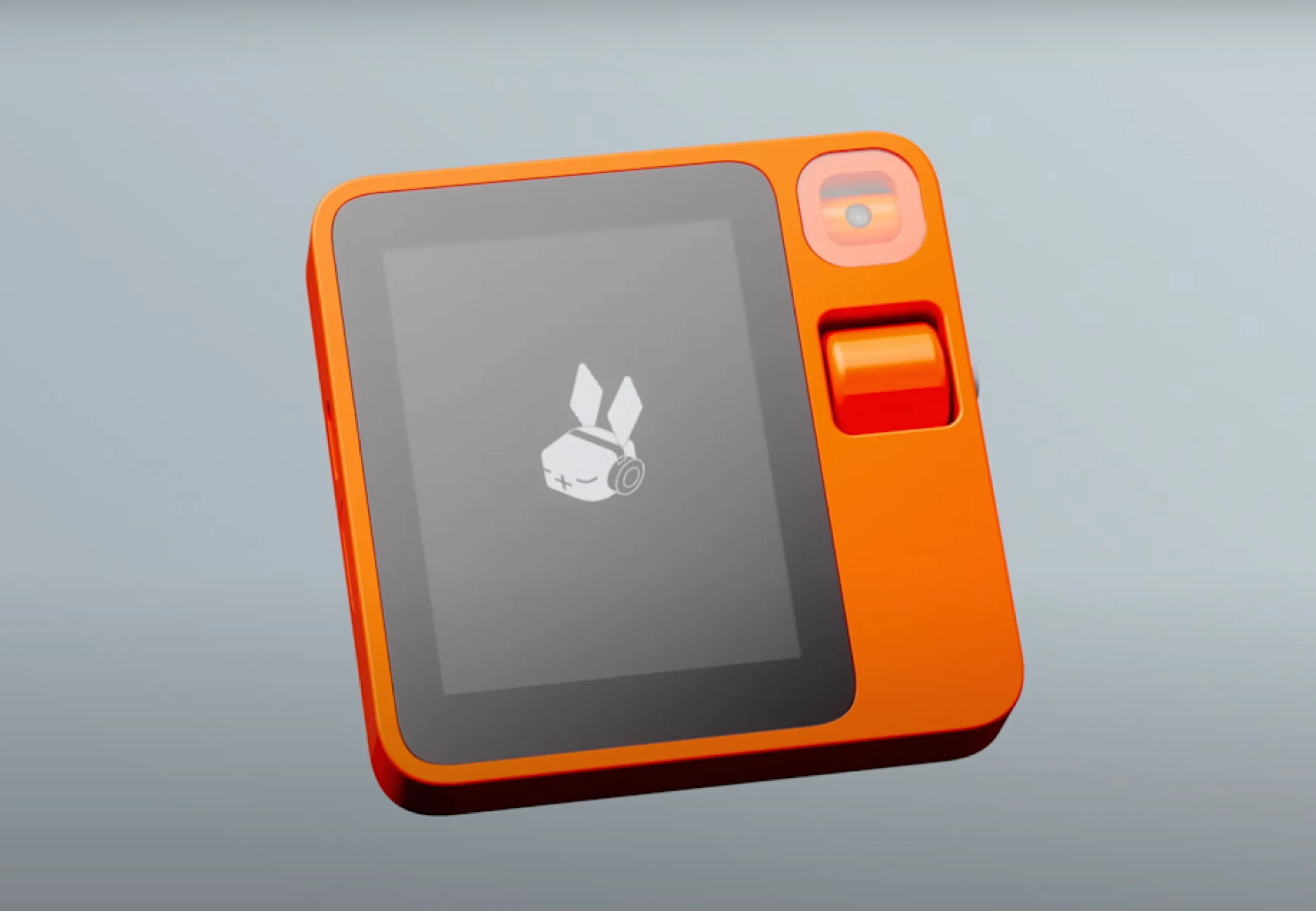
Current examples include the Humane AI Pin, the Rabbit R1, and various smart glasses like those from Meta and Ray-Ban. These are all AI powered gadgets designed to reduce screen time.
Are these devices safer for privacy than phones?
It depends on the brand. Many personal AI devices use physical “mute” switches or “push-to-talk” buttons to ensure they are only listening when you want them to. Always check the privacy specs of your AI hardware devices.
Can an AI device replace my iPhone?
For most people, not yet. While they are great AI gadgets replacing smartphones for quick tasks like texting or setting reminders, they still lack the screen quality needed for social media or professional photography.


Leave a Reply