

_ DC STUDIO _ freepik
Introduction
Physical AI and Humanoid Robotics are changing how machines interact with the real world. AI is no longer stuck inside apps or dashboards. It now moves, lifts, walks, and responds in physical spaces.
This shift is powered by Physical AI technology. It blends software intelligence with hardware systems. Machines can sense their environment, make decisions, and take action. That is the core of modern artificial intelligence in robotics.
When you combine this intelligence with human-like design, you get advanced humanoid robots. These human-like robots can walk upright, grab objects, follow voice commands, and work beside people. This is not a theory anymore. It is happening now.
The rise of Physical AI and Humanoid Robotics marks a turning point. Instead of automating only digital tasks, companies now focus on real-world labor. From factories to hospitals, the impact is real and growing fast.
From Design to Deployment: Creating Physical AI and Humanoid Robotics
-frimufilms-_-freepik–scaled
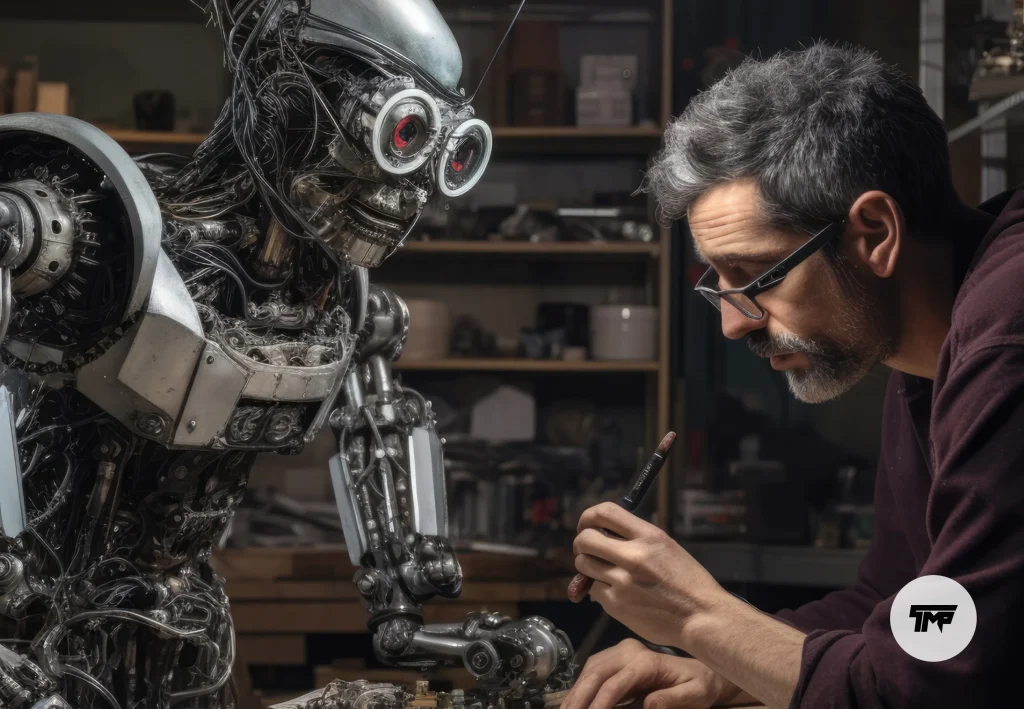
Building Physical AI and Humanoid Robotics is complex. But when you break it down, the robotics engineering process follows clear steps. Every stage depends on the foundation created by the previous one.
First comes the mechanical body. Engineers design a strong yet light structure using advanced materials. They build joints for movement. They add actuators that act like muscles. They design balance systems so the robot can stand and walk safely. These AI-driven mechanical systems must handle weight, speed, and stability.
Next comes perception. Robots need to see and feel. They use cameras, depth sensors, LiDAR, microphones, and touch sensors. These sensor-based robotic systems form advanced robot perception systems. The robot collects data from the environment and sends it to its AI brain in real time.
Then comes the intelligence layer. This is where Physical AI technology shines. Engineers train models using computer vision and reinforcement learning in robotics. The system learns how to move, adapt, and improve. It studies patterns. It predicts outcomes. It plans motion. This makes autonomous humanoid machines possible.
Control systems connect the brain to the body. Low-latency processors convert decisions into smooth movements. Even a small delay can cause imbalance. That is why precision matters so much in intelligent robotics systems.
Before deployment, teams use robotics simulation training. They test the robot in virtual worlds. This reduces risk and saves money. After that, real-world testing begins. Engineers refine balance, grip strength, object handling, and safety for human-robot collaboration.
This step-by-step system turns ideas into working AI-powered robots. It is engineering, data science, and constant iteration combined.
Sectors Where It’s Very Useful
frimufilms freepik
Physical AI and Humanoid Robotics already serve multiple industries. The applications go far beyond experiments. These machines now power real physical world AI applications.
Manufacturing
In robotics in manufacturing, humanoid systems handle assembly lines, heavy lifting, and precision tasks. Many factories now use industrial humanoid robots to boost speed and safety. These robots reduce errors and support workers during repetitive jobs.
Healthcare
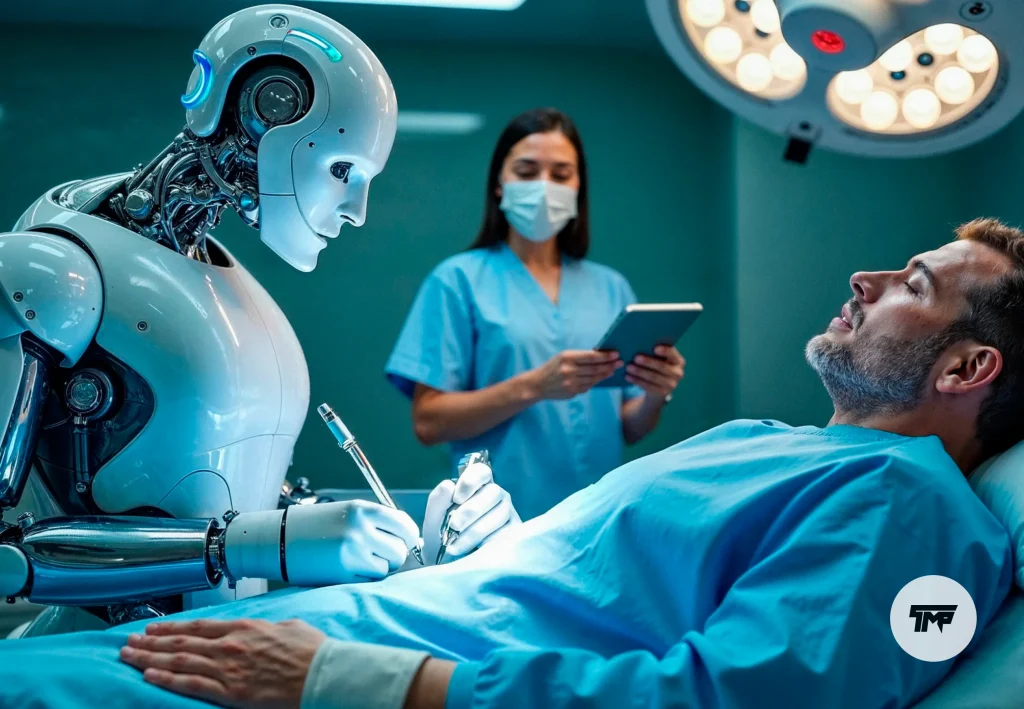
In robotics in healthcare, robots assist elderly patients and support rehabilitation. They move supplies across hospitals. They act as smart robotic assistants in controlled settings. This improves patient care and reduces staff workload.
Logistics & Warehousing
Warehouses use AI-powered automation for sorting, packaging, and inventory tracking. Humanoid robots can move through human-designed spaces without major redesign. This flexibility gives companies a competitive edge.
Retail & Hospitality
Service robots guide customers, restock shelves, and support front-desk tasks. These human-like robots improve efficiency and reduce wait times.
Space Exploration
Space agencies explore using autonomous humanoid machines in risky environments. Robots handle repairs, setup, and inspections where human safety is at risk.
Disaster Response
In dangerous zones, robots enter burning buildings or chemical sites. They support rescue teams. This shows the real power of the future of automation technology.
Advantages of Physical AI and Humanoid Robotics
_ macrovector _ freepik
Physical AI and Humanoid Robotics bring strong benefits. Industries adopt them because the advantages are practical and measurable.
Increased Productivity
Robots work 24/7. They do not get tired. This boosts output and supports consistent quality.
Improved Safety
In mining, construction, and chemical plants, robots reduce risk. They perform tasks that could harm humans.
High Precision
Advanced intelligent robotics systems reduce mistakes. They improve accuracy in surgery, manufacturing, and logistics.
Solving Labor Shortages
Many industries struggle to find workers. AI-powered robots fill that gap without slowing operations.
Long-Term Cost Efficiency
Initial costs are high. But over time, operational savings grow. This makes Physical AI and Humanoid Robotics attractive for long-term planning.
Disadvantages of Physical AI & Humanoid Robotics for Human Race
No technology is perfect. Physical AI and Humanoid Robotics also raise serious concerns.
Job Displacement
Automation can replace repetitive manual jobs. Workers may need retraining to stay relevant.
High Development Cost
Building advanced Physical AI technology requires large investment. Research, hardware, and testing are expensive.
Ethical Concerns
There are strong ethical concerns in robotics. Who controls the system? How do we ensure safety? These questions need clear answers.
Security Risks
If hackers access robotic systems, physical harm is possible. Cybersecurity must stay strong.
Overdependence
If humans rely too much on AI-powered automation, skill levels may decline over time.
Balanced growth matters. Strong regulation and ethical frameworks help reduce these risks.
Companies Who Are Working on This Project
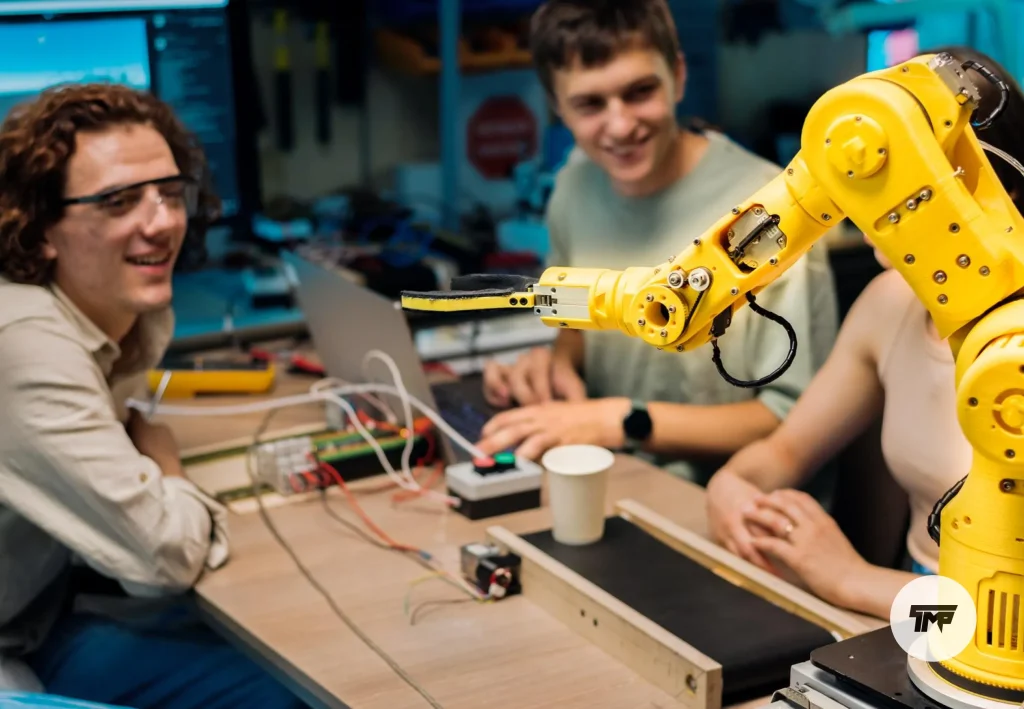
frimufilms freepik
Several leading AI robotics companies invest heavily in Physical AI and Humanoid Robotics:
- Tesla is building the Optimus humanoid robot for factory and home use.
- Boston Dynamics develops Atlas, known for advanced mobility.
- Figure AI focuses on general-purpose humanoid systems.
- Agility Robotics builds Digit for logistics tasks.
- Sanctuary AI develops cognitive robots for complex environments.
These companies push the future of humanoid robots forward. They test systems in real factories and warehouses today.
Conclusion
Physical AI and Humanoid Robotics represent the next big leap in technology. AI no longer lives only in the cloud. It now walks, lifts, and interacts in real environments.
This shift will reshape industries. It will change labor markets. It will improve safety and productivity. At the same time, it demands responsible leadership.
The future of humanoid robots depends on ethics, safety, and smart regulation. If developed carefully, Physical AI and Humanoid Robotics can enhance human potential instead of replacing it.
The future is not just digital.
It is physical.
FAQ’s
1. What is Physical AI?
Physical AI is intelligence embedded in machines that interact with the real world using sensors and actuators.
2. Are humanoid robots replacing humans?
They assist with repetitive or risky tasks. They do not fully replace human judgment or creativity.
3. When will humanoid robots become common?
Experts predict broader adoption within 5–15 years as costs decrease.
4. Is humanoid robotics safe?
With strong testing, regulation, and cybersecurity, risks can be controlled.
5. What skills are needed in this field?
Robotics engineering, AI development, mechanical design, embedded systems, and data science are essential skills.





Leave a Reply