

Introduction
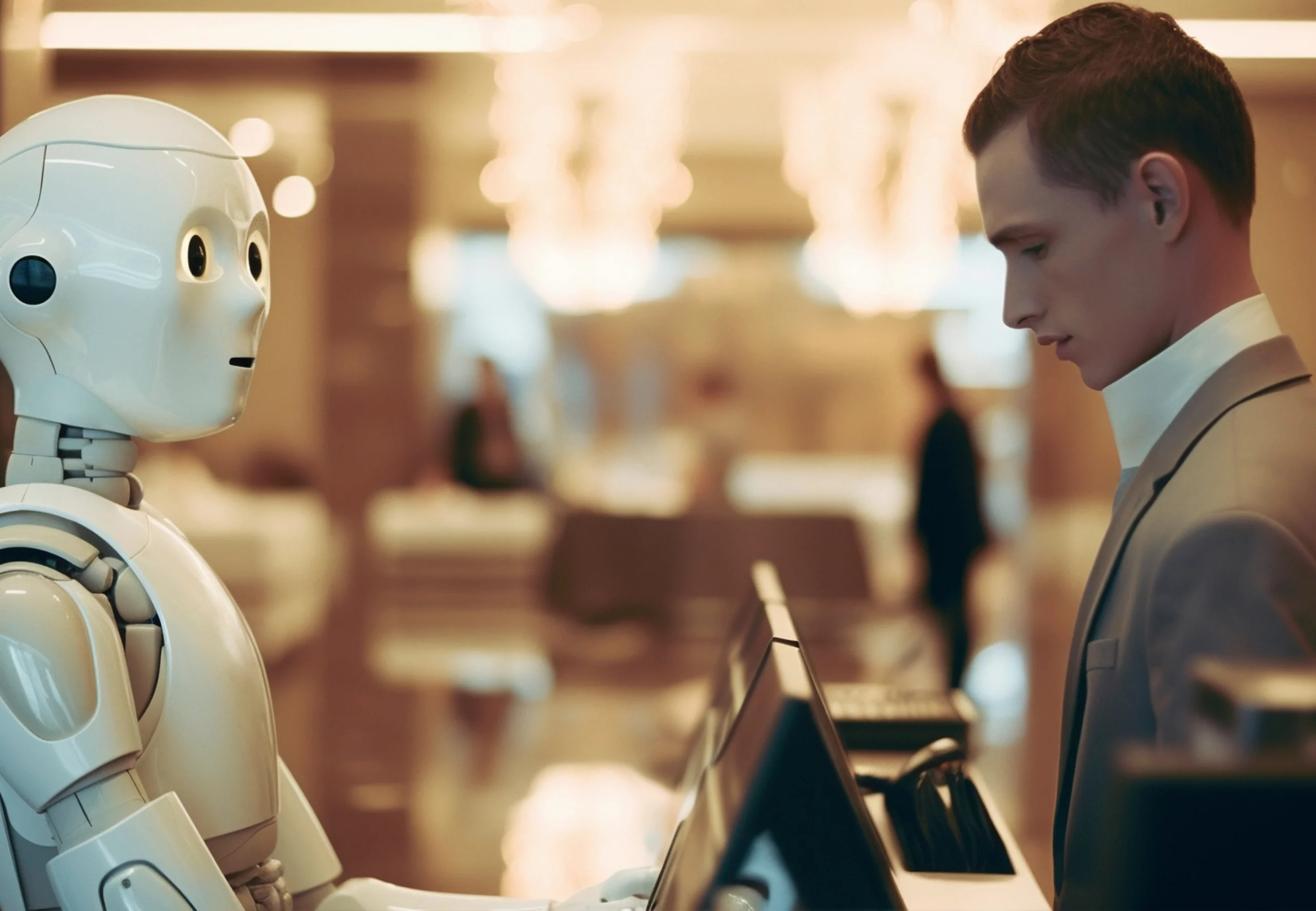
A new kind of shopper is entering the global market. It does not browse websites for fun. It does not read product reviews for emotional comfort. It never gets tired of comparing prices. This shopper is not a person at all. It is artificial intelligence. We call these entities machine customers. They are AI systems that can decide what to buy and when to buy it. Often, they do this without any human help at all.
This shift is happening right now in 2026. It is not some science fiction story for the distant future. AI systems now have access to real-time data and advanced math. They can use automated payments and follow set rules. This mix allows AI to move past being a simple helper. It is now stepping into the role of a primary decision-maker. For your business, this changes the entire game.
Marketing and sales must evolve fast. Companies that understand machine customers early will win big. They will gain a massive edge in the new economy. Those who ignore this trend risk becoming invisible. If an AI cannot find your product, it will never buy it. You are no longer just selling to people; you are selling to algorithms.
What Are Machine Customers?
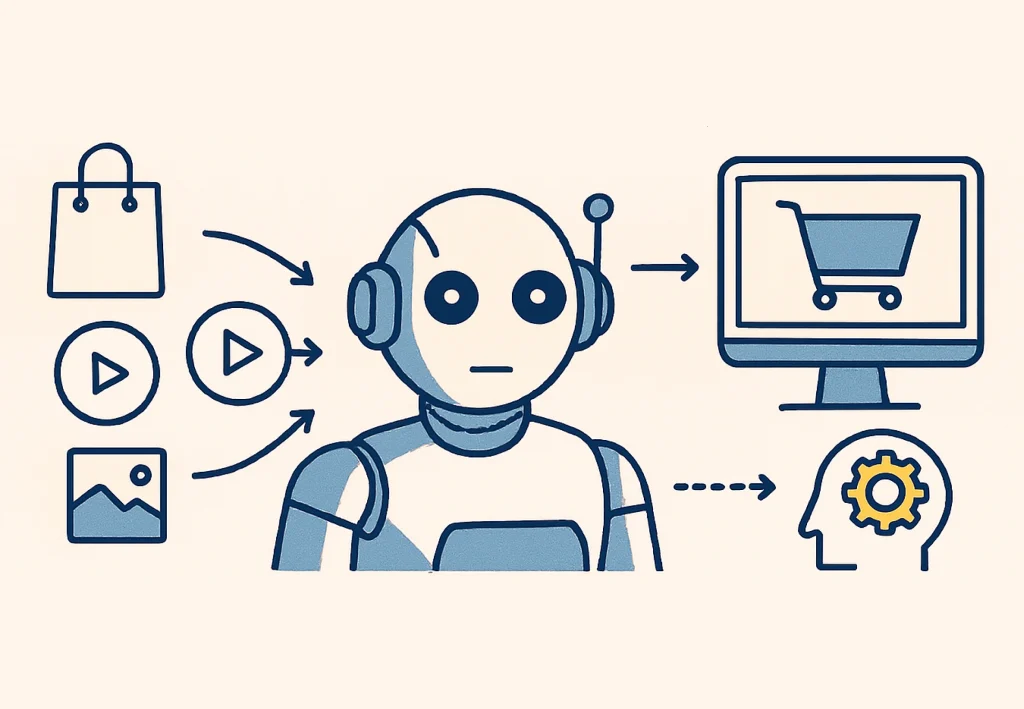
In the simplest terms, machine customers are non-human buyers. They are software programs that purchase goods or services on their own. Unlike humans, these buyers do not act on feelings or brand loyalty. They do not have “bad days” or make impulse buys at the checkout line. Instead, they follow logic and data. They focus on reaching specific goals set by their owners.
The difference between a human and a machine is very clear. A human buyer balances emotion with logic. They might buy a certain brand because it makes them feel cool or safe. Artificial intelligence customers rely entirely on rules and performance. They look at data-driven buying decisions to find the best deal. They want the highest quality for the lowest cost, every single time.
We already see machine-driven commerce in the world today. AI systems can reorder office supplies or negotiate cloud storage prices. Some systems act with a little bit of human oversight. Others operate fully on their own. As these systems get smarter, they become faster and more influential. They are becoming the primary AI buyers in business for repetitive tasks.
Why AI Is Now Able to Act as a Buyer
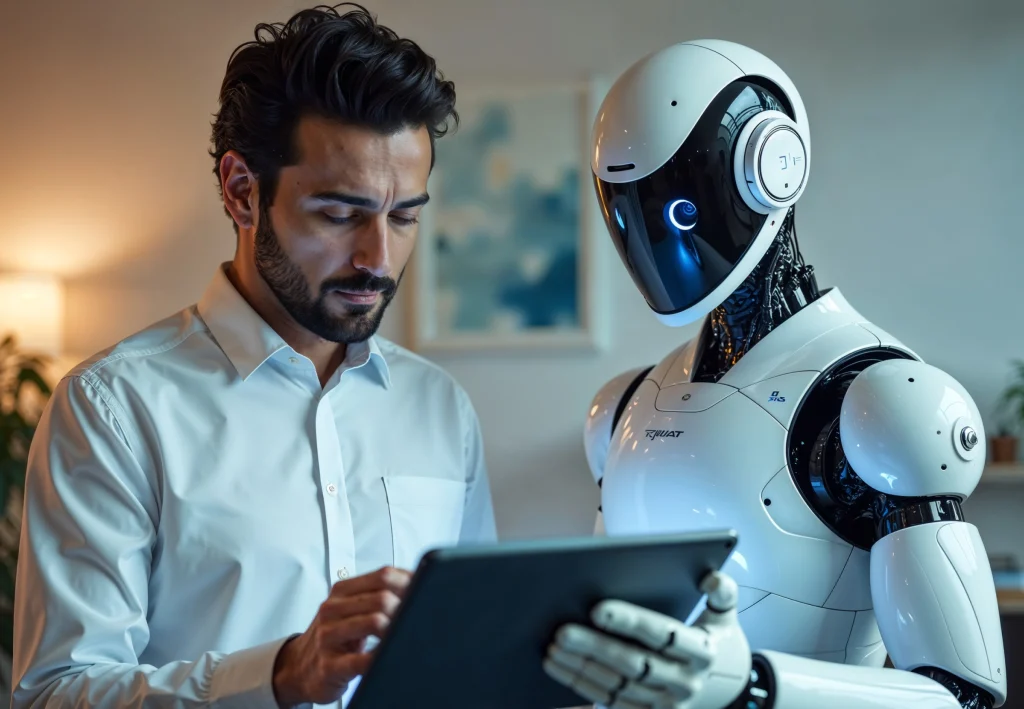
AI did not become a professional shopper overnight. Several technologies grew up at the same time to make this possible. First, we have advances in machine learning. Modern AI can predict demand better than any human. It evaluates trends and forecasts what a company will need next month. This allows the machine to choose the most efficient option, not just the cheapest one.
Second, AI has access to real-time data through APIs. These intelligent buying systems connect directly to inventory and pricing feeds. Decisions happen in a split second. There is no need for a manual review or a long meeting. Third, AI is now integrated with payment systems. It can trigger machine-to-machine transactions and manage subscriptions. This removes all the friction from the old-fashioned buying process.
Finally, we have better trust frameworks and rules. Businesses define boundaries for their AI. These rules include budget limits and risk levels. The AI operates within these walls. This makes AI purchasing decisions both fast and controlled. Because the rules are clear, the business knows the AI will not overspend. This creates a safe environment for algorithmic purchasing to thrive.
Real-World Examples of Machine Customers Today
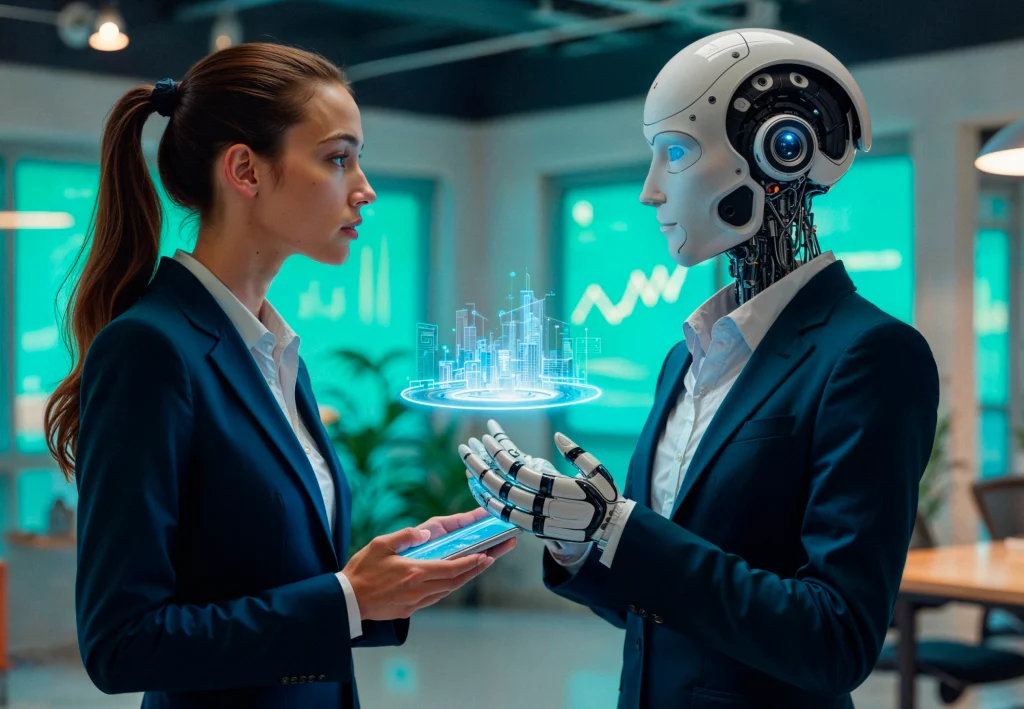
These buyers are not just a theory. They are already working in many industries. Think about smart office systems. They can automatically order ink, paper, or hardware when levels get low. No employee has to check the cabinet. The system knows what is missing and buys it. This is AI-powered procurement in its most basic and helpful form.
Another great example is cloud infrastructure. AI agents manage server resources for big tech companies. They scale resources up or down based on web traffic. They choose vendors and pricing plans dynamically. They might switch from one provider to another in seconds to save money. This is a perfect example of AI as a buyer managing a complex service.
Enterprise businesses also use autonomous procurement systems. These platforms negotiate contracts and select suppliers for raw materials. They place bulk orders based on data, not on who took the manager out to lunch. Even IoT devices are getting in on the action. A smart factory might negotiate its own energy usage or maintenance contracts without any human input.
How Machine Customers Change the Buying Process
The AI-driven buying process looks nothing like the human one. First, emotional influence totally disappears. Machines do not care about catchy slogans or pretty packaging. They do not care about your brand’s “origin story.” They only care about measurable outcomes. If your data does not prove you are the best, the machine will skip you.
Speed also becomes the new default. A human might take weeks to pick a new software vendor. An AI evaluates a thousand options in seconds. Any delay in your system means a missed opportunity. Machine-to-machine commerce happens at the speed of light. If you can’t keep up, you simply won’t be part of the transaction.
Buying also becomes a continuous act. Instead of a one-time purchase, AI systems constantly look for better deals. They might optimize a subscription every single day. Four main signals dominate these machine decisions:
- Price: Is it the lowest total cost?
- Performance: Does it meet the technical specs?
- Reliability: What is the uptime or success rate?
- Compatibility: Does it plug into our current systems?
Impact on Businesses and Marketers
Because of machine customers, product design must change. You have to build products that appeal to algorithms. Visual appeal is still nice for humans, but technical data matters more now. Your product’s uptime and efficiency are your new marketing features. Clear metrics must replace persuasive writing. If your product performs better, the AI will see it in the data.
Marketing strategy is also shifting. It is moving away from TV ads and toward structured data. SEO and clean data feeds are now critical for survival. Your product info must be standardized. It must be easy for autonomous buying agents to read. APIs are starting to replace traditional sales conversations. If an AI can’t “read” your product, you don’t exist.
Pricing is also becoming more dynamic. AI can adjust costs based on demand and market conditions instantly. This leads to AI negotiating contracts with other AI systems. Human sales teams will still exist, but they will supervise the strategy. The machines will handle the actual execution of the deals. It is a faster and much more efficient way to do business.
How Companies Should Prepare for AI Buyers
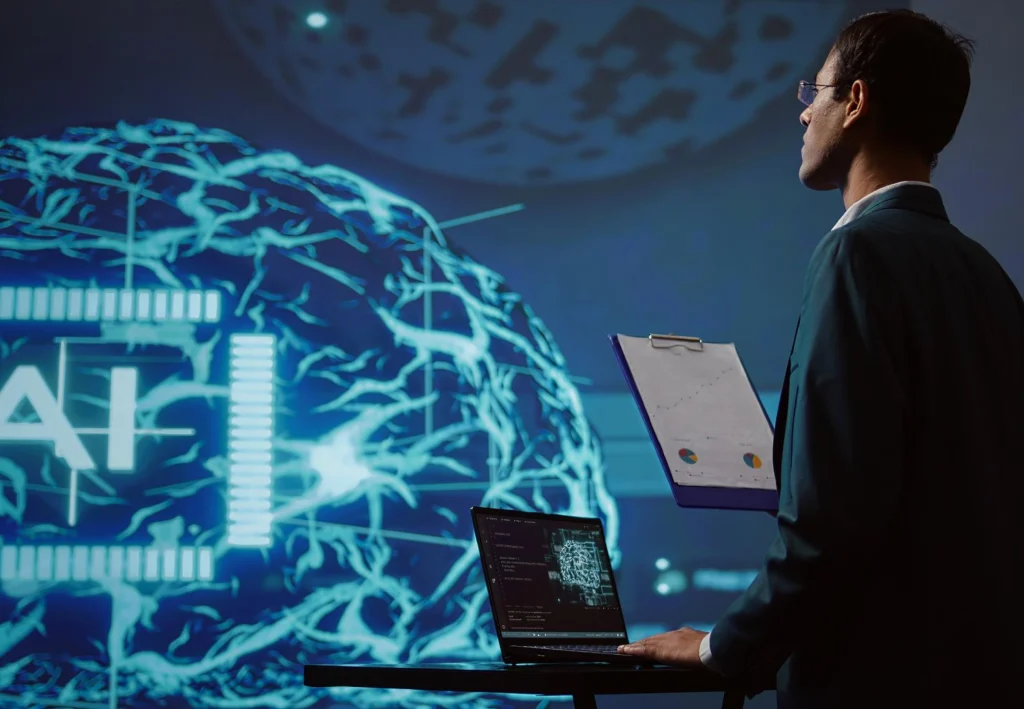
Preparation starts with your data. You must structure your product info so AI can find it. This includes clear specs and performance benchmarks. If AI agents in e-commerce cannot evaluate your product, they will ignore it. You need to focus on “machine-readability.” This is the new SEO for the age of machine-driven commerce.
Discoverability is the second big step. You need to be where the machines are looking. This means being listed in the right databases and marketplaces. Trust signals are also changing. Certifications and security audits are now more important than a famous logo. Automated purchasing systems look for proof of compliance before they even look at the price.
Finally, you need better governance. You need clear rules for what your own AI can buy. Define when it needs a human to step in. Create a review process for the decisions the machine makes. This ensures that autonomous decision-making systems stay aligned with your company goals. It is about balancing speed with human wisdom.
Ethical, Legal, and Trust Challenges
This new world brings up some tough questions. Who is responsible if an AI makes a bad purchase? What happens if an algorithm has a hidden bias? How do we protect sensitive data during machine-to-machine transactions? Our laws were written for humans, not for software. Regulation is still trying to catch up to this fast-moving technology.
Businesses must balance their need for speed with accountability. You need audit trails to show why an AI made a specific choice. Transparency is key to building trust in future AI commerce. Even as we automate more, human oversight remains essential. We need to make sure the machines are serving our best interests at all times.
Machine Customers vs. Human Customers
| Feature | Human Customers | Machine Customers |
| Decision Style | Emotional + Rational | Purely Data-Driven |
| Buying Speed | Minutes to Months | Instant / Real-time |
| Brand Loyalty | Based on Feeling | Based on Performance |
| Main Influence | Marketing & Stories | Data & Rules |
This table shows the core shift in the market. The buyer’s mindset is no longer a mystery. It is a set of math equations. To win, you have to solve the equation better than your competitors.
The Future of AI Commerce (2026–2030)
The next phase will go even further. We will see fully autonomous agents managing entire supply chains. They will handle renewals and replacements without any human clicking a button. Subscriptions will be optimized every hour. If a vendor underperforms, the AI will drop them instantly. Goodwill alone will not lead to another chance.
We will also see the rise of cross-AI marketplaces. These are places where machines buy from other machines. The traditional sales funnel will shrink or disappear. Strong data and compatible systems become the foundation of everything. Persuasion will take a backseat to pure, hard facts.
Final Thoughts: A New Buyer Is Here
Machine customers are no longer a dream for the future. They are active players in the economy today. Ignoring them is a recipe for failure. If you want to grow, you must adapt to these non-human buyers. You need to design your products for logic as much as for emotion.
The future of trade will not be humans only. It will be human-guided but machine-executed. Start prepping your data and your systems now. Make sure your business is ready to talk to the machines. The era of machine-driven commerce has arrived.



Leave a Reply