

Introduction
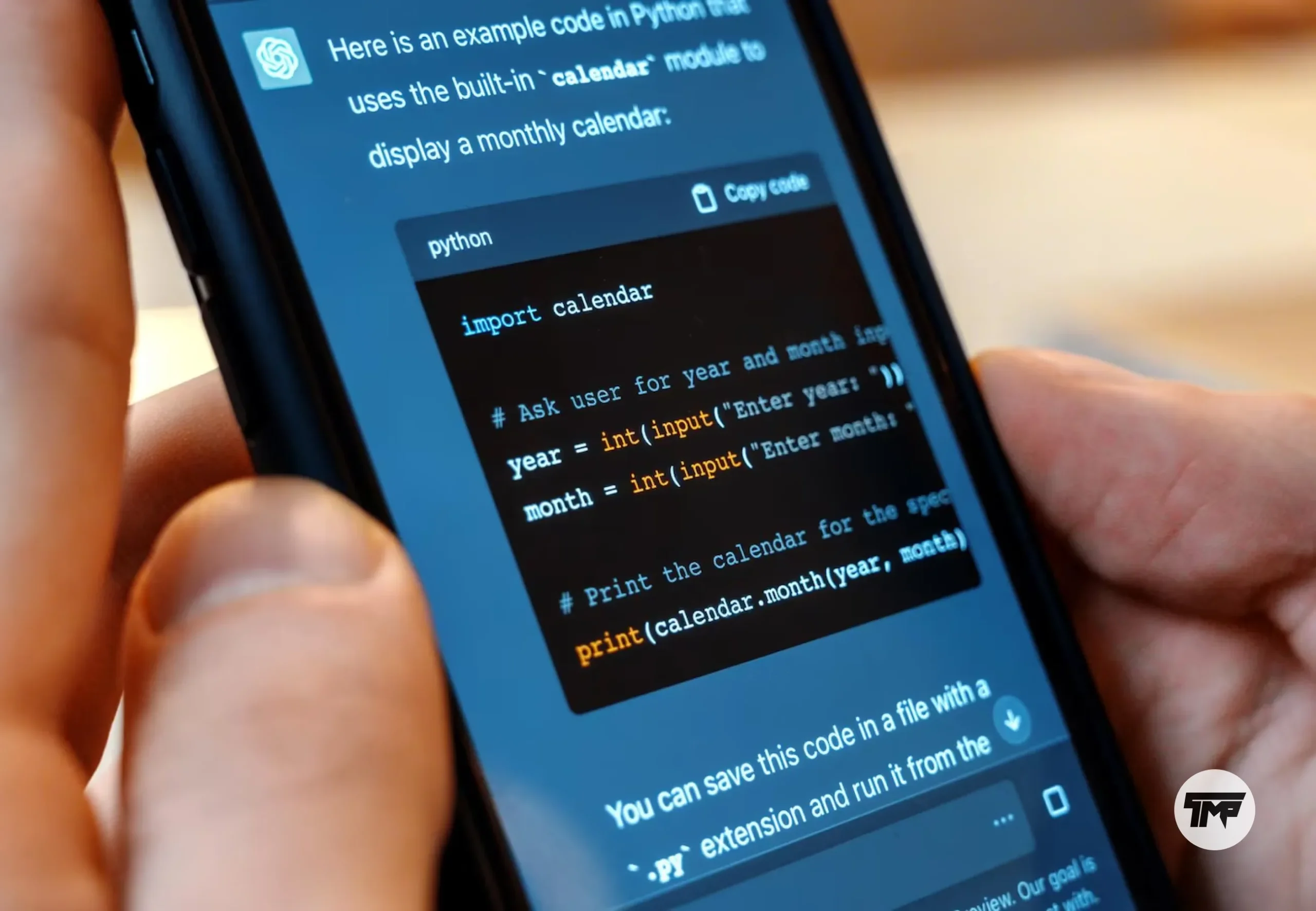
What if you could build a world-class app just by describing it? For a long time, software development had one strict rule. If you wanted to build something, you had to write code. You had to spend months learning logic and debugging errors. You had to ship features line by line. But that old rule is breaking fast. Today, a new model is rising to the top. AI-generated apps are changing the game.
We are moving into an era of prompt-based app development. Instead of writing complex pull requests, people are using simple English. You explain what you want, and the AI writes the code. Developers are becoming guides rather than just “grinders.” This does not mean developers are going away. It means they have a powerful new partner. This shift is reshaping how we turn big ideas into real products.
What Are AI-Generated Apps?
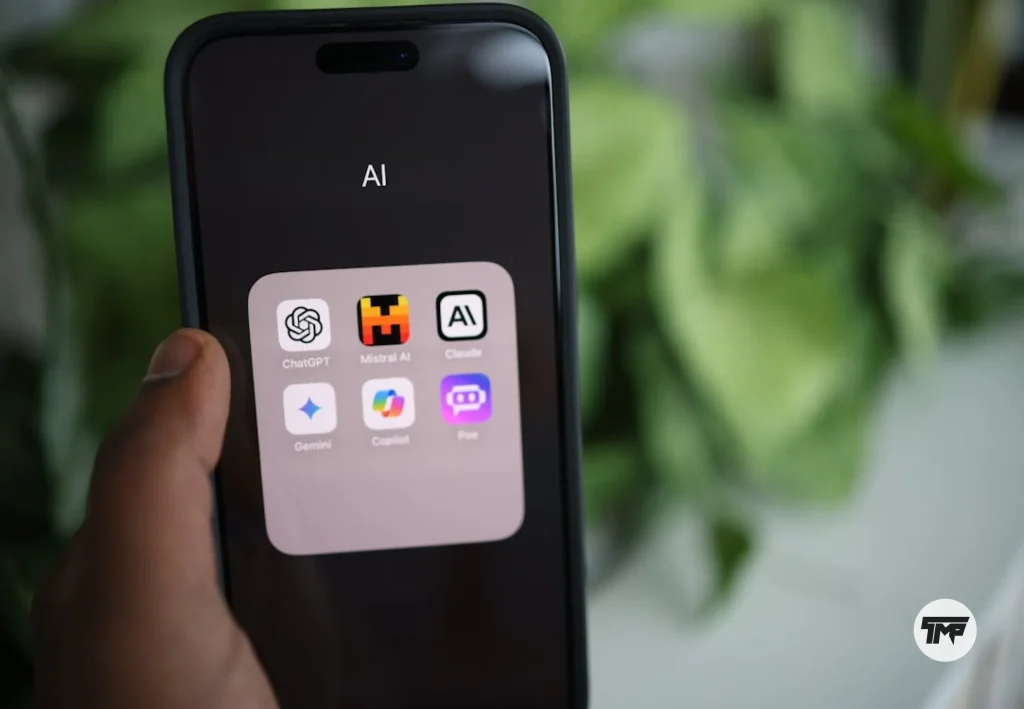
AI-generated apps are applications where the heavy lifting of coding is done by artificial intelligence. You provide natural language instructions, and the AI handles the syntax. In the past, you needed to know exactly how to write a function. Now, you just need to know how to describe what that function should do. This is a massive leap for AI app development.
It is important to see the difference between two main styles. First, there is AI-assisted coding. This is where a human writes most of the code, but an AI suggests the next few lines. It is like autocomplete for developers. Second, we have true AI-generated apps. Here, the AI builds entire components or full applications from a single prompt. You move away from asking, “How do I create this?”to “Here’s what I want the app to achieve.”
This new way of working is often called prompt-driven development. It allows anyone with a clear vision to start building. You don’t need to be a master of Python or Java to see your idea come to life. The AI acts as a bridge between your thoughts and the computer’s language. It makes app development without coding a real possibility for millions of people.
How Prompt-Based Development Works
The workflow for prompt-based app development is surprisingly simple. It starts with a clear prompt. You might say, “Create a task management app with a user login and daily reminders.” The AI then reads this and tries to understand your intent. It looks at the context and the structure needed to make that app work in the real world.
Once the AI understands, it starts the AI-first development workflow. It creates the user interface, server logic, and database structure. It connects the APIs so everything talks to each other correctly. But the process does not stop there. You then refine the app through iterations. If a button looks wrong or a feature is missing, you just adjust your prompt. You guide the AI by requesting UI changes like a blue button or a search bar.
Finally, a human enters the picture for the finish. You review the code, test the features, and deploy the app to the web. This software development automation saves hundreds of hours. It turns a process that used to take months into something that takes days. The impact on rapid MVP development is huge for new startups.
Why This Shift Is Happening Right Now
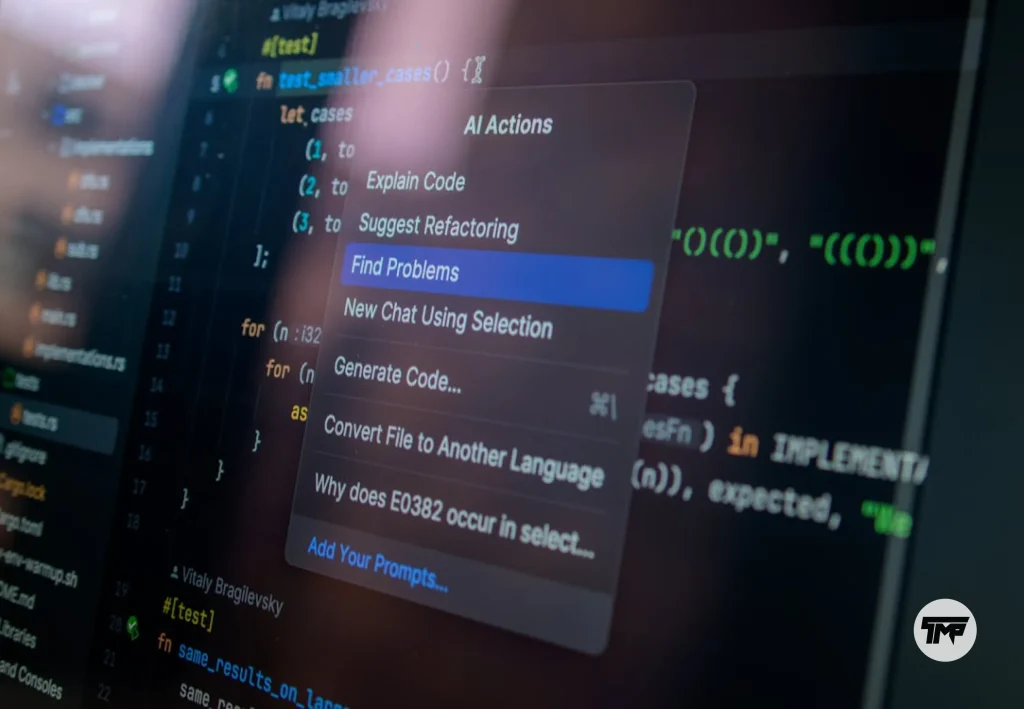
This change did not happen by accident. Several big things happened all at once. First, large language models became very smart. They learned how to recognize software patterns. Tools like GitHub Copilot showed that AI-generated code quality could actually be quite high. At the same time, no-code and low-code AI platforms became popular. People got used to building things without deep technical skills.
There is also a massive shortage of skilled developers right now. Companies need software, but they cannot find enough people to write it. AI software development fills this gap perfectly. It allows smaller teams to do much more. Startups can build their first version for much less money. Enterprises can automate boring tasks without hiring a huge agency. AI-generated apps sit right at the center of speed and low cost.
Tools Powering the AI Revolution
Many different AI coding tools are making this possible today. It isn’t just one magic app. It is a whole ecosystem of tools working together. Some tools focus on the logic and the backend. Others focus on the user interface. Together, they create a complete end-to-end AI experience. This reduces the friction that usually kills new projects.
- AI coding assistants: These tools write specific functions and logic based on your prompts.
- Visual builders: These use no-code and low-code AI to let you drag and drop elements while the AI writes the underlying code.
- UI generators: These convert a simple text description into a beautiful layout.
- Backend automation: These platforms handle the “scary” stuff like databases and user security automatically.
What AI Can Build Today (And What It Can’t)
AI-generated apps are great for building practical software. If you need a simple web app, a dashboard, or an admin panel, AI can do it easily. Most business needs fall into these categories. It can handle automation in app building for routine tasks. This lets humans focus on the unique parts of their business rather than the boring stuff.
However, AI still has its limits. It struggles with very complex system designs. It is not great at building security-critical apps like banking software without human eyes. It also lacks a deep understanding of long-term maintenance. This is exactly why humans and AI need to work together. You need a human to make sure the foundation is solid and safe for the long run.
Is Coding Dying?
The short answer is no. Coding is not dying; it is just evolving. We are seeing a move toward natural language programming. Developers are not being replaced by robots. Instead, their roles are shifting. The value is moving away from “typing” and moving toward “thinking.” A developer’s job is now to design the system and review the code written by AI.
In this new world, prompt engineering for apps is a vital skill. Developers must learn how to talk to the AI to get the best results. They ensure the app is secure and can handle many users. The developers who embrace these developer productivity tools will be the ones who lead the industry. They will build faster and better than ever before.
The Big Benefits of AI-Generated Apps
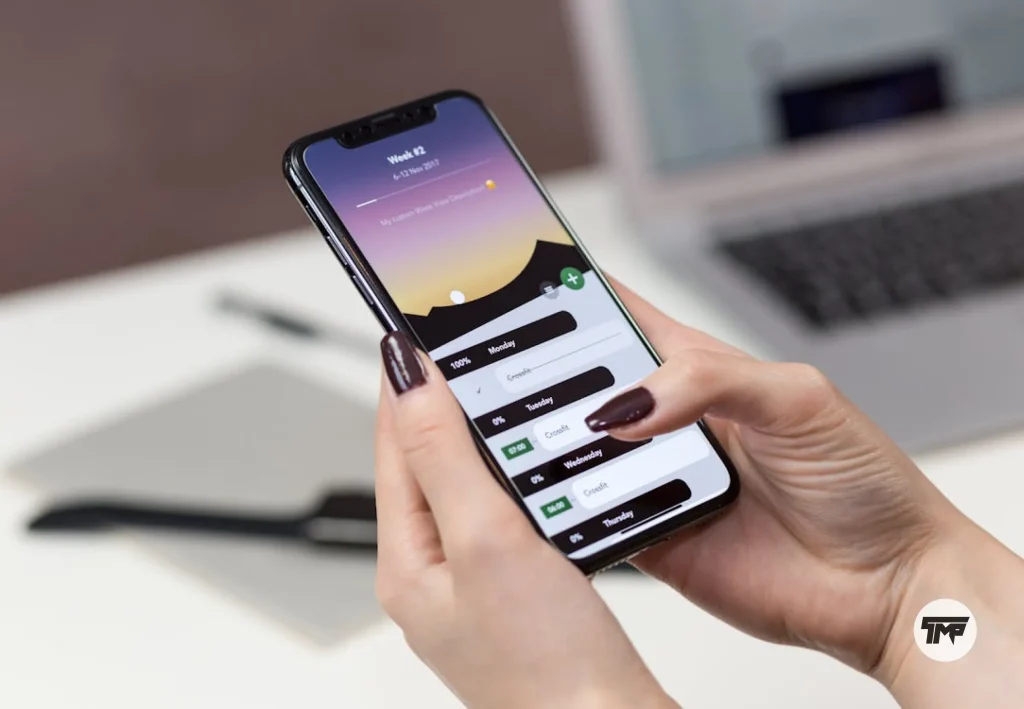
The benefits of using AI-generated apps are hard to ignore. They shorten the time it takes to go from an idea to a finished product. This speed is a massive advantage in a fast-paced world. You can test a new idea on Monday and have a working version by Wednesday. This makes the future of software development look very exciting for innovators.
- Lower Costs: Small teams can build what used to require a dozen people.
- Faster Prototyping: You can fail fast and learn quickly without spending a fortune.
- Democratization: People without a CS degree can now build their own tools and businesses.
- Better Iteration: If you want to change something, you just update the prompt and regenerate.
Risks and Challenges to Watch Out For
While AI app development is powerful, it is not perfect. You cannot just “set it and forget it.” Code quality can drop if no one is checking the output. There might be hidden security bugs that the AI missed. You also have to think about who owns the code that the AI wrote. These are all questions we are still answering as a society.
There is also a risk of relying too much on the machine. If a team doesn’t understand the code they are shipping, they won’t be able to fix it when things break. We must avoid “skill dilution.” The best way to use these tools is with a “human-in-the-loop” approach. Responsible use means checking every step of the process.
The Future (2026-2030)
As we look toward 2030, the way we build will be “hybrid.” We will see more “builders” who think in terms of systems rather than syntax. AI-generated apps will be the standard starting point for every new project. We will also see more rules and governance to keep things safe. The center of the development world will be the prompt, but the heart will still be human creativity.
The shift to AI-generated apps is already happening. It is changing who can build and how fast we can move. If you adapt to these new tools, you will lead the way. If you ignore them, you might get left behind. The door is open for anyone to become a creator.
Conclusion
The shift from coding to prompting is already happening. AI-generated apps are changing who builds software and how fast ideas move.
Those who adapt gain speed and leverage. Those who resist fall behind.
Learn how to build real apps using AI—without writing every line of code.
Explore our guide, course, or consultation and start building smarter.
FAQs
Are AI-generated apps production-ready?
Some are. Most still need testing and review.
Do developers still need coding skills?
Yes. Architecture and review still require expertise.
Is AI-generated code secure?
It can be, with audits and safeguards.
What skills matter most now?
System thinking, clear prompts, and review skills.
Will AI reduce developer jobs?
Roles will change, not disappear.



Leave a Reply