

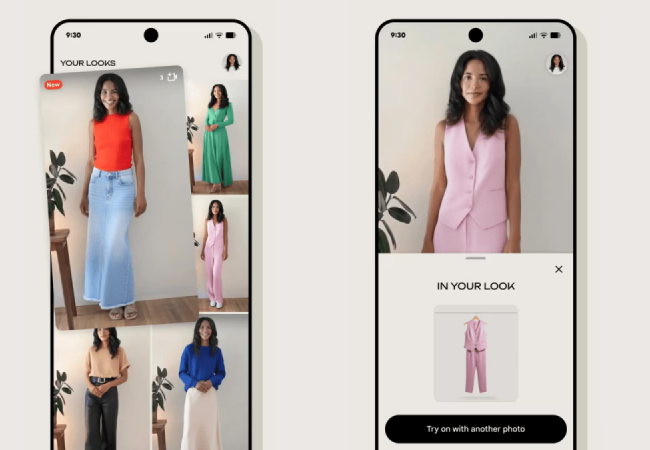
Have you ever seen an outfit online and wondered, “Would that actually look good on me?” We’ve all been there. Online shopping is great, but the guesswork can be a real pain.
Well, Google is changing the game. They just dropped a massive update for their Google AI try-on app Doppl.
This isn’t just a simple update. It’s a complete shift in how we find and buy clothes. The app has added a new shoppable discovery feed. Imagine scrolling through a feed like TikTok, but every single item can be virtually tried on your own body with a single tap.
In this guide, I’ll break down how this virtual try-on app works. We will look at the new features, the tech behind it, and why this is the future of AI-powered shopping.
What Is Google Doppl?
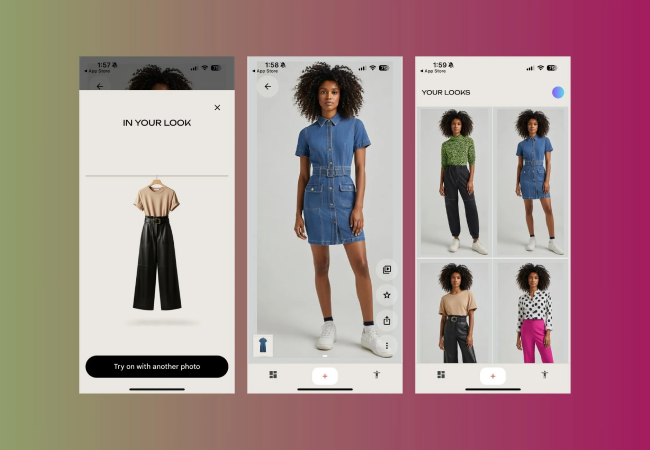
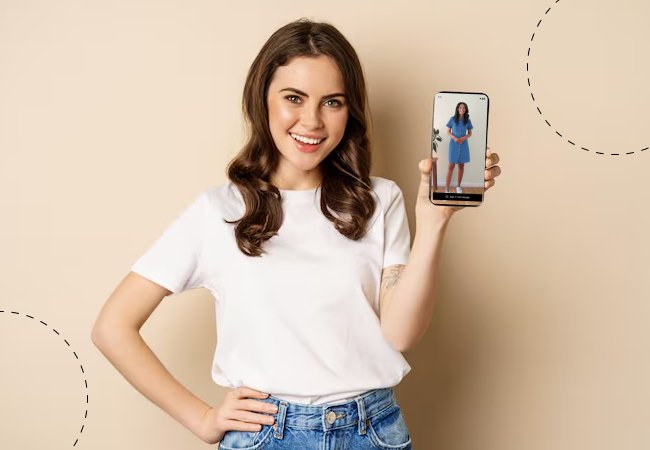
At its heart, Google AI try-on app Doppl is an experimental mobile app from Google Labs. The app employs AI and AR to provide a virtual try-on experience, eliminating the need for a fitting room.
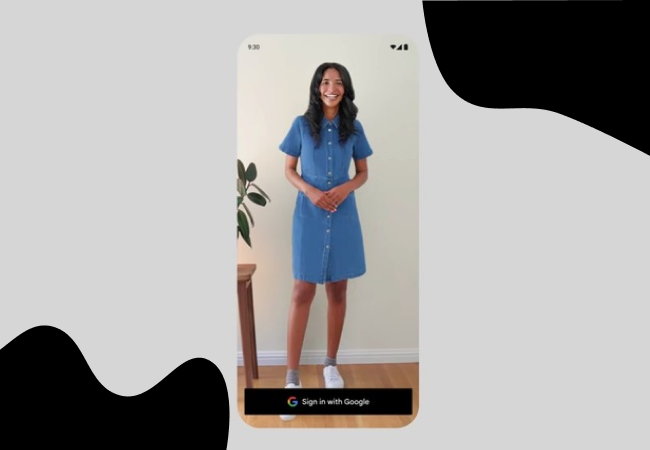
Unlike older tools that show clothes on random models, Doppl uses you. You upload a full-body photo, and the AI creates a digital version of your body. From there, you can overlay almost any piece of clothing to see how it drapes and fits.
The app is currently a favorite among tech-savvy shoppers. It bridges the gap between seeing an item and knowing if it fits your style. Because it’s a Google AR app, it leverages the massive power of Google’s AI to make the experience feel incredibly real.
The New Shoppable Discovery Feed: What’s Different?
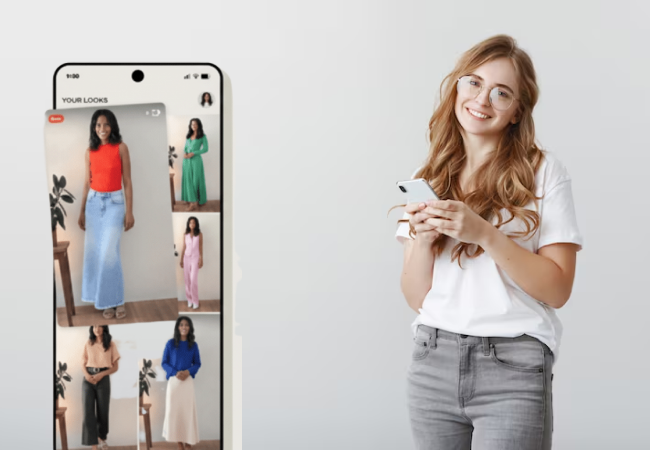
The biggest news is the shoppable discovery feed. Before this update, you had to find your own images to try on. Now, the app gives you a personalized stream of ideas.
This feed is interactive. It’s powered by an AI recommendation engine that learns what you like. As you scroll, you’ll see AI-powered product suggestions tailored just for you.
The best part? It’s all “shoppable.” If you see a jacket you love, you don’t have to go searching for it on another site. You can try it on instantly in the app. If it looks good, there is a direct link to buy it from the merchant. This creates a seamless AR shopping experience that moves from discovery to purchase in seconds.
How the Feature Works: A Step-by-Step Guide
Using the new feed is designed to be effortless. Here is the basic flow:
- Open the App: Access the shoppable discovery feed from the home screen.
- Scroll and Discover: Browse through the personalized product feed curated by AI.
- Tap to Try: Find something you like? Tap it. The real-time virtual try-on overlays the item on your digital avatar.
- Customize: You can often adjust styles or colors to see different versions.
- Direct Purchase: If you’re happy, use the merchant link to complete your buy.
The system is smart. It doesn’t just show static images. It uses try-on technology for e-commerce to generate short, AI-driven videos. These videos show the fabric moving as if you were walking or turning. This “motion” is a huge leap forward for mobile AR shopping.
Benefits for Users: Why You’ll Love It
The shoppable discovery feed isn’t just cool tech; it’s a better way to shop. Here are the main perks for users:
- Ultimate Convenience: You can shop 24/7 from your couch. No more crowded malls or messy dressing rooms.
- True Personalization: Thanks to AI personalization in e-commerce, the app gets better at guessing your style every time you use it.
- Confidence in Buying: Seeing an item on your body reduces “buyer’s remorse.” You know it looks good before you hit the buy button.
- Interactive Fun: It feels more like a game than a chore. You can experiment with bold styles you might be too shy to try in person.
This is a perfect example of online shopping with AR done right. It saves time and makes the whole process much more engaging.
Benefits for Brands and Retailers
Retailers are also winning with this Doppl app update. In the past, high return rates were a nightmare for online fashion. People would buy three sizes and return two.
Augmented reality shopping app tech like Doppl helps solve this. When users have a better idea of the fit, they return fewer items. This saves brands millions in shipping and restocking costs.
Additionally, the shoppable discovery feed acts as a high-visibility channel. Brands can get their products in front of users who are already in a “buying” mood. The analytics insights are also huge. Retailers can see which items people are trying on the most, even if they don’t buy them yet. This helps with better inventory planning and smarter marketing.
The Technology Behind Doppl
So, how does Google pull this off? It’s a mix of three powerful pieces of tech.
First, you have the AI algorithms. These act as the brain. They handle the AI recommendation engine and the complex task of “mapping” a 2D garment onto a 3D body.
Second is the AR technology. This is what makes the visual part happen. It ensures the lighting and shadows look natural on the digital version of you.
Finally, there is the Google ecosystem integration. Doppl works with the Google Shopping Graph. This is a massive database of billions of products. Because of this, the AR-powered product discovery can tap into a nearly endless catalog of real-world items.
Market Implications: Changing the Way We Shop
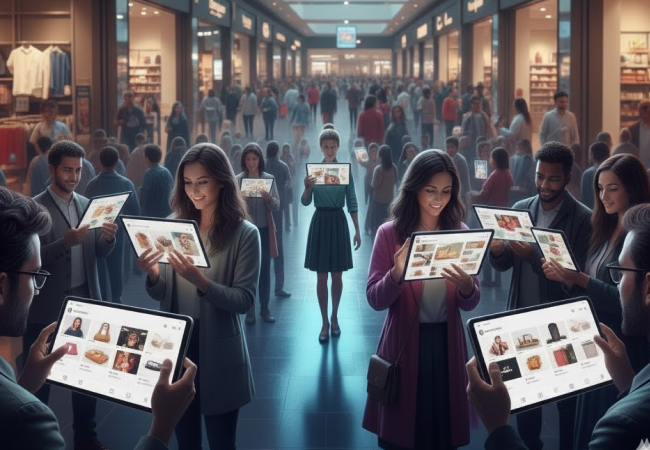
This update puts Google in a strong spot. They are now competing directly with platforms like Snap AR and even TikTok. By merging social-style scrolling with AI-powered shopping, they are creating a new category of “discovery commerce.”
We are seeing a major e-commerce innovation with AI. In the future, every fashion brand will likely need some form of virtual product try-on. If a customer can “wear” your clothes through an app, they are much more likely to choose you over a brand that only shows a flat photo.
Areas That Need Improvement
Even though the Google AI try-on app Doppl is amazing, it is still an experiment. Some elements need further development:
- Sizing Accuracy: While it looks great, it doesn’t always account for exact body measurements. It’s more about “look” than “size.”
- Catalog Depth: More brand partnerships are needed to make the feed feel truly endless.
- Device Performance: This is heavy tech. It can sometimes lag on older smartphones.
- Privacy Concerns: Users need to feel 100% safe uploading full-body photos. Clearer data policies are a must.
- Global Access: Right now, it’s mostly limited to certain regions like the U.S.
Early Feedback and Success Stories
Early reports from brands are positive. Users are spending more time in the app than traditional shopping sites. The user engagement with AR shopping is much higher than standard display ads.
Some early testers have noted that the personalized product feed feels “scarily accurate” to their tastes. This suggests that Google’s AI-driven shopping personalization is already working at a high level.
Conclusion
The Google AI try-on app Doppl and its new shoppable discovery feed are a massive step for the future. By combining discovery, virtual try-on, and easy buying, Google has made a truly “all-in-one” experience.
This isn’t just a trend; it’s the next chapter of mobile AR commerce. Whether you are a shopper looking for the perfect fit or a brand looking to boost sales, Doppl is a tool you need to watch. The line between the digital and physical wardrobe is officially starting to blur.
FAQs
How does Doppl’s AI try-on work?
It uses AI to create a digital version of you from a photo. Then, it overlays 3D models of clothes to show how they move and look on your body.
Which products can I find in the shoppable feed?
Right now, it focuses on fashion and accessories. It pulls from a wide range of retailers through Google’s shopping network.
Is Doppl available everywhere?
Currently, it is an experimental launch available in select regions like the U.S. for users 18 and older.
Can any brand join the Doppl feed?
Retailers can integrate their catalogs through Google Merchant Center to be part of the product discovery in AR apps.
Does it show my real size?
It gives a visual representation of how a style looks. However, it is not a 100% accurate sizing tool yet.

Leave a Reply