

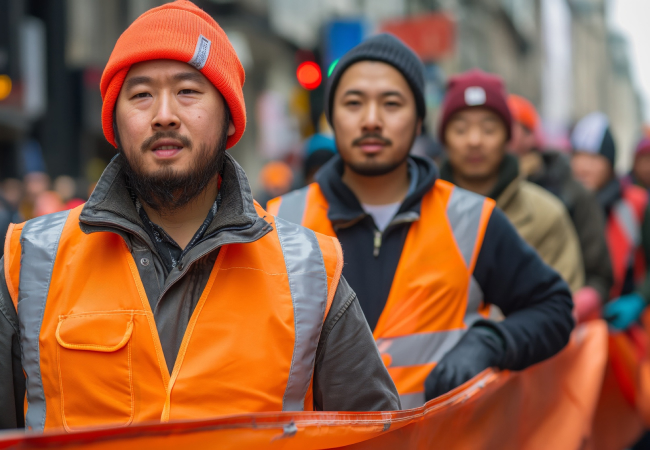
India’s work culture is changing fast. Flexible jobs. App-based work. On-demand services.
And at the centre of this shift are India’s gig workers — delivery partners, drivers, freelancers, designers, creators, and thousands more.
But here’s the big question:
Where do gig workers stand when it comes to legal protection?

India’s new labour codes aim to answer that. While the changes are still not fully rolled out nationwide, they lay the foundation for a massive shift in how gig and platform workers will be treated.
In this guide, you’ll learn what the new labour codes are, what benefits gig workers might get, how companies will be impacted, and why this matters for India’s future workforce.
Let’s walk through it — in simple language.
What Are India’s New Labour Codes?
India’s labour laws were old. Very old. Many of them dated back to the 1940s and 1950s. They didn’t match today’s digital economy. They didn’t address app-based workers. And they definitely didn’t consider the rise of gig platforms like Swiggy, Zomato, Uber, Ola, Urban Company, Upwork, and Fiverr.
So the government introduced four new labour codes, combining 29 older laws:
- Wage Code, 2019
- Social Security Code, 2020
- Occupational Safety, Health and Working Conditions Code (OSH), 2020
- Industrial Relations Code, 2020
For India’s gig workers, the most important one is the Social Security Code.
Why Are the New Labour Codes Important for Gig Workers?

Because gig work is booming. India has almost 8 million gig workers, and this number may cross 23.5 million by 2030.
But until now, gig workers had:
- No PF
- No ESI
- No medical insurance
- No job stability
- No predictable income
- No paid leave
- No retirement benefits
Most gig workers were classified as “partners” or “independent contractors,” not employees. So they were outside the traditional labour law system. The new codes try to fix this gap.
For the first time, India’s gig workers are mentioned in a central law. That alone is a significant shift.
What Does the Social Security Code Say About Gig Workers?

The Social Security Code introduces two major categories:
- Gig workers
- Platform workers
And it says they should receive Social Security benefits.
Here’s what it proposes:
1. A Social Security Fund for Gig Workers
Platforms like:
- Zomato
- Swiggy
- Uber
- Ola
- Amazon
- Urban Company
Will need to contribute 1–2% of their annual turnover to a special Social Security Fund.
This fund will support gig workers with:
- Accident insurance
- Life insurance
- Health insurance
- Maternity benefits
- Old-age protection
- Crèche facilities
- Emergency support
This is something gig workers never had before.
2. Registration on a Central Portal
Every gig worker can register on a government portal using:
- Aadhaar
- Mobile number
- Basic work details
Once registered, they become eligible for government schemes. This is important because India’s gig workers previously had no official recognition.
3. Access to Existing Government Schemes
Once enrolled, gig workers may access:
- PMSYM (Pension Scheme)
- PMJJBY (Life Insurance)
- PMJAY (Ayushman Bharat health cover)
- PMSBY (Accident Insurance)
This means gig workers get formal protection like other sectors.
4. Aggregators Become Responsible
Platforms now have some responsibility toward the people who work for them. This is a significant shift in mindset in the gig economy.
How Will These Changes Help India’s Gig Workers?

Let’s break it down into simple benefits.
1. Financial Safety Net
Accident insurance is a huge win.
Delivery workers and drivers often face risky situations. A financial backup can reduce stress and provide security.
2. Health Protection
Medical bills are rising every year. With insurance support, gig workers can get treated without worrying about huge expenses.
3. Better Income Stability
While the codes don’t force platforms to offer fixed salaries, the social security fund adds a layer of stability.
Benefits = lower long-term financial pressure.
4. Retirement Support
Pension contributions mean gig workers can build a secure future — something they couldn’t do earlier.
5. Recognition as a Workforce
For years, gig workers were invisible in the legal system. With the new codes, India finally acknowledges gig work as a real form of labour. This recognition may lead to more benefits in the future.
How Will the New Labour Codes Impact Gig Platforms?
Platforms will now lose some flexibility and face more responsibilities. Here’s what changes:
1. Extra Costs
Companies may need to pay 1–2% of their turnover to the Social Security Fund. Even a small percentage becomes significant for big platforms.
2. Need for Better Compliance
Every platform will need systems to:
- Track gig workers
- Register them on portals
- Maintain documentation
- Pay required contributions
This increases operational overhead.
3. More Transparent Contracts
The blurred lines between employee and gig worker roles need clarity.
Contracts may need to be updated to reflect rights and responsibilities.
4. Impact on Pricing
Platforms might:
- Charge customers more
- Reduce incentives
- Adjust commission rates
The gig economy may look slightly different in the next few years.
Most enormous Benefits: Explained Simply
Here’s a quick, easy-to-scan view:
Accident insurance :Protects workers who face risks daily.
Health coverage: Reduces out-of-pocket medical expenses.
Pension support: Helps build savings for the future.
Life insurance :Supports families in case of emergencies.
Formal recognition: Makes India’s gig workers part of the legal workforce.
Access to government welfare programs: Creates equal opportunities.
What India’s Gig Workers Need to Know Right Now
Even though the codes are passed, they are not fully implemented yet. States need to frame rules, and platforms need time to adjust.
But gig workers should start preparing now.
Step 1: Register on the official worker database
The government periodically opens portals for gig and platform workers.
Step 2: Keep your documents ready
You’ll need:
- Aadhaar
- Bank account
- Phone number
- Platform details
Step 3: Track your platform contributions
Once the Social Security Fund becomes active, platforms will begin contributing.
Step 4: Understand your rights
This is the most crucial part. Gig workers often don’t know what benefits they qualify for. Understanding your rights gives you more power.
What Challenges Still Exist?
The new codes bring hope, but there are challenges too:
1. Not yet fully implemented
Many states are still preparing rules. The rollout is slow.
2. Platforms may resist
Some companies might try to avoid extra costs by:
- Reducing incentives
- Increasing delivery targets
- Creating stricter contract terms
3. Awareness gap
Many gig workers don’t know about the new rights. Without awareness, the benefits won’t reach them.
4. No guarantee of minimum wage
Gig workers still won’t get:
- A fixed salary
- Minimum wage protection
- Paid leave
So income insecurity remains a concern.
Long-Term Impact: What Will the Future Look Like?
Here’s what experts predict:
1. More formal protection
The Social Security Fund is just the start. Future updates may add stronger protections.
2. Better working conditions
Safety rules and health standards may become mandatory.
3. More negotiation power
Once gig workers get recognised, they can collectively push for better terms.
4. Growth of the gig economy
With better protections, more Indians may choose flexible gig work. Meaning the gig economy will continue expanding.
Why This Matters for India’s Economy

India’s gig workers are the backbone of the digital economy.
They power:
- Food delivery
- E-commerce logistics
- Cab services
- Home services
- Freelance tech work
- Online design and content jobs
Protecting them means strengthening the workforce that keeps India’s digital economy running. When gig workers feel secure, they deliver better services — and that fuels growth.
Final Thoughts
India’s new labour codes are a big step toward supporting millions of gig and platform workers.
They promise social security, protection, and recognition — things gig workers have waited for years.
Are they perfect?
No.
Are they a significant improvement?
Absolutely.
As the codes are fully implemented, we may see a more balanced gig economy—one where businesses grow, and workers receive fair protection.
One thing is clear:
The future of work in India is changing. And India’s gig workers are finally on the map.





Leave a Reply