

Introduction
Relationships today do not look the way they did even five years ago.
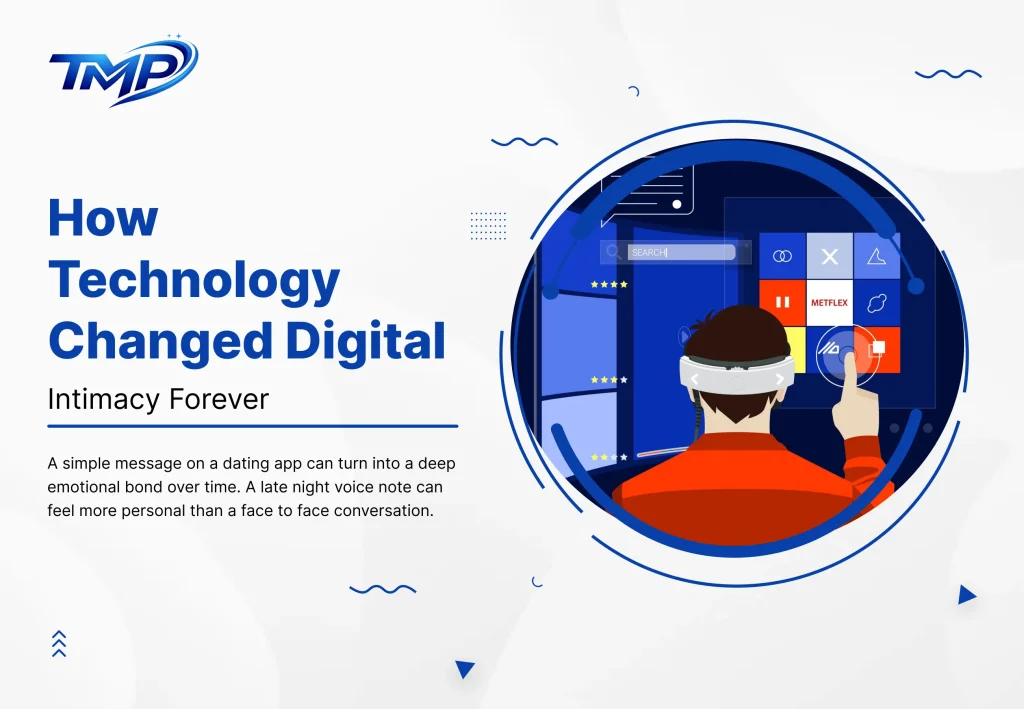
A simple message on a dating app can turn into a deep emotional bond over time. A late night voice note can feel more personal than a face to face conversation. Technology has quietly but completely changed how we connect with each other, how we express what we feel, and how we experience closeness with another person.
But is this change good, bad, or something more complicated than either of those answers?
This guide explores how technology has reshaped digital intimacy, what it means for how we connect today, and what the future of human relationships might look like.
What Is Digital Intimacy
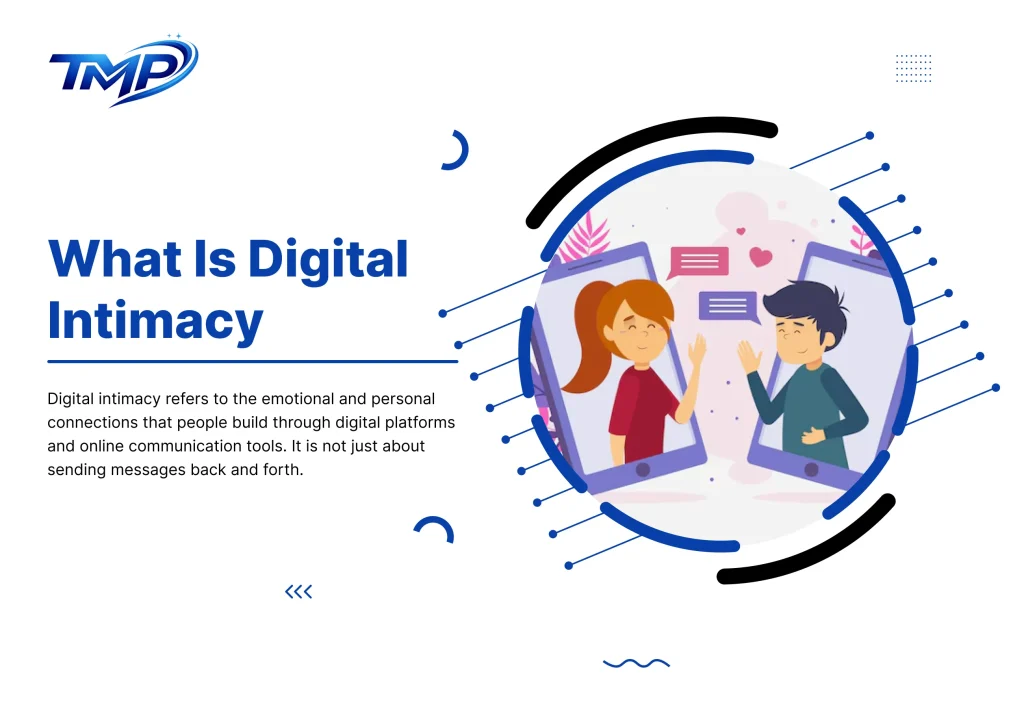
Digital intimacy refers to the emotional and personal connections that people build through digital platforms and online communication tools. It is not just about sending messages back and forth. It is about how we share feelings, build trust over time, and create genuine bonds with other people without ever being physically present in the same room.
Digital intimacy shows up in many forms across everyday life. It lives in long conversations on messaging apps that stretch past midnight. It exists in the vulnerability someone shows when they share something personal on social media. It is present in video calls between people separated by thousands of miles who still manage to feel close to each other. Understanding what digital intimacy really means is the first step to using technology in ways that genuinely strengthen our relationships rather than quietly weaken them.
How Technology and Relationships Changed Together
Technology and relationships have always influenced each other, but the pace of that influence has accelerated enormously over the past decade. Communication became faster, easier, and available around the clock. But speed and ease did not automatically mean depth or quality.
Today, conversations happen instantly across any distance. Relationships often start entirely online before two people ever meet in person. Emotions get expressed through carefully chosen words, voice messages, and even the specific emoji someone decides to send at the end of a sentence. This shift has made human connection far more accessible to more people than ever before, but it has also made digital communication in relationships more layered and sometimes more confusing than previous generations ever had to navigate.
Dating Apps and Modern Relationships
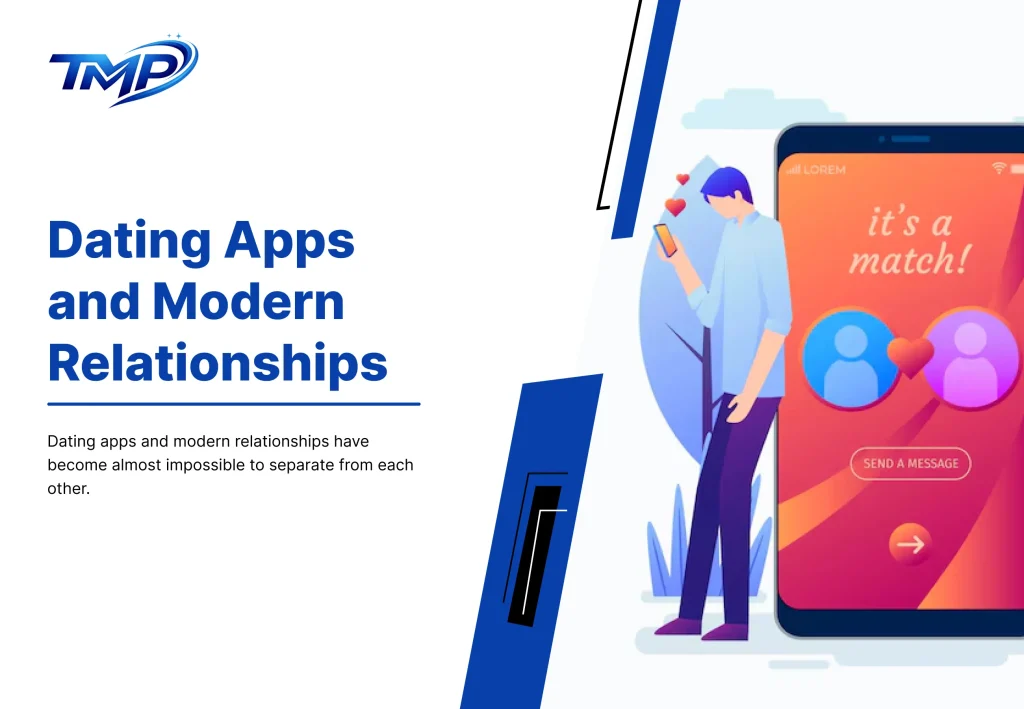
Dating apps and modern relationships have become almost impossible to separate from each other. Where people once relied on introductions through friends, chance encounters, or community events, millions of people now begin their romantic lives through a profile, a photo, and a swipe in one direction or another.
Dating apps and modern relationships changed several things at once. Connections happen faster than they ever did before. The number of potential partners a person can encounter in a single evening is far greater than anything previous generations experienced. Starting a conversation requires far less courage than walking across a room to introduce yourself to a stranger.
The challenge that came with all of this is real though. When options feel limitless, attention can become shorter. People sometimes move on before anything meaningful has had a chance to develop. The very features that make dating apps feel exciting can also make it harder to build the kind of slow, patient emotional depth that lasting relationships tend to require.
Social Media and Relationships
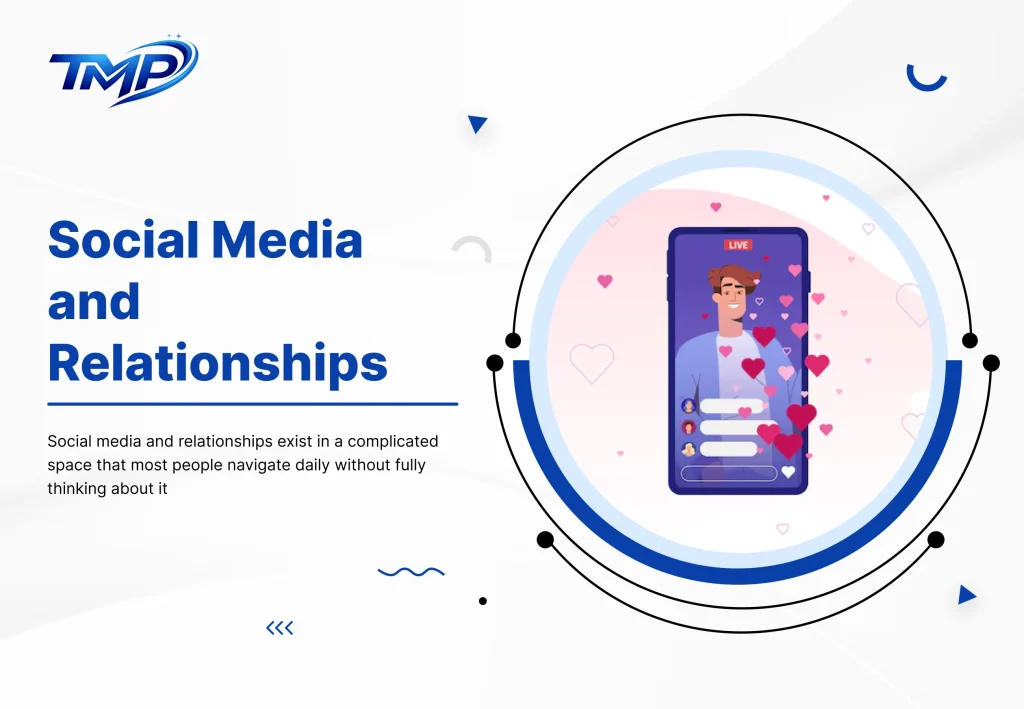
Social media and relationships exist in a complicated space that most people navigate daily without fully thinking about it. Social platforms have become the primary place where many people express their emotional lives, share their joys and frustrations, and seek connection from their wider community.
The way social media and relationships intersect has created something genuinely new in human history. Relationships are now often shared publicly, documented through posts and photos, and validated through the responses of other people. External opinions and social pressure can shape how a relationship is perceived, both by the people inside it and by everyone watching from the outside. This blending of public and private life is one of the most significant shifts that social media and relationships have produced, and it comes with both real benefits and real costs.
The Psychology Behind Digital Communication in Relationships
Digital communication in relationships works on the human brain and emotions in ways that feel very real, because they are real. Words typed on a screen can create genuine emotional impact. Consistent communication over time builds real attachment between people. Virtual interactions trigger the same feelings of warmth, excitement, and care that in person interactions produce.
The complexity is that digital communication in relationships also removes important signals that human beings evolved to read. Tone of voice, facial expression, body language, and physical presence all carry enormous emotional information that text simply cannot replicate. Misunderstandings become more common. Overthinking what a message means becomes almost automatic for many people. Emotional confusion can build quietly beneath what looks like a perfectly normal online conversation.
Impact of Technology on Intimacy in Long Distance Relationships
One of the areas where the positive impact of technology on intimacy is most obvious is in long distance relationships. Technology has made geographic distance far less of a barrier to maintaining a close and emotionally connected relationship than it was for any previous generation.
Couples separated by cities or entire continents can video call daily and share the small moments of ordinary life in real time. Photos, voice messages, and shared playlists create a sense of togetherness that would have been impossible to achieve through handwritten letters alone. The impact of technology on intimacy in this context has been genuinely positive for millions of people around the world.
Physical absence still matters in ways that technology cannot fully solve though. Virtual relationships can be deeply meaningful and emotionally sustaining, but they work best when both people understand what digital connection can offer and what it cannot replace.
The Online Relationships Impact Nobody Talks About
The online relationships impact on mental health is a conversation that deserves more honest attention than it usually receives. Constant digital connectivity creates real pressure. Seeing curated versions of other people’s relationships on social media can trigger comparison and insecurity. The experience of being suddenly cut off by someone without explanation, a behavior commonly called ghosting, can cause genuine emotional pain that people sometimes dismiss because the relationship existed online.
Emotional dependency on digital validation is another online relationships impact that affects more people than admit it openly. When a person’s sense of being valued becomes tied to response times, read receipts, and the frequency of messages, their emotional wellbeing becomes fragile in ways that are difficult to manage.
How AI Is Changing Virtual Relationships
Virtual relationships are entering a new chapter with the arrival of AI driven companionship tools and increasingly sophisticated digital interaction. AI chat companions now exist that are designed specifically to provide emotional support, conversation, and a sense of connection. Personalized recommendations shape who we encounter online and what kind of interactions we have with them.
What this means for virtual relationships going forward is still unfolding. Some people find genuine comfort and support in AI driven interaction, particularly those who struggle with social anxiety or isolation. The deeper question that researchers and ethicists are wrestling with is what happens when the boundary between genuine human connection and simulated connection becomes harder to see clearly.
How to Build Healthy Digital Intimacy
Building genuine digital intimacy that is healthy and sustainable comes down to a few honest practices that anyone can apply regardless of which platforms they use.
Be honest and direct in digital communication rather than hiding behind the distance that screens can create. Avoid becoming so dependent on texting and messaging that you lose the ability to be fully present with people in real life. Set clear limits around how much time you spend online so that your digital life enhances your real life rather than replacing it. Prioritize in person connection whenever it is possible, because physical presence carries emotional weight that no technology has yet been able to fully recreate. Respect the privacy of the people you are in relationship with, both online and off.
The Future of Digital Intimacy
The future of digital intimacy will almost certainly involve more AI driven interaction, experiments with virtual reality as a space for emotional connection, and even deeper integration of technology into the most personal parts of human life. The central challenge will be preserving authenticity as these tools become more sophisticated and more persuasive.
The need for real human connection will not change. Technology will keep evolving around that need, but the need itself is not going anywhere.
Final Thoughts
Technology has not destroyed intimacy. It has transformed what intimacy looks like and where it happens. The way we connect has changed in ways that would have been hard to imagine a generation ago, but the fundamental human need to feel known, valued, and close to another person remains exactly the same.
Digital intimacy can be genuinely meaningful. It can carry people through distance, difficulty, and loneliness in ways that matter deeply. But it works best when we approach it with intention, honesty, and a clear understanding of both what technology makes possible and what it cannot provide on its own.
At the end of the day, technology is just a tool. What defines the quality of our relationships is still, and will always be, how thoughtfully and honestly we choose to use it.



Leave a Reply