

Introduction
Think about this for a moment. You open your phone and see a video of someone you know — a politician, a celebrity, maybe even a friend — saying something shocking. It looks real. It sounds real. Every expression, every pause, every word feels completely genuine.
But it never happened.
This is the world deepfakes have created. And it is not some distant sci-fi scenario anymore. It is happening right now, in 2026, on platforms you use every single day. As artificial intelligence grows smarter and more accessible, the line between what is real and what is fabricated is getting harder to see.
So here is the question worth asking: Are we still in control of our digital identity?
What is Deepfake Technology?
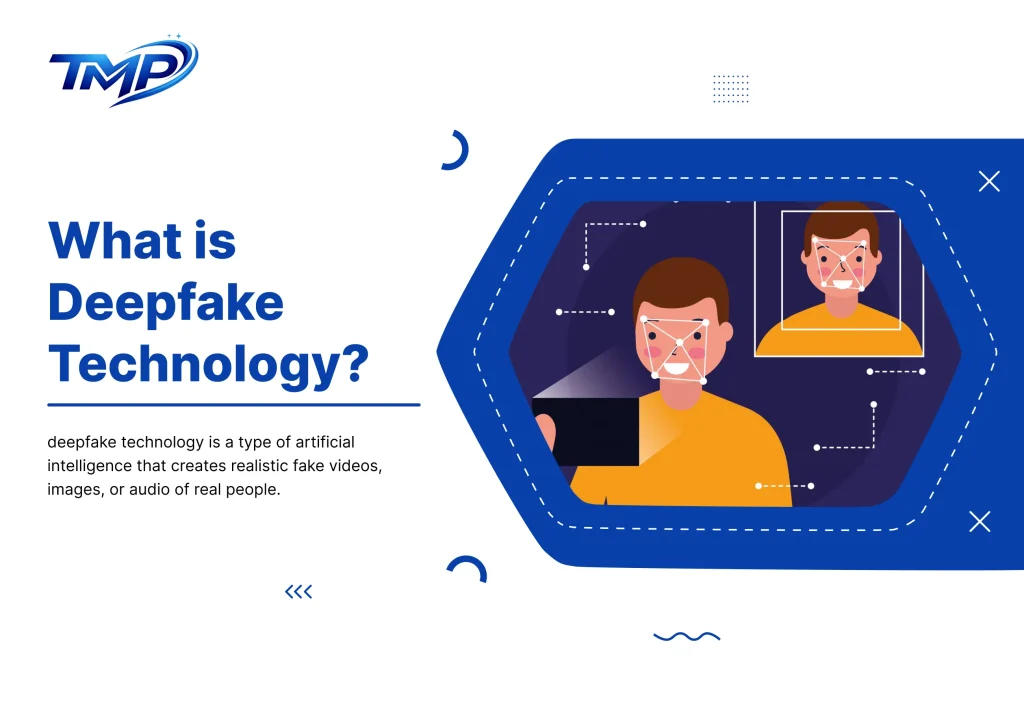
In simple terms, deepfake technology is a type of artificial intelligence that creates realistic fake videos, images, or audio of real people. The word itself comes from “deep learning” — a type of AI — and “fake.” Put them together and you get content that looks completely authentic but is entirely manufactured.
AI deepfake technology explained at its core: it uses machine learning to study how a person looks, moves, and sounds — and then recreates that person doing or saying things they never actually did. The results can be frighteningly convincing. Even trained eyes sometimes struggle to spot them.
What makes deepfake technology especially significant today is that it is no longer limited to tech experts or Hollywood studios. Free and low-cost tools are now available online that allow almost anyone to create deepfake content with a basic smartphone and a few photos. That accessibility is exactly what makes this topic so urgent.
How Deepfake Technology Works
You don’t need any programming knowledge to understand how it works. The process follows a fairly straightforward path, even if the technology behind it is complex.
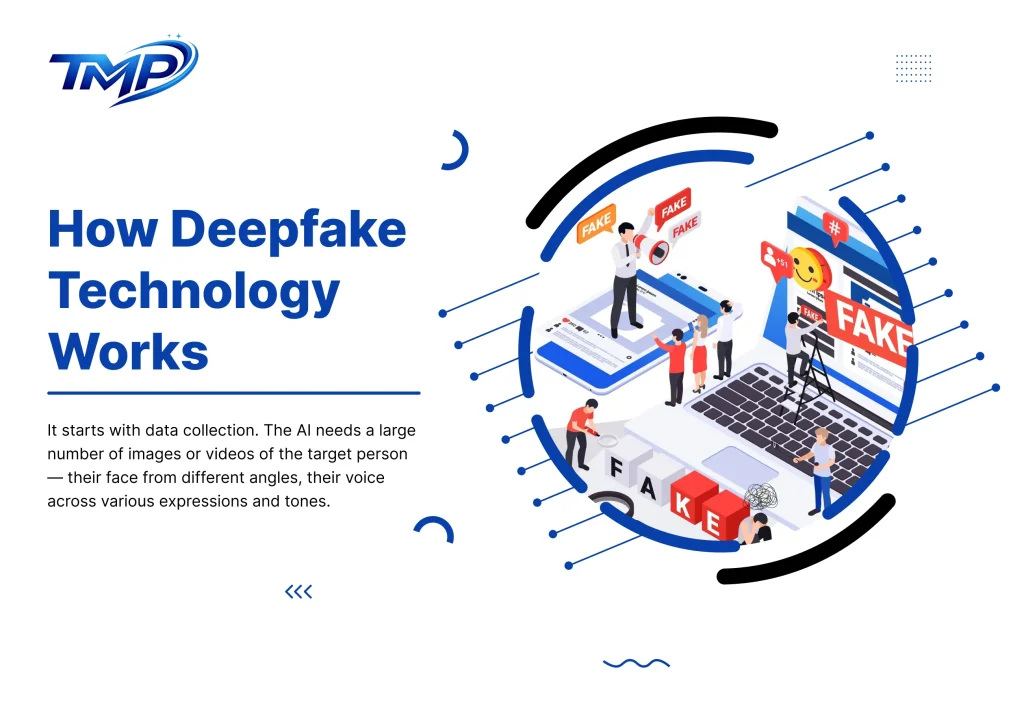
It starts with data collection. The AI needs a large number of images or videos of the target person — their face from different angles, their voice across various expressions and tones. Social media has made this easier than ever. Most public figures have thousands of photos and video clips freely available online.
Next comes AI training. The system uses something called a neural network — basically a program that learns patterns the same way a human brain does — to study and map the person’s facial structure, voice patterns, and movements. The more data it has, the more realistic the output becomes.
Then comes the manipulation stage. The AI replaces or alters the face, voice, or body in the original content, blending it so smoothly that the joins are nearly invisible. Finally, the output is generated — a video, audio clip, or image that looks and feels completely real.
The entire process, which once took weeks and required expensive hardware, can now be done in hours on a consumer laptop. That change in speed and accessibility is at the heart of why deepfake technology and online privacy have become so deeply connected.
Types of Deepfakes
Video Deepfakes
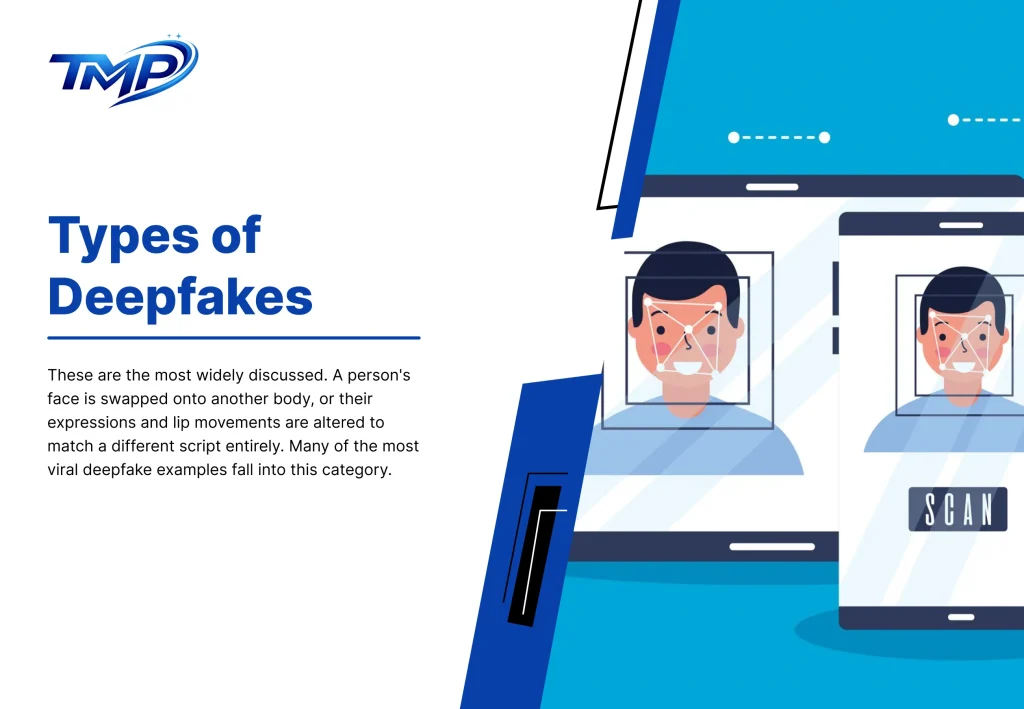
These are the most widely discussed. A person’s face is swapped onto another body, or their expressions and lip movements are altered to match a different script entirely. Many of the most viral deepfake examples fall into this category.
Audio Deepfakes
Voice cloning technology can now replicate a person’s voice with just a few minutes of audio sample. Deepfake misuse cases involving cloned voices include scam calls where fraudsters impersonate family members or company executives to request urgent money transfers. These are already happening at scale.
Image Deepfakes
AI-generated images of real people — placed in false contexts, manipulated to show them somewhere they were never present, or altered to change their appearance — fall into this category. These are particularly common in misinformation campaigns on social media.
The Rise of Deepfakes in the Digital World
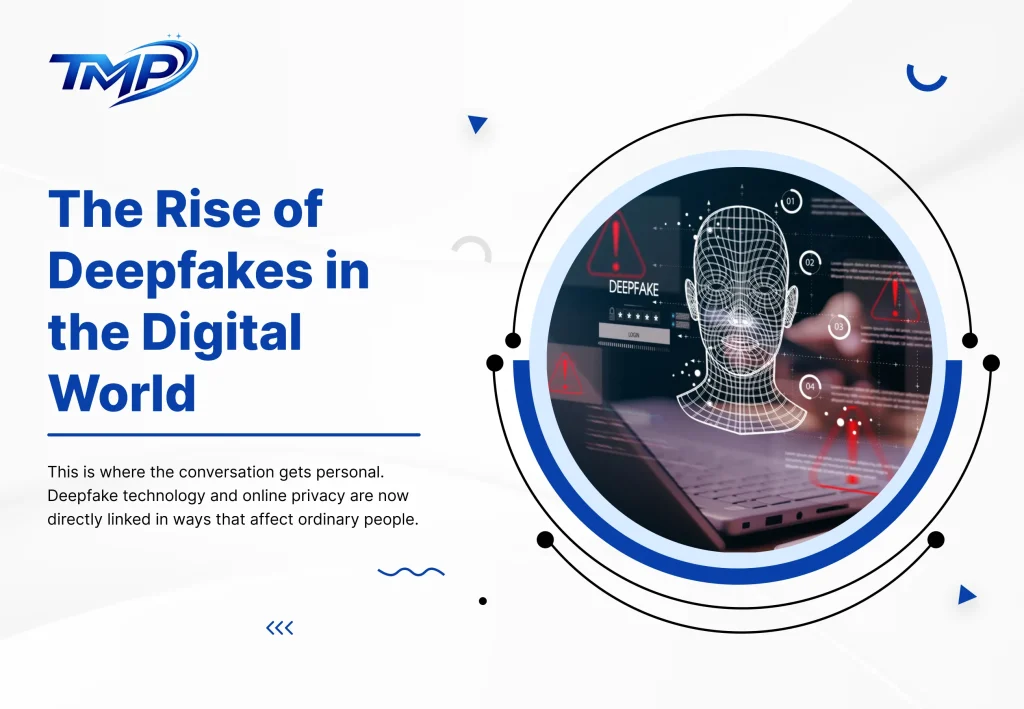
Deepfake technology has grown at a pace that few people anticipated even five years ago. Several factors have contributed to this rapid rise.
The first is the explosion of AI tools available to ordinary users. Platforms and apps that once required deep technical knowledge are now as simple to use as a photo filter. The barrier to entry has dropped dramatically, which means the volume of deepfake content being created has risen equally fast.
The second factor is social media. Platforms are filled with personal content — photos, videos, voice recordings — that provide the raw material AI systems need to create convincing fakes. Every selfie you post, every video you share, every voice note you send adds to the pool of data that could theoretically be used without your knowledge.
The third factor is demand. Deepfakes have found real applications in entertainment, marketing, and even education — which means investment in the technology continues to grow. Unfortunately, so does its potential for misuse.
How Deepfakes Are Affecting Online Privacy
This is where the conversation gets personal. Deepfake technology and online privacy are now directly linked in ways that affect ordinary people, not just celebrities or politicians.
Identity theft using AI is one of the most serious concerns. Your face, your voice, your likeness — these are deeply personal. When someone can replicate them convincingly without your consent, they can put words in your mouth, place you in situations you were never in, and use your identity to deceive others. Digital identity protection has never felt more fragile.
Fake content and misinformation on social media spread incredibly fast. A deepfake video of a politician or public figure can go viral before anyone has a chance to fact-check it. By the time a correction is issued, millions of people have already seen the original fake. The damage is done.
Personal reputation damage is another significant impact of deepfake risks and dangers. People — particularly women — have been targeted with non-consensual deepfake content designed to humiliate or harm them professionally and personally. The psychological impact on victims is severe and lasting.
There is also the issue of consent. Using someone’s likeness without permission is a fundamental violation of personal boundaries. Deepfake security concerns around data misuse are growing as more people realise that content they posted innocently years ago could be weaponised against them today.
Real-World Examples of Deepfake Misuse
The real examples of deepfake misuse are not rare or isolated. They are widespread and escalating.
Celebrity fake videos — often of a sexual nature — have targeted high-profile women for years. These are created and shared without any consent and have caused enormous emotional distress to the individuals involved. Several major platforms have now introduced policies specifically to address this, though enforcement remains inconsistent.
Political misinformation using deepfakes has already influenced public opinion in multiple countries. Fake videos of world leaders making inflammatory statements have circulated on social media, creating confusion and distrust at critical moments. Misinformation on social media powered by deepfakes is now considered a genuine threat to democratic processes.
Scam calls using cloned voices represent one of the fastest-growing deepfake misuse cases in cybercrime. In several documented cases, people received calls from what sounded exactly like a family member in distress, urgently asking for money. The emotional manipulation involved makes these scams particularly effective — and devastating.
Risks of Deepfake Technology
Security Risks
The impact of deepfakes on privacy extends into serious security territory. Fraud, impersonation, and financial scams using deepfake audio and video are already costing individuals and businesses significant sums. Cyber security threats involving AI-generated content are increasingly difficult to detect and defend against.
Social Risks
When people can no longer trust what they see and hear online, something fundamental breaks down. The erosion of trust in digital content is one of the most damaging long-term effects of deepfake technology. If every video could be fake, how do we stay informed? How do we hold people accountable?
Legal Risks
Ethical issues in AI regulation are still being worked out. Many countries lack specific laws addressing deepfake creation and distribution. While some jurisdictions have moved to criminalise non-consensual deepfakes, enforcement is inconsistent and the technology moves faster than legislation can keep up.
Are There Any Positive Uses of Deepfakes?
To be fair, deepfake technology is not entirely negative. There are legitimate and valuable applications worth acknowledging.
In the film and entertainment industry, deepfakes are used to de-age actors, recreate historical figures for documentaries, and reduce production costs significantly. Voice restoration technology has allowed filmmakers to recreate the voices of deceased performers with the consent of their estates. In education and training, AI-generated videos can create realistic simulations for medical training, language learning, and historical reenactments. These positive uses remind us that the technology itself is neutral — it is the intent behind it that determines the outcome.
How to Protect Your Online Privacy from Deepfakes
Knowing how to protect yourself from deepfakes is increasingly important for everyone, not just public figures. Here are practical steps you can take right now.
The most effective first step is to limit what you share online. The less content you post — especially high-quality photos and videos of yourself — the less raw material is available for misuse. Review your social media privacy settings regularly and restrict who can access your posts.
- Tighten privacy settings on all social media accounts
- Avoid posting large volumes of photos or videos in one place
- Verify suspicious content before sharing it — use deepfake detection tools
- Use strong cybersecurity tools and keep your devices updated
- Be sceptical of urgent audio or video messages, even from known contacts
How to identify deepfake videos is a skill worth developing. Look for unnatural blinking patterns, slight blurring around the edges of the face, mismatched lighting, or audio that does not quite sync with lip movements. None of these are foolproof, but they are worth noticing.
Future of Deepfake Technology and Privacy
The future of deepfake technology and privacy is genuinely complex. On one side, AI capabilities are growing at an extraordinary pace. Deepfakes will become more realistic, faster to produce, and harder to detect. The technology will not slow down.
On the other side, deepfake detection tools are improving too. Researchers are developing AI systems specifically trained to spot fake content — essentially fighting fire with fire. Some social media platforms have already begun integrating detection systems, though none are fully reliable yet.
Stricter laws are coming, slowly but surely. Several countries are moving toward legislation that specifically addresses deepfake creation and distribution, particularly for non-consensual content. The ethical issues in AI are gaining attention at the highest levels of government and tech industry alike.
What matters most in the near term is awareness. Understanding how deepfake technology affects online privacy is the first step toward navigating this landscape intelligently.
Conclusion
Deepfake technology is one of the most powerful and disruptive forces shaping our digital world in 2026. It has genuine creative and educational value, but its potential for harm — to privacy, to truth, to personal reputations — is equally real and growing.
Online privacy is under threat in ways we are only beginning to fully understand. The tools to fight back exist, but they require awareness, caution, and a willingness to question what we see and hear online.
Technology is advancing fast. But so should our awareness.
The best protection you have right now is knowledge — knowing what deepfakes are, how they work, and what you can do to reduce your exposure. That awareness, shared widely, is where the real defence begins.
Frequently Asked Questions (FAQs)
1. What is deepfake technology in simple words?
It is AI technology that creates realistic fake videos, images, or audio of real people — making it appear they said or did something they never actually did.
2. Are deepfakes illegal?
Not always. Creating deepfakes for entertainment or satire may be legal, but using them to harass, defame, or defraud someone is illegal in many countries. Laws are still catching up with the technology.
3. How can I identify a deepfake video?
Watch for unnatural facial movements, lighting inconsistencies, blurring around the face, and audio that does not perfectly match lip movements. Deepfake detection tools are also available online to help verify suspicious content.
4. Can deepfakes be prevented?
Not completely. But limiting your personal content online, using strong privacy settings, and staying informed significantly reduce your risk of being targeted.
5. Why is deepfake technology dangerous?
Because it can spread misinformation, damage reputations, enable financial fraud, and violate personal privacy — all using content that looks completely real. The impact of deepfakes on privacy is growing more serious every year.



Leave a Reply