

Introduction to Neuromorphic Computing
The human brain is powerful.
It learns fast.
It adapts quickly.
It runs on very little energy.
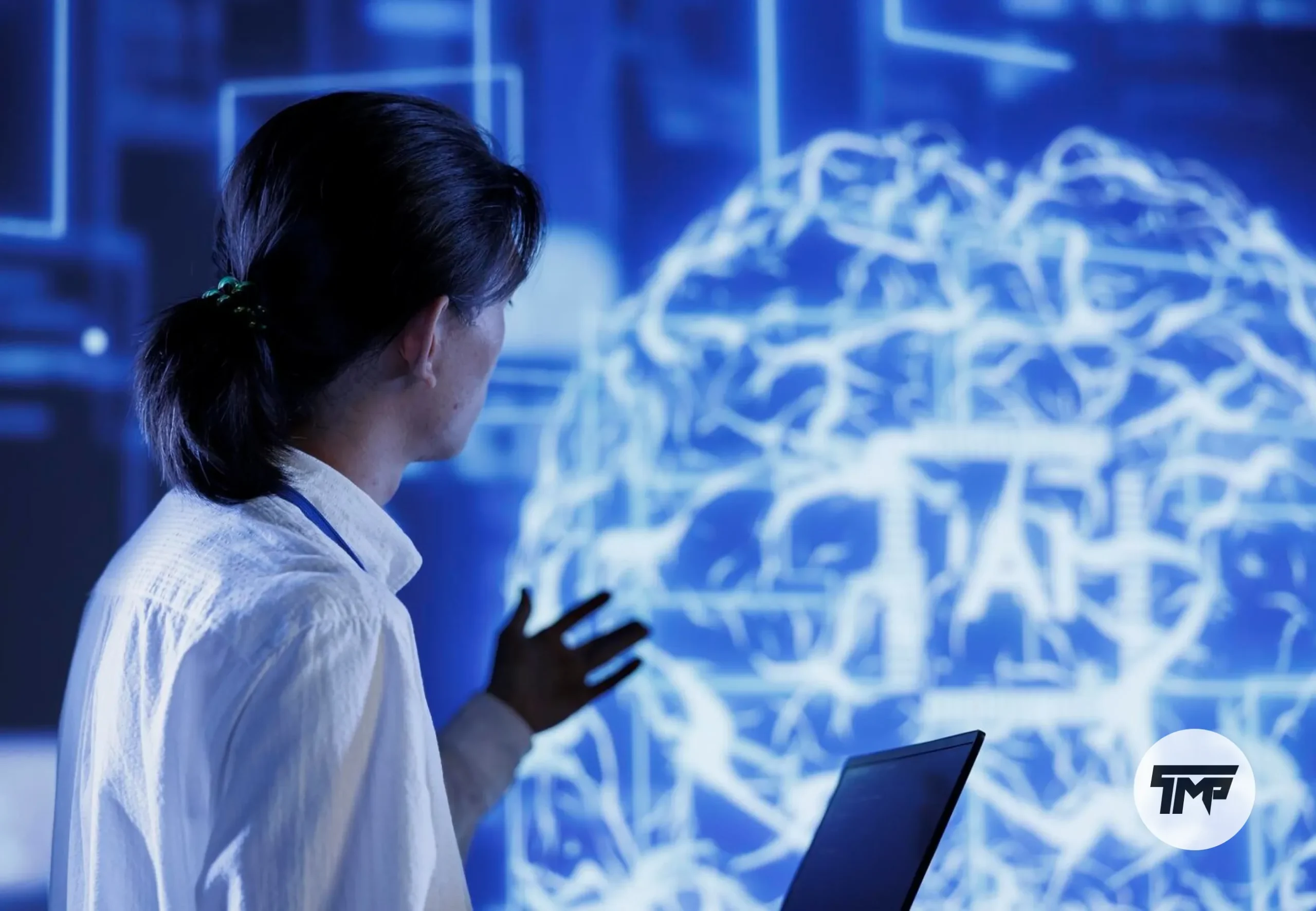
Now imagine a machine that works the same way. That idea drives Neuromorphic computing. This technology copies how the brain processes information. It does not follow the old computer model. Instead, it uses brain-inspired computing to design smarter systems.
Today, AI needs more speed and less power. Traditional chips struggle with this demand. Neuromorphic computing offers a fresh path. It focuses on efficiency, learning, and real-time action. In simple terms, it builds machines that think more like humans.
This is where neuromorphic computing explained becomes important. To understand its impact, you must first understand how it breaks old limits.
Understanding Neuromorphic Computing

_ DC Studio _ freepik
Let’s break it down clearly.
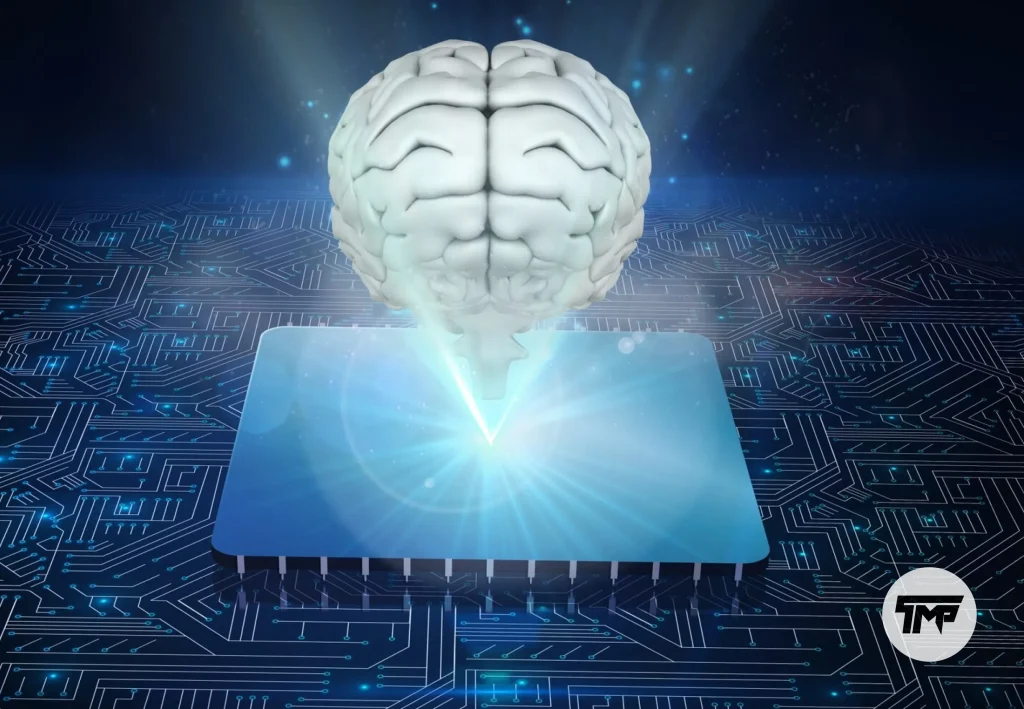
Neuromorphic computing is a method of designing hardware that mimics the brain. It builds systems using artificial neurons and artificial synapses. These components act like real brain cells.
Traditional computers separate memory and processing. That design slows things down. Brain cells do not work that way. They store and process signals together. Neuromorphic chips follow this same pattern.
This approach creates cognitive computing systems that learn from data in real time. It does not depend only on heavy cloud servers. It processes information where it is generated. That makes it powerful for edge devices.
Companies like Intel and IBM invest heavily in neuromorphic chips. Intel developed Loihi. IBM introduced TrueNorth. Both focus on bio-inspired hardware that works like the brain.
If you are looking for Neuromorphic computing explained in simple terms, think of it as next-generation AI hardware built to copy human thinking patterns.
How Neuromorphic Systems Work
_ creativeart _ Freepik
he core of Neuromorphic computing lies in spiking neural networks (SNN). These networks send signals only when needed. They do not process data constantly like traditional systems.
This design uses event-driven architecture. The system reacts only when it detects a change. That reduces wasted energy.
Here’s how it works in practice:
- Artificial neurons receive signals.
- They process data locally.
- Artificial synapses adjust connection strength.
- The system sends output only when a spike occurs.
This structure creates energy-efficient processors. It also allows parallel processing at scale. Thousands of artificial neurons work at the same time.
Because of this, neuromorphic chips excel in real-time environments. Robots can respond faster. Smart sensors can detect movement instantly. Autonomous machines can make split-second decisions without heavy cloud support.
That is why Neuromorphic computing plays a key role in robotics and edge AI systems.
Key Algorithms Behind Neuromorphic Computing
_ DC Studio _ Freepik
Strong hardware needs strong learning rules. Neuromorphic computing depends on algorithms built for brain-like behavior.
The most important ones include:
- Spiking Neural Networks (SNN)
These models mimic biological neuron spikes. They send signals only when thresholds are reached. This improves speed and efficiency. - Spike-Timing Dependent Plasticity (STDP)
This rule adjusts connections based on timing. If neurons fire together, connections grow stronger. - Hebbian Learning
Often described as “cells that fire together, wire together.” This method strengthens useful connections. - Event-Driven Learning Models
These reduce unnecessary computation. They save power and improve response time.
Unlike deep learning models that require massive GPUs, these systems work with energy-efficient processors. They focus on real-time learning instead of heavy training cycles.
This shift makes Neuromorphic computing highly suitable for smart devices and embedded AI systems.
Benefits and Real-World Advantages
_ DC Studio _ Freepik
The benefits of Neuromorphic computing go beyond theory. It delivers measurable results.
First, it reduces energy usage. Brain-inspired computing uses far less power than traditional AI chips. That makes it perfect for portable devices.
Second, it improves speed. Neuromorphic chips process events instantly. They do not wait for full data batches.
Third, it supports on-device learning. Devices can adapt without constant internet access. That increases privacy and security.
Fourth, it enables edge intelligence. Smart cameras, wearable devices, and IoT tools can analyze data locally.
Industries already exploring this technology include:
- Healthcare monitoring systems
- Defense applications
- Autonomous vehicles
- Smart city infrastructure
These applications show how next-generation AI hardware can change real-world systems.
Current Challenges and Areas for Improvement
Even with its promise, Neuromorphic computing still faces hurdles.
The development ecosystem remains limited. Traditional AI has mature tools and libraries. Neuromorphic platforms are still growing.
Algorithm conversion also presents difficulty. Many deep learning models do not easily transfer to spiking neural networks (SNN). Researchers must redesign models from scratch.
Hardware scaling adds another challenge. Building millions of stable artificial neurons on one chip requires precision engineering.
Finally, research costs remain high. Only major labs and companies can invest heavily in this field.
Still, progress continues. As tools improve, adoption will increase. The long-term benefits outweigh the short-term barriers.
Final Thoughts and Future Outlook
Neuromorphic computing marks a turning point in AI design. It does not aim to make computers just faster. It aims to make them smarter and more efficient.
As AI expands into daily life, energy demands grow. Traditional systems consume massive power. Neuromorphic chips offer a cleaner solution. They combine learning, processing, and memory into one intelligent structure.
This shift will impact artificial intelligence, robotics, edge computing, and human-machine interaction. Cognitive computing systems will become more adaptive. Devices will think locally. Machines will respond instantly.
In simple words, Neuromorphic computing explained means building machines that behave more like brains and less like calculators.
The future of computing will not depend only on bigger data centers. It will depend on smarter, low-power, brain-inspired systems.
And that is why Neuromorphic computing stands at the center of the next AI revolution.
FAQs on Neuromorphic Computing
1. What is Neuromorphic computing in simple words?
Neuromorphic computing is a type of computing that copies how the human brain works. It uses artificial neurons and artificial synapses to process information in a smarter and more energy-efficient way.
2. How is Neuromorphic computing different from traditional computing?
Traditional computers separate memory and processing. Neuromorphic computing combines both, just like the brain. This makes it faster and more power-efficient.
3. Where is Neuromorphic computing used today?
It is used in robotics, smart sensors, healthcare monitoring systems, and edge AI devices that need real-time decision-making.
4. What are neuromorphic chips?
Neuromorphic chips are special processors designed to mimic brain activity. They use spiking neural networks to process data only when needed.
5. Why is Neuromorphic computing important for the future?
Neuromorphic computing reduces energy use, improves real-time learning, and supports next-generation AI hardware. It can power smarter and more adaptive machines in the future.






Leave a Reply