

Introduction
AI is moving fast. Very fast.
Every new model needs more power. More chips. More energy. And that creates a serious problem. Today’s data centers consume massive electricity. They consume huge volumes of water to keep their systems cool. They also take up huge land areas.
This rapid rise in AI energy consumption is pushing the limits of Earth’s infrastructure. Power grids feel the strain. Cities feel the heat. Companies look for smarter solutions.
That’s where Space-Based AI Data Centers enter the picture.
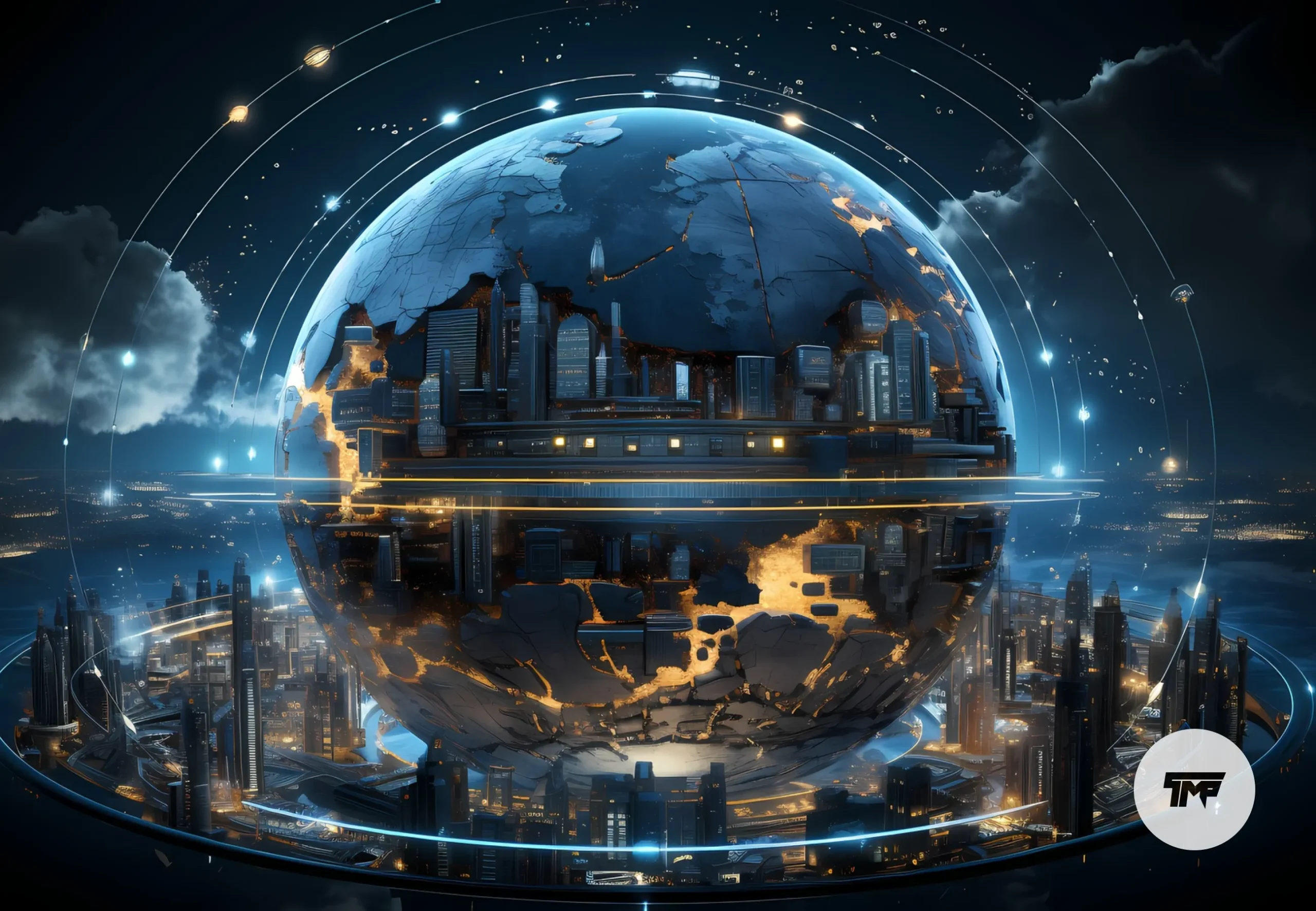
Instead of building bigger server farms on Earth, engineers are exploring AI data centers in space. These centers would float in orbit. They would use direct solar energy in space. And they would send processed data back to Earth.
It sounds bold. It sounds futuristic. But thanks to rapid space technology advancements, it is no longer impossible.
Let’s break this down step by step.
What Are Space-Based AI Data Centers?

_ freepik _ dc studio
Space-Based AI Data Centers are advanced computing hubs installed in Earth’s orbit. Most concepts focus on Low Earth orbit data centers because they stay closer to Earth and reduce delay.
These are not science labs. They are full-scale systems built for AI computing in space. They run heavy AI workloads. They train models. They process large datasets. And they work 24/7.
Instead of relying on coal plants or city grids, these systems use:
- Direct sunlight for energy
- Advanced data center cooling in space
- Secure satellite transmission systems
Think of them as orbital supercomputers. Always on. Always powered by the sun.
This idea depends on strong space infrastructure technology. Companies like NASA, SpaceX, and Blue Origin are making launch systems cheaper. Thanks to reusable rocket launches, sending hardware into orbit costs less than before.
That shift makes Space data center infrastructure more realistic than ever.
Key Features of Space-Based AI Data Centers
_ freepik _ dc studio
1. Solar-Powered AI Servers
The biggest advantage is energy.
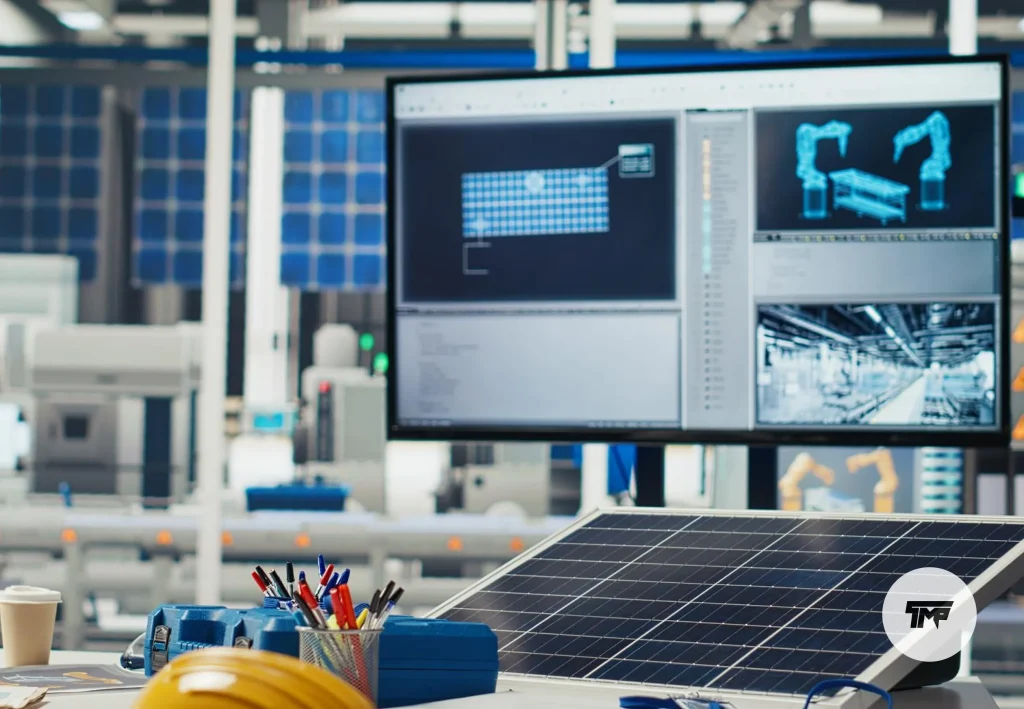
In orbit, solar panels receive near-constant sunlight. There are no long night cycles like on Earth. This gives Solar-powered AI servers a steady and clean energy source.
That means:
- Higher efficiency
- Lower carbon output
- Stronger push toward carbon-neutral AI systems
This is not just innovation. It is a serious move toward green data centers and real AI sustainability solutions.
2. Smarter Cooling in Space
Cooling is expensive on Earth. Data centers use water systems and power-hungry cooling units.
In orbit, engineers use radiation panels to release heat into space. This method supports advanced data center cooling in space without draining water supplies.
It is not simple. But it removes one of the biggest costs of ground systems.
3. Orbital AI Computing Power
Orbital AI computing focuses on heavy workloads. Training large models. Running complex simulations. Processing global data streams.
These systems act like orbital server farms. You can design them in modules. Add more satellites. Increase compute power. Scale without land limits.
This modular design supports long-term growth of the Future of AI infrastructure.
4. Satellite Communication Networks
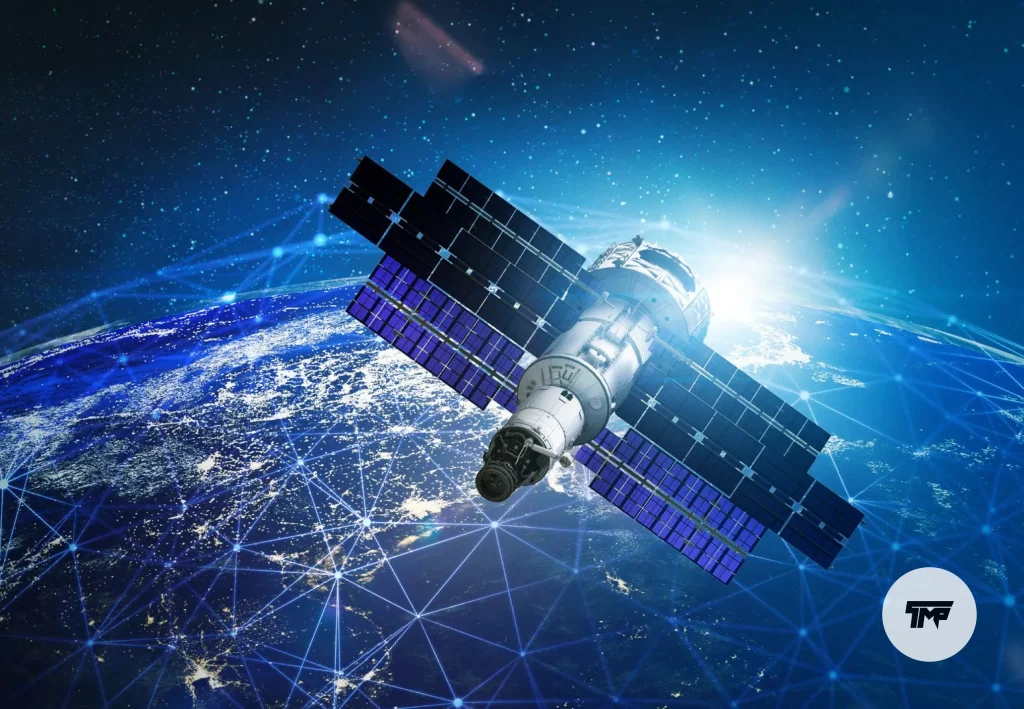
To function properly, Satellite-based data centers rely on strong satellite communication networks.
They process data in orbit. Then they send results back to Earth. This supports Space cloud computing and global AI services.
Yes, there are challenges like data transmission latency in space. But improvements in laser communication and advanced networking continue to reduce delays.
5. Strong Isolation and Security
Physical separation adds security.
Earth-based centers face floods, fires, and physical threats. Space-Based AI Data Centers operate above these risks.
They also integrate radiation protection for satellites to shield hardware from cosmic exposure.
Security does not become perfect. But it gains a powerful new layer.
Core Benefits of Space-Based AI Data Centers

_ freepik _ dc studio
The benefits go far beyond innovation headlines.
First, they reduce pressure on Earth’s grid. Heavy AI training shifts off-planet. This protects cities from overload and supports better resource balance.
Second, they promote sustainable AI computing. Direct sunlight reduces fossil fuel dependence. This strengthens long-term AI sustainability solutions.
Third, they eliminate urban heat impact. Traditional centers generate heat islands. AI data centers in space avoid this problem entirely.
Fourth, they improve scalability. With modular Space data center infrastructure, companies can expand capacity step by step.
Fifth, they support remote access. Through Space-based cloud platforms, even distant regions can receive computing services without local mega-centers.
Finally, they prepare us for future growth. As AI models grow larger, high-performance computing in orbit may become essential. Earth’s grid may not support endless expansion. Orbit offers breathing room.
This is why experts see Space-Based AI Data Centers as a serious part of the Future of AI infrastructure.
Pros and Cons
Every breakthrough comes with trade-offs.
Pros
- Clean solar energy in space
- Reduced grid pressure on Earth
- Strong push toward green data centers
- Scalable orbital server farms
- No land acquisition problems
- Supports long-term AI computing in space growth
Cons
- High launch costs
- Complex maintenance
- Hardware risks from radiation
- Possible data transmission latency in space
- Space debris threats
Right now, cost remains the biggest barrier.
But falling launch prices and better space infrastructure technology are changing the math.
Real-World Progress and Momentum
-freepik-_-dc-studio-scaled
This idea does not live only in research papers.
Private companies already test orbital manufacturing. Governments invest in advanced satellite networks. Chip makers explore designs optimized for space.
As reusable rocket launches become routine, transporting heavy server modules becomes more practical.
We are still in early stages. Yet each launch lowers the barrier.
Momentum is building slowly but steadily.
Conclusion
Space-Based AI Data Centers may sound like science fiction. But the logic behind them is strong.
AI demand keeps rising. Energy use keeps growing. Earth’s resources have limits.
By shifting part of our compute power into orbit, we open a new path. A path powered by sunlight. A path supported by modular Satellite-based data centers. A path aligned with sustainable AI computing.
We are not there yet.
But the pieces are coming together. Launch systems are improving. Satellite networks are expanding. Cooling systems are advancing.
The foundation for Space-Based AI Data Centers is already forming.
And in the long run, this could redefine the Future of AI infrastructure.
FAQs
1. Are Space-Based AI Data Centers operational today?
Not at full commercial scale. Most projects remain in research or early testing phases.
2. Why build AI data centers in space instead of Earth?
To reduce grid pressure, use direct solar energy, and support scalable AI computing in space.
3. How do they stay cool?
They use advanced radiation systems designed for effective data center cooling in space.
4. Is latency a serious problem?
Yes. Data transmission latency in space remains a technical challenge, especially for real-time tasks.
5. When could this become mainstream?
If launch costs continue to fall and space technology advancements accelerate, adoption could grow over the next few decades.




Leave a Reply