

Introduction
Search is changing. In the past, you typed a keyword into Google and scrolled through a list of blue links. Today, things look very different. Now, we ask questions to AI chatbots and talk to voice assistants. This is where Answer Engine Optimization (AEO) becomes relevant. If you want your brand to stay visible, you need to understand how to provide direct answers. This guide will show you exactly how to master Answer Engine Optimization (AEO) for the modern era.
What is Answer Engine Optimization?
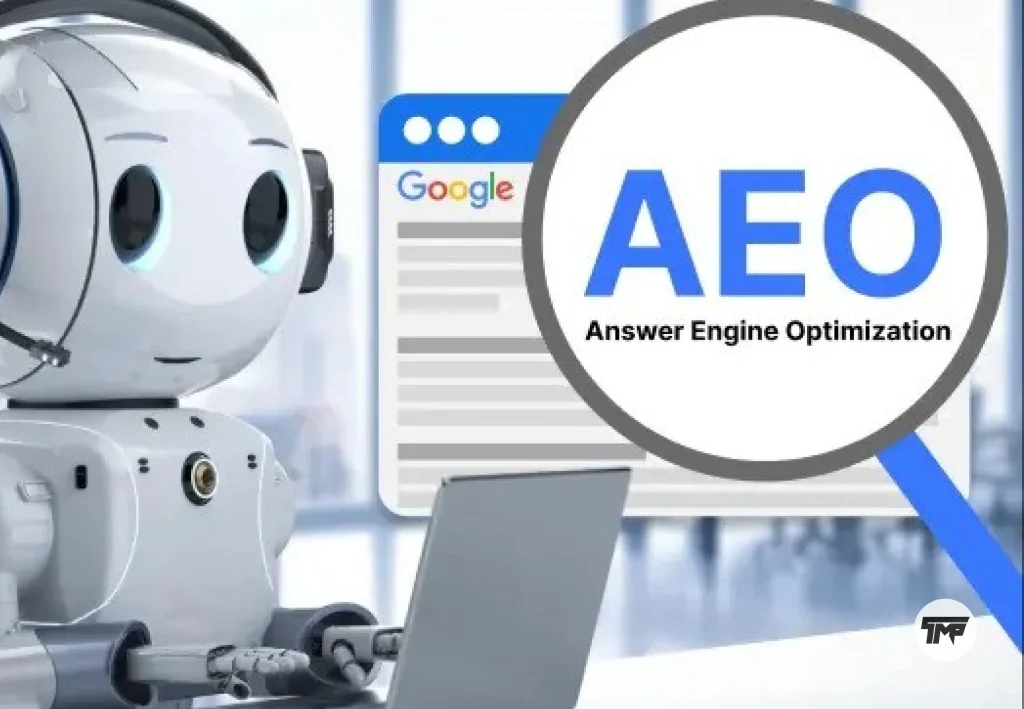
Answer Engine Optimization (AEO) focuses on structuring content so AI systems can easily understand and present it. It is a specialized branch of digital marketing. The goal is simple. You want to provide clear, direct answers that AI-powered search engines can extract instantly. Instead of just ranking a page, you are feeding an “answer engine” the specific data it needs.
Think of Answer Engine Optimization (AEO) as the evolution of traditional search. It focuses on chat-based search results and AI search visibility. When a user asks a question, the AI looks for the most reliable source. If your content is optimized, the AI will pick you. This often results in “zero-click” results. The user gets the answer right on the search page without needing to click your link. While that sounds scary, it actually builds massive brand authority.
Why AEO Matters in 2026 and Beyond

The shift toward AEO for AI search is happening because of speed. People no longer want to browse five different websites to find a simple fact. They want the answer now. This change is fueled by the rise of AI-generated answers and smart devices. If your site doesn’t provide a quick answer, you are essentially invisible to a large portion of the market.
Answer Engine Optimization (AEO) helps you capture the attention of these modern users. In 2026, AI search visibility is just as important as your ranking on page one. Most users now prefer a short, precise response over a 2,000-word blog post. If you don’t adapt your AEO in digital marketing strategy, you will lose traffic to competitors who satisfy search intent optimization faster than you do.
AEO vs SEO: What’s the Difference?
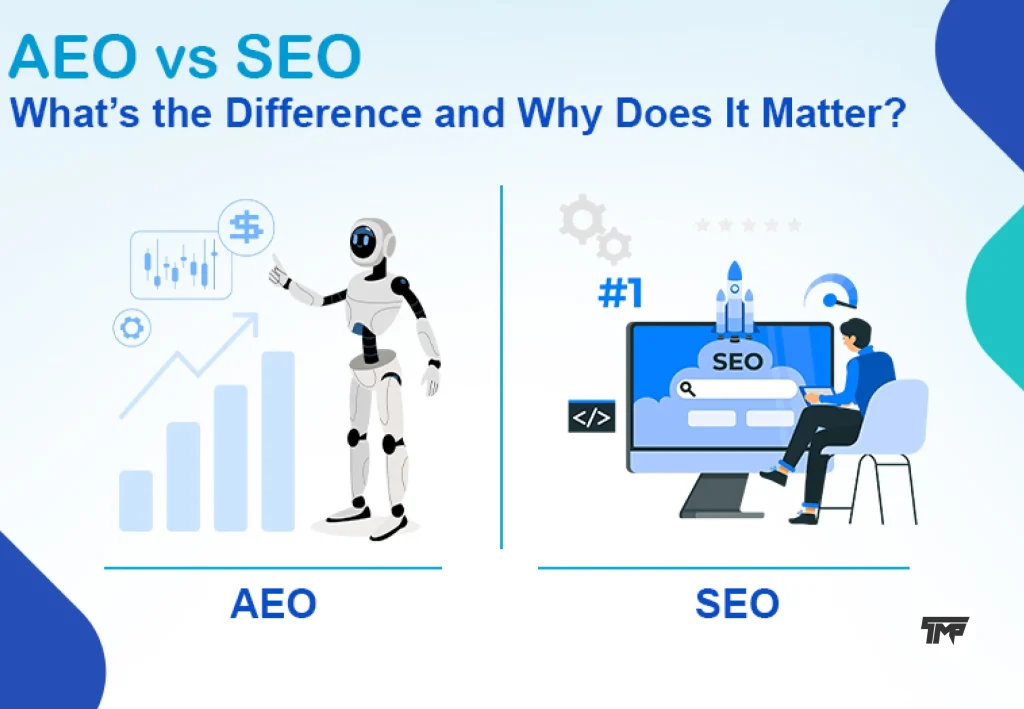
Many people ask about AEO vs SEO. Are they the same thing? Not exactly. Traditional SEO focuses on ranking pages for specific keywords. It aims for broad discovery and high click-through rates. Answer engine SEO, on the other hand, focuses on delivering a specific answer to a specific question. It targets natural language queries rather than just short-tail keywords.
The result of SEO is usually a clickable link. The result of Answer Engine Optimization (AEO) is often a featured snippets optimization win or a voice response. SEO brings the user to your website. AEO brings your knowledge to the user. To succeed today, you need a balance. A strong Answer Engine Optimization (AEO) strategy works best when it is built on top of a solid SEO foundation.
How Answer Engines Work
To optimize your site, you must understand how answer engines work. First, the engine interprets the user’s query using natural language queries. It tries to figure out exactly what the person is looking for. This is called search intent optimization. The engine then looks for the best match in its database.
Next, the engine performs content extraction. It pulls the most relevant, structured data it can find. This is why structured data and schema markup are so important. Finally, it generates an answer. It might display this text in a chat box or speak it through a smart speaker. If your content is hard to parse, the engine will skip you and move to the next source.
Key Components of Answer Engine Optimization
One of the best AEO optimization techniques is focusing on question-based content. You should use words like “Who,” “What,” “Where,” and “How.” Write your content in an FAQ style that matches how people actually speak. This makes it much easier for AI-powered search engines to identify your content as a direct solution to a user’s problem.
Another pillar is entity-based SEO. This means you should use clear names for tools, brands, and concepts. Maintain a consistent topic throughout your site to build topical authority. When you combine this with FAQ schema and how-to schema, you give machines a roadmap to your content. Using Answer Engine Optimization (AEO) correctly means you stop writing for bots and start answering for humans.
If you want to optimize content for answer engines, start by identifying real user questions. You can use Google People Also Ask to see what people are curious about. Once you have a list of questions, map the intent. Is the user seeking information, or are they prepared to make a purchase? Knowing this helps you craft the perfect response.
Next, write your concise answer first. Put the “meat” of the content in the first two sentences. You can add more depth and details later in the post. This “inverted pyramid” style is perfect for AEO for voice search. Don’t forget to implement structured data and schema markup to help the AI understand the context of your page. Finally, keep your content fresh. Answer Engine Optimization (AEO) rewards accuracy and current information.
Best Content Formats for AEO
Not all content works well for Answer Engine Optimization (AEO). Certain formats are much easier for AI to digest. FAQs are the gold standard. They provide a clear question and a clear answer. How-to guides and glossaries are also excellent. They define terms and provide step-by-step instructions that are easy to turn into AI-generated answers.
Listicles and comparison posts also perform well. They use clear headings and bullet points that AI-powered search engines love to scrape. When you use these formats, you increase your chances of appearing in chat-based search results. Focus on clarity and avoid long, rambling introductions. Every paragraph should serve a purpose and answer a part of the user’s query.
Tools for Your AEO Strategy
You don’t have to guess what people are asking. Several tools can help you refine your Answer Engine Optimization (AEO). Google Search Console is great for seeing which queries already lead people to your site. You should also look at AnswerThePublic to find conversational search queries that you might have missed.
For the technical side, use schema markup tools. These help you generate the code that tells AI exactly what your content is about. Using AI-powered search engines for your own research can also give you a hint. Ask a chatbot a question about your industry and see who it cites. That is your competition for AI search visibility. Study their structure and do it better.
Common AEO Mistakes to Avoid
The biggest mistake in Answer Engine Optimization (AEO) is writing long intros. If a user has to scroll for three minutes to find the answer, the AI will ignore you. Another error is ignoring structured data and schema markup. Without this “behind-the-scenes” code, engines have a harder time trusting your data.
Avoid over-optimization and keyword stuffing. This ruins the flow of natural language queries. Also, never publish outdated information. If an answer engine provides a wrong answer because of your site, it will likely stop citing you in the future. Clarity beats complexity every time. Keep your sentences short and your points direct to maintain high AI search visibility.
Conclusion: The Future of Search
Answer Engine Optimization (AEO) is not just a trend. It is the new reality of how we find information. As we move further into an AI-first world, providing clear answers will be the only way to stay relevant. By combining traditional SEO with a smart Answer Engine Optimization (AEO) strategy, you position yourself for long-term success.
Start today by looking at your most popular pages. Can you turn a paragraph into a clear, one-sentence answer? Can you add a FAQ schema? These small changes will help you win in the age of AI-powered search engines. The brands that prioritize the user’s need for speed will own the future of the web.
Quick AEO FAQs
1. What is AEO?
Answer Engine Optimization (AEO) optimizes content to provide direct answers for AI-powered search engines and voice assistants.
2. Does it replace SEO?
No. Answer engine SEO works with traditional SEO to boost AI search visibility and authority.
3. Why use Schema?
FAQ schema helps AI extract AI-generated answers quickly from your site.
4. What is the best format?
Short, direct paragraphs and question-based content perform best for zero-click searches.
5. Is it only for voice?
No. It also targets chat-based search results and featured snippets.





Leave a Reply