

Introduction
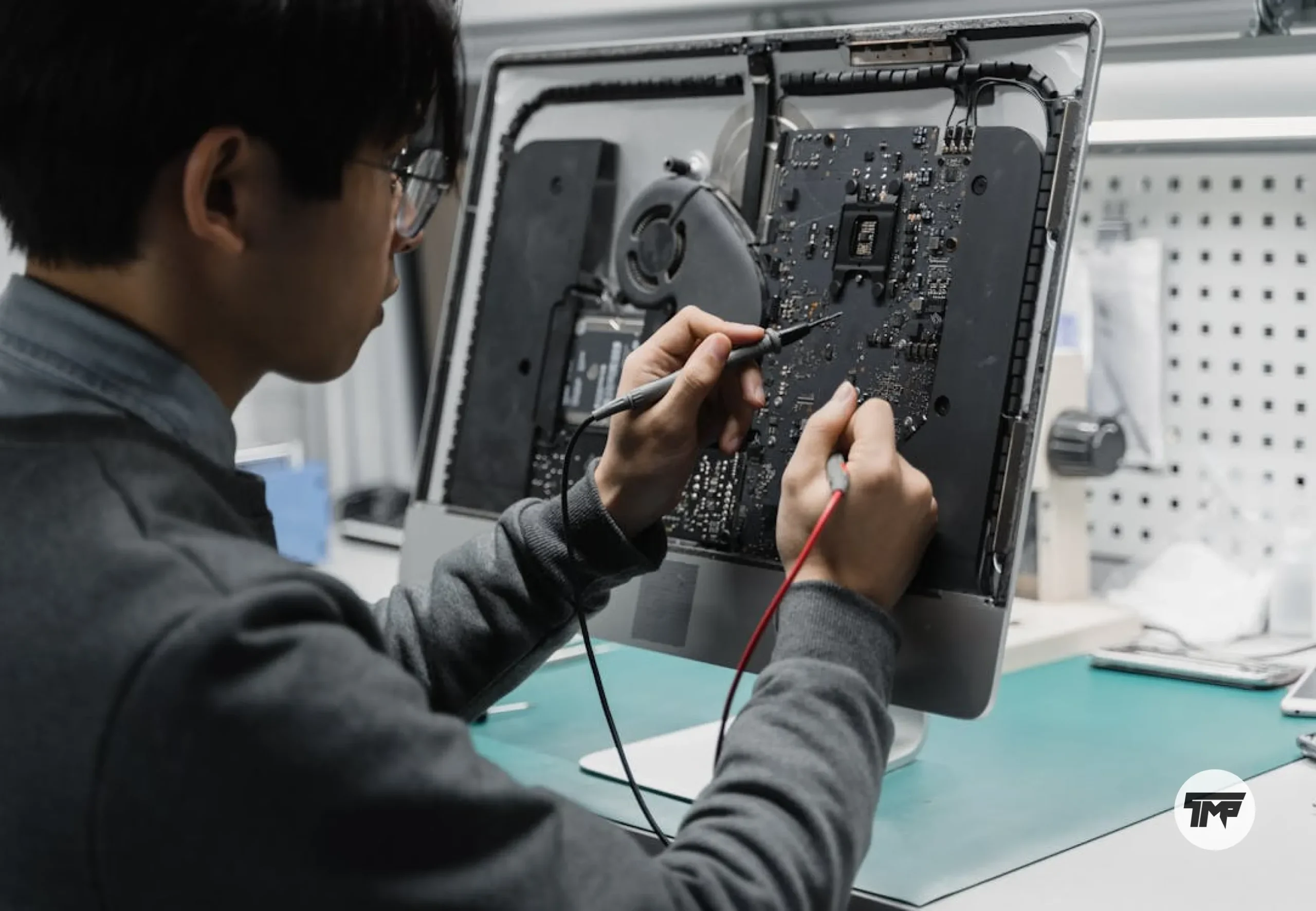
For years, we have followed a frustrating pattern with our tech. Devices look sleek, but they break far too easily. Batteries are sealed shut. Screens are glued tight. Repairs often feel impossible or just way too expensive. Because of this, we replace our gadgets faster than ever before. This creates massive piles of waste and a lot of empty wallets.
But things are finally changing. Consumers are starting to push back against this “throwaway” culture. People are tired of buying a brand-new phone just because a small part broke. This shift in mindset has sparked a massive interest in repairable gadgets. We are seeing a return of modular phones and laptops that you can actually fix. It is a win for your bank account and the planet.
This guide explains how gadgets became difficult to repair over time. We will also explore why repairable technology is suddenly the hottest trend in the industry. You will see real-world examples and learn what this means for your next purchase. Let’s dive into the world of tech that actually lasts.
Why Gadgets Became So Hard to Repair
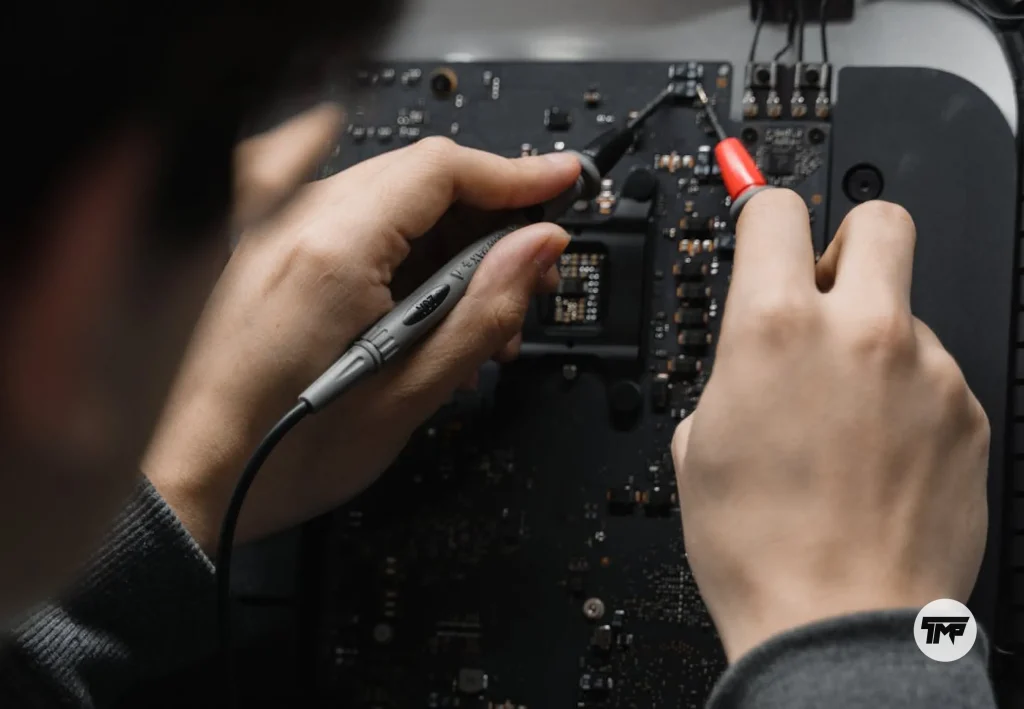
Modern electronics did not become disposable by accident. It was a choice made by big tech companies over several decades. Many devices transitioned to “sealed” designs using heavy amounts of glue. Manufacturers fused batteries, screens, and ports together. This makes a simple battery swap a nightmare. What used to take five minutes now requires heat guns and specialized tools.
Planned obsolescence also played a major role in this shift. Some brands designed products with a limited lifespan to encourage you to upgrade. You might have noticed your old phone slowing down after a software update. This nudge pushes users toward the newest model. It is a cycle that benefits the company but hurts the consumer.
Control over the repair process also shifted away from you. Brands created authorized repair programs that kept parts and manuals secret. This made it very hard for independent shops to survive. On top of that, companies prioritized thin designs and water resistance. While these features are nice, they often came at the cost of being able to open the device. We chose convenience over longevity for a long time.
What Exactly Are Repairable Gadgets?
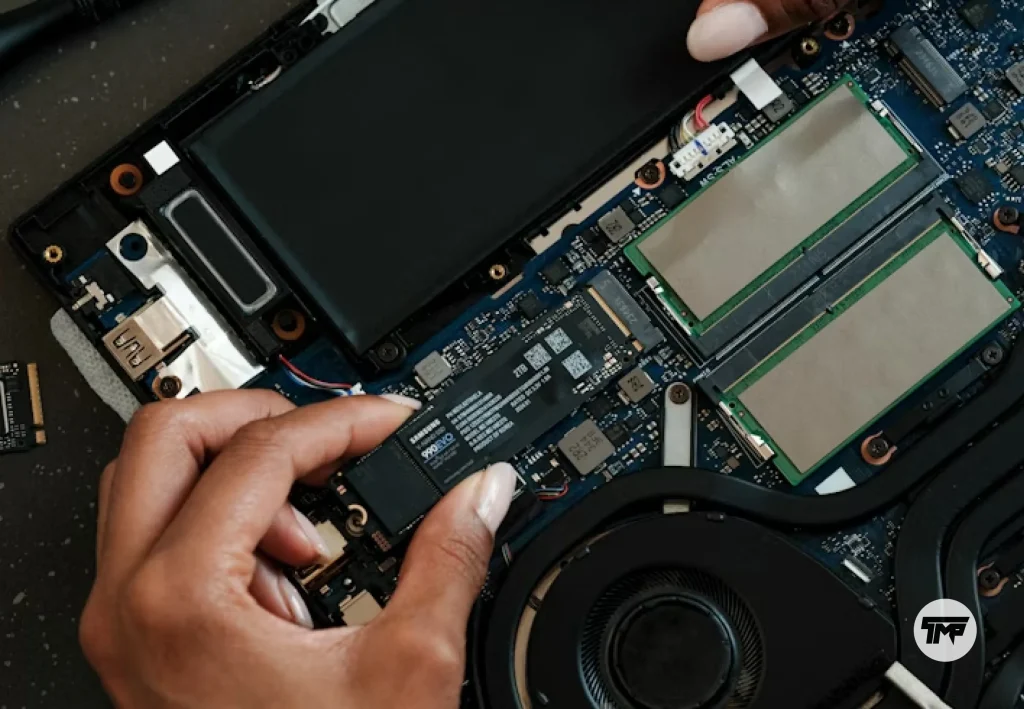
Repairable gadgets are devices designed to be fixed rather than replaced. They focus on transparency and long-term use. These products usually feature replaceable batteries and parts like cameras and charging ports. Instead of using permanent glue, manufacturers use standard screws. This means you can open the device without breaking it.
These repairable devices also come with easy access to spare parts. Some brands are even selling these parts directly to their customers online. They provide clear manuals that show you exactly how to perform a fix. This transparency is a huge part of the right to repair movement. It gives power back to the person who actually bought the product.
Modular gadgets take this a step further. They use a layout where you can swap out specific sections. If you want a better camera, you just plug in a new camera module. You don’t have to buy a whole new phone. This modular approach extends the life of the product significantly. It turns a gadget from a disposable item into a long-term tool.
Why Repairable Tech is Returning Now

Consumers are much more informed today. Before buying, many people now check “repairability scores.” We want sustainable tech products that offer real value over several years. Budget-conscious buyers are also realizing that fixing a screen is much cheaper than buying a new $1,000 phone. People are simply tired of being forced into expensive upgrades.
The right to repair movement has also gained a lot of political power. Governments globally are rolling out updated legislation. These laws require tech companies to provide parts and tools to the public. These rules help stop monopolies on repairs and keep prices fair. It is a major shift in how the law views consumer ownership.
Environmental concerns are another huge factor. Electronic waste reduction is now a global priority. Millions of devices end up in landfills every single year. Most of these have parts that could have been reused. Repairable gadgets support a circular economy in tech. This means we reuse and recycle instead of just throwing things away. Sustainability has moved beyond a trend and become essential.
Examples of Eco-Friendly Gadgets Making Waves
Some companies are already leading the charge with easy-to-repair electronics. Modular smartphones are a great example. These phones allow you to replace the screen or battery in minutes with a simple screwdriver. They are built for accessibility rather than just looking pretty. These brands prove that you can have a powerful phone that isn’t a sealed black box.
Repairable technology is also hitting the laptop market. Some new laptops feature replaceable RAM, storage, and keyboards. If your keyboard breaks, you don’t need a new computer. You just swap the part. This makes them long-lasting tech products that can grow with your needs. You can even upgrade the processor in some models to keep the machine fast as years go by.
Even wearables are starting to change. Some smartwatches now allow for easier battery swaps. This is a small change, but it keeps the watch out of the trash. What makes these eco-friendly gadgets work is their simple design. They rely on commonly available parts that are easy to source. This open access is the key to a more sustainable future for all our tech.
The Big Benefits of Making the Switch
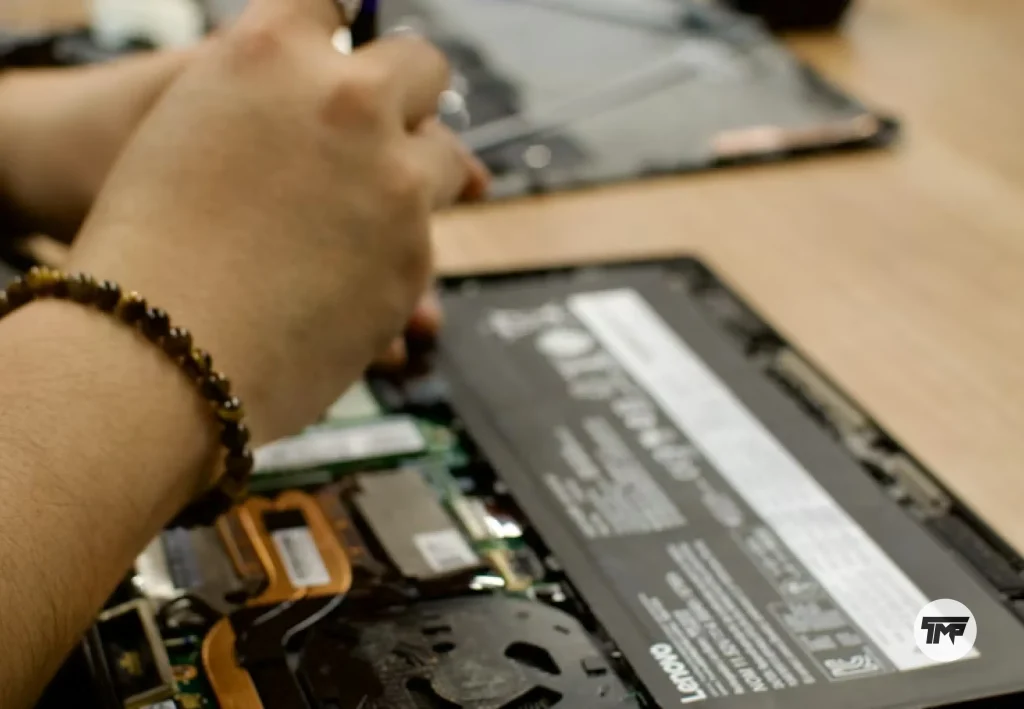
The most obvious benefit of repairable gadgets is that they last much longer. A device you can fix stays in your pocket for years. This drastically reduces your long-term costs. While you might pay a little more upfront, you save hundreds of dollars over time. You are paying for quality and the ability to maintain your own property.
Using repairable devices also helps the planet. It cuts down on the energy needed to manufacture new products. It also reduces the toxic waste found in old batteries and circuit boards. Beyond the environment, there is a sense of pride in fixing something yourself. You gain true control over your technology. Ownership feels much more real when you can actually see what is inside your device.
Challenges Facing the Industry
Despite the progress, we still face some hurdles. Some modular gadgets cost more to make because of the high-quality parts. This can make them more expensive for the average buyer. Also, these devices are not yet available in every local store. You often have to seek them out online or from specialized brands.
There are also some design trade-offs to consider. A repairable phone might be a little bit thicker than a sealed one. It might also be slightly less water-resistant because it has more openings. Finally, many people still don’t know these options exist. Awareness is growing, but it will take time for gadget repairability to become the top priority for every shopper.
How This Trend Impacts Your Future
This shift is forcing big companies to rethink their designs. We are seeing a move away from closed systems. New business models are popping up everywhere. Brands are starting to make money by selling repair kits and spare parts. This creates a more honest relationship between the brand and the customer.
Repairable gadgets are becoming a competitive advantage. If two phones have the same features, but one is easier to fix, the consumer wins. Big manufacturers are feeling the pressure from both the public and the government. Slowly but surely, the “disposable” era of tech is coming to an end. We are moving toward a world of consumer electronics repair that is fair and easy.
Final Thoughts
Repairable gadgets are making a comeback because we demanded them. They challenge the idea that tech must be disposable. This shift saves you money and protects the environment. It also gives you back the power of ownership. As more people choose repairable technology, it will eventually become the standard for all electronics.
FAQ: Everything You Need to Know
What exactly makes a gadget “repairable”?
It means the device is easy to open and has parts you can swap out. It also means the company provides parts and manuals to everyone.
Are modular smartphones as good as regular ones?
Yes! They offer similar speeds and camera quality. The only difference is that you can actually fix them if they break.
Does repairing my gadget void the warranty?
In many places, new laws protect your right to fix your device without losing your warranty. Always check your local right to repair laws.
Is it hard to fix my own electronics?
Not necessarily. Many repairable gadgets are designed so a beginner can fix them. They use simple screws and plug-and-play modules.
Where can I buy sustainable tech products?
Many specialized online retailers focus on eco-friendly gadgets. Look for brands that highlight their repairability scores on their websites.





Leave a Reply