

Introduction
Healthcare is changing fast. Today, health gadgets that predict problems before symptoms appear do more than just count your steps. They watch your body like a personal bodyguard. They notice tiny changes you can’t feel. They raise the red flag early.
From heart issues to sleep disorders, this shift is massive. Predictive health gadgets help people act weeks before a real symptom shows up. This matters because early action saves time, money, and lives. In this blog, you will learn how these smart health devices work and why they are the future of medicine.
What Are Predictive Health Gadgets?
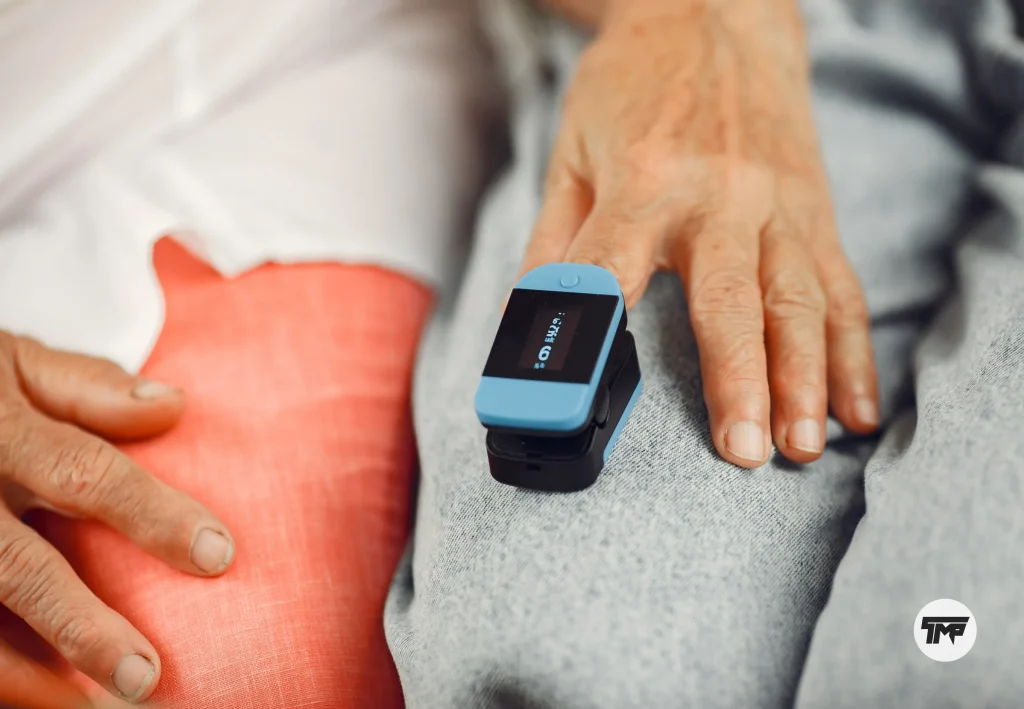
Predictive health gadgets are tools built for prevention. They focus on the quiet signals your body gives off every day. These health monitoring gadgets work in the background. They collect data and find patterns. Then, they alert you before you even feel sick.
Most AI health gadgets do four things. They collect real-time data. They use AI to find trends. They spot warning signs. Finally, they send an alert. Think of them as your body’s early warning signal. They support preventive healthcare technology instead of waiting for an emergency.
How These Gadgets Detect Health Problems Early
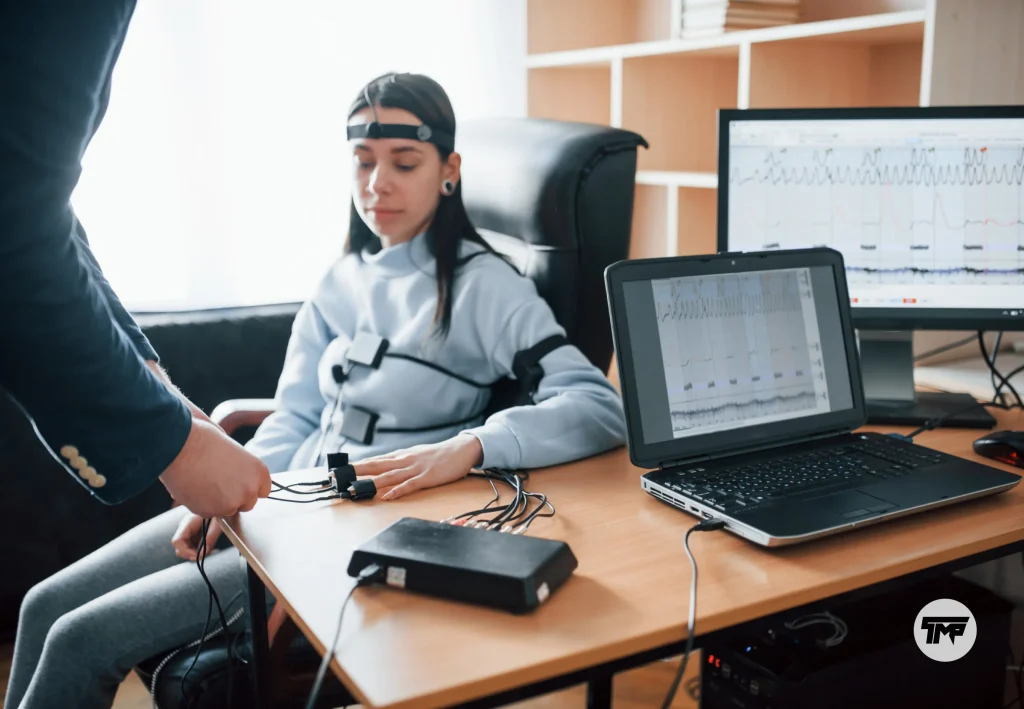
Most AI-powered health devices rely on three strong technologies. Each one plays a key role in finding issues before they start.
1. Sensors That Track Vital Signals
Sensors are the heart of wearable health technology. They collect data every second of the day. These sensors track your heart rate, oxygen levels, and skin temperature. These signals often shift long before you feel a fever. This is why devices that detect illness early are becoming a household staple.
2. AI That Finds Hidden Patterns
AI health gadgets do the heavy lifting. They turn raw numbers into useful insights. The AI compares your current data with your past trends. It also looks at millions of data points from other people. This helps the device find abnormal patterns fast. It is exactly how people predict health issues using AI today.
3. Continuous 24/7 Monitoring
Unlike a quick doctor visit, these tools never sleep. They watch your health around the clock. Continuous health monitoring devices spot slow changes that a single checkup might miss. This makes early detection much more reliable for everyone.
Top Health Gadgets That Predict Issues Early
Smartwatches and Fitness Bands
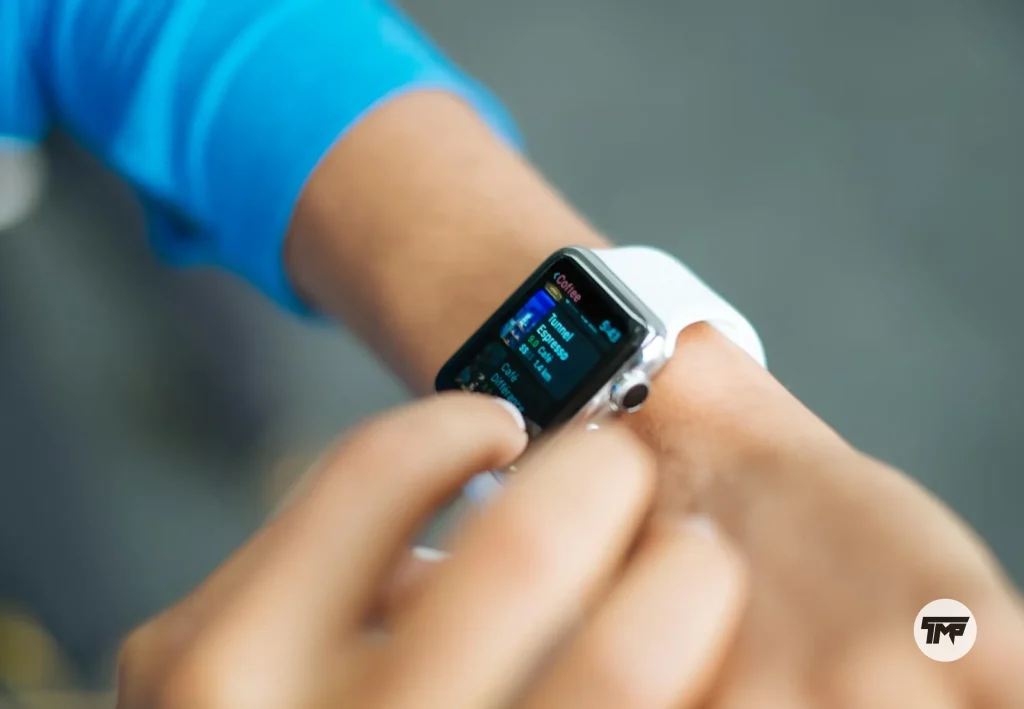
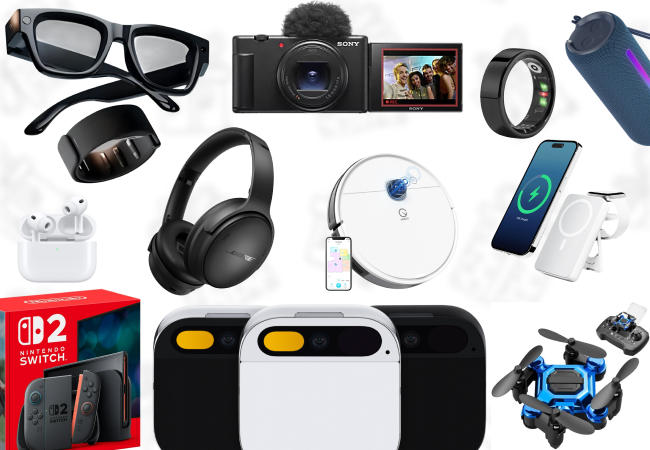
Your watch is now a powerful smart wearable health tracker. It does much more than track your gym sessions. Modern watches flag irregular heart rhythms and high stress levels. Some are even built as health wearables for heart monitoring. These health gadgets that predict problems before symptoms appear help you seek medical help on time.
Smart Rings
Smart rings are small but very smart. They track subtle changes that watches might miss. They monitor shifts in body temperature and breathing. These changes often show up days before you feel “under the weather.” Many health gadgets for early diagnosis rely on these temperature shifts to signal an infection early.
AI-Powered Blood Pressure Monitors
These are not your old-school BP machines. They go much deeper. These AI-powered health devices analyze your trends over months. They help predict the risk of hypertension before it becomes a crisis. They are excellent early disease detection devices for your heart.
Continuous Glucose Monitors (CGMs)
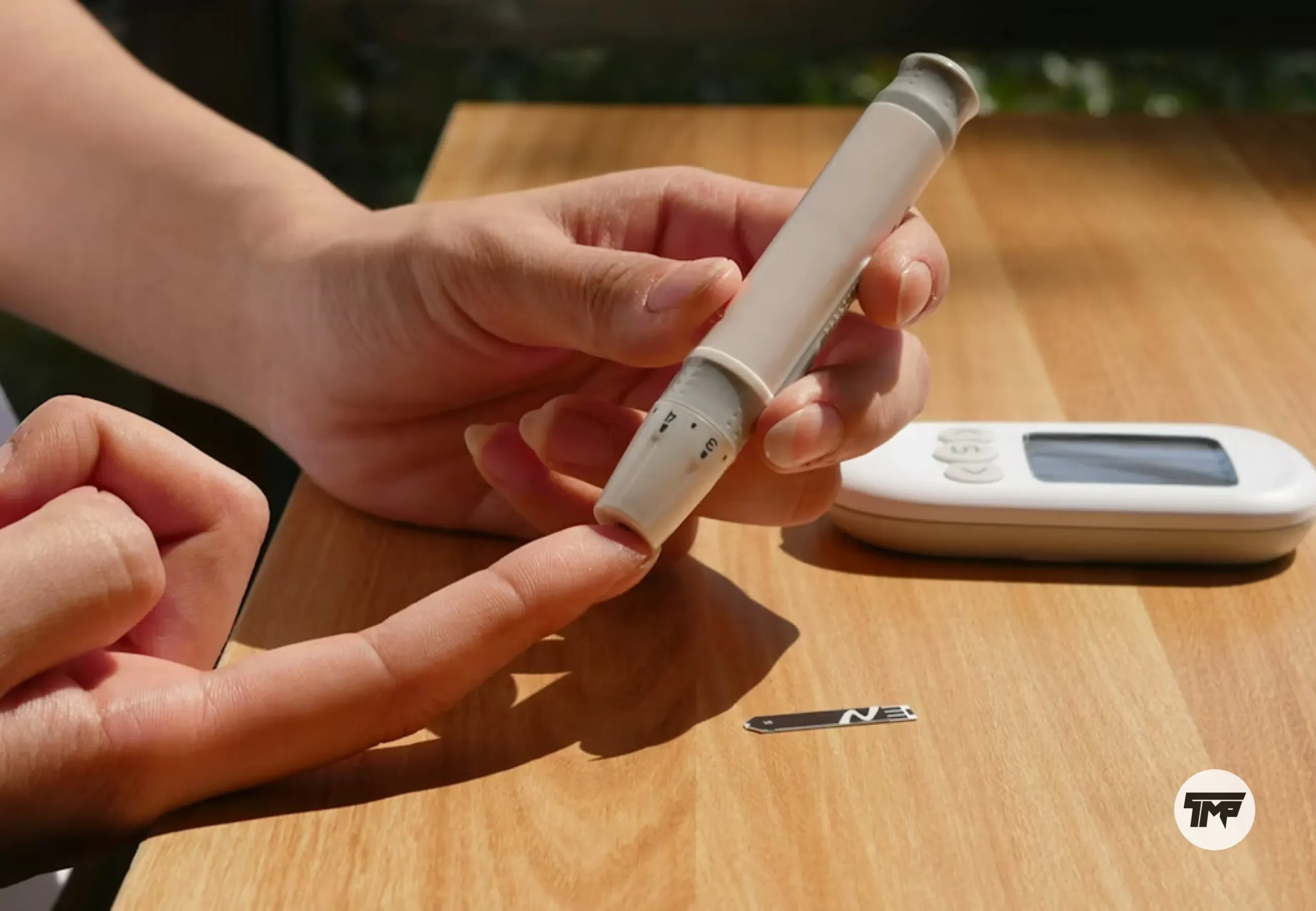
CGMs are changing the game for metabolic health. They track your sugar levels all day. They can detect insulin resistance early and predict sugar spikes. Many people who are not diabetic now use them as preventive healthcare technology. These tools are a huge part of remote health monitoring technology.
Smart Devices for Sleep Tracking
Your sleep is often the first thing to change when something is wrong. Smart devices for sleep tracking can show signs of hormonal imbalance or sleep apnea. They can even track mental stress levels. These are some of the most helpful digital health innovations available right now.
Real-World Benefits of Predictive Tech
The benefits of this future of healthcare technology are very clear:
- Catching sickness early before it spreads.
- Fewer trips to the emergency room.
- Personalized tips based on your specific body data.
- Long-term health that stays on track for years.
Prevention is always safer and cheaper than treating a disease after it starts. Using early disease detection devices gives you the upper hand against illness.
Are These Devices Accurate?
It is important to remember that these tools do not replace your doctor. However, they are world-class screening tools. When used right, predictive health gadgets help you see trends. They prompt you to get a checkup before a small issue turns into a big one. They build a bridge between your daily life and expert medical care. This helps you follow the best path for your long-term wellness.
Privacy and Data Security
Your health data is very personal. Security is a top priority for smart health devices. Before you buy a gadget, check the encryption rules. Look at the privacy policy. Make sure they don’t share your data without your permission. Responsible brands treat your data with a lot of care. You should do the same by choosing trusted wearable health technology.
The Future of Healthcare Technology
The future looks very personal. Next-generation predictive health gadgets will focus on forecasting diseases years in advance. They will create personal prevention plans just for you. They will even talk directly to your doctor’s office. Health gadgets that predict problems before symptoms appear will define this new era of care. We are moving from “guessing” to “knowing.”
Final Thoughts
Health gadgets that predict problems before symptoms appear are changing how we live. They don’t wait for you to get sick. They warn you while you are still healthy. They empower you to take action. In the world of healthcare, acting early makes all the difference in the world.
Frequently Asked Questions
1. Can gadgets really find a disease before I feel it?
Yes. By using AI health gadgets, these devices see shifts in your heart rate or temperature that are too small for you to notice.
2. Is it safe to wear these gadgets every day?
Most wearable health technology is totally safe. They are non-invasive and designed to be worn 24/7 without discomfort.
3. Do I still need to see a doctor?
Yes. Health monitoring gadgets are for awareness. You should always talk to a professional for a real diagnosis.
4. Who should use these predictive tools?
Anyone can benefit. They are especially great for people with a family history of heart issues or those who want to optimize their sleep.
5. How do I pick the right device?
Look for digital health innovations that focus on your specific needs, whether that is heart health, sleep, or blood sugar.



Leave a Reply