

Introduction
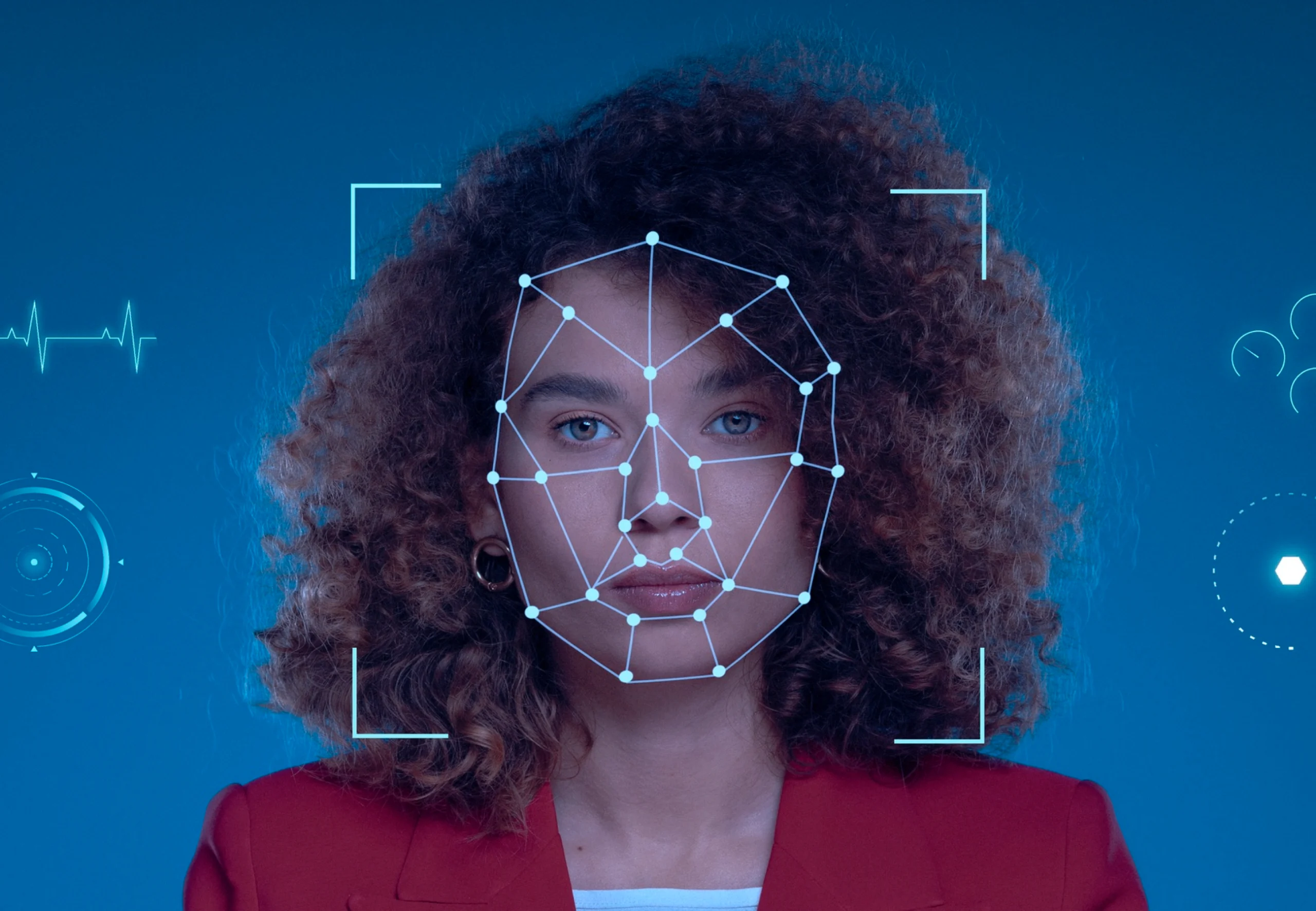
Cameras used to just record. They were passive observers. Then, they learned to recognize faces. It felt like magic at the time. But today, we are seeing a massive shift in how technology works. Now, cameras are finally learning to think. This new era belongs to context-aware AI cameras. These systems analyze environments and actions rather than just facial features. They don’t just see a person; they understand the entire situation. This change is making our world safer and more efficient.
What Does “Context-Aware” Actually Mean?
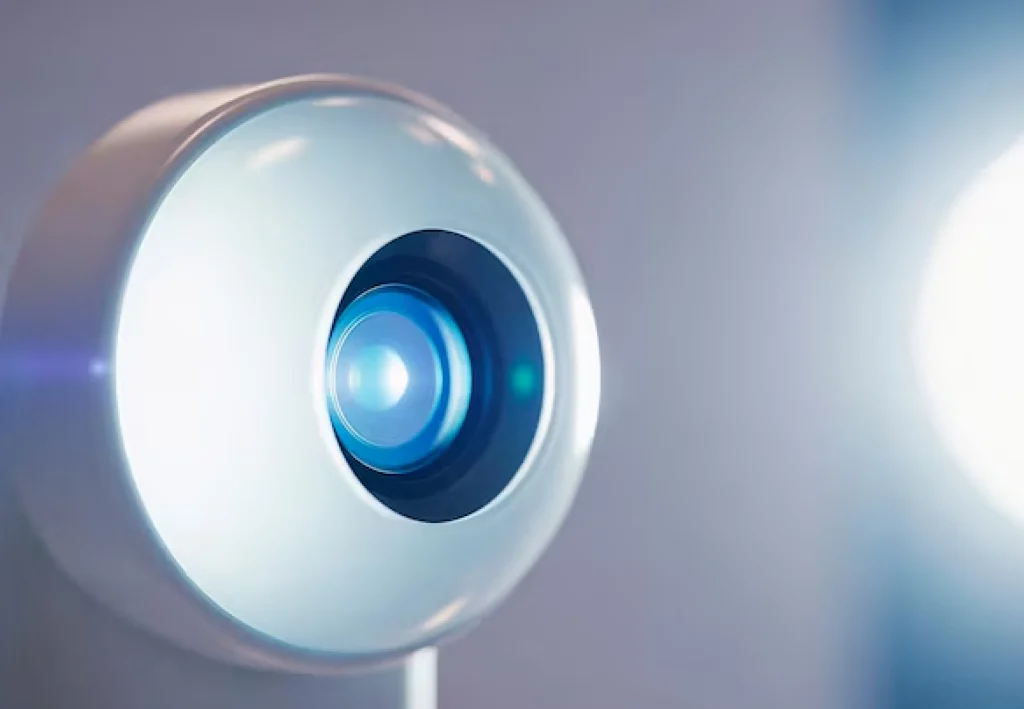
Let’s keep it simple. Most people think of AI as a tool that identifies who is in a photo. That is basic facial recognition. But context-aware AI cameras do much more. They focus on understanding what is happening in a scene. These AI powered cameras read surroundings and movement. They look at behavior and timing to make sense of the world. It is the difference between knowing a person’s name and knowing that they need help.
While face recognition looks for identity, scene understanding AI looks for intent. It connects visual data with real-world meaning. For example, a camera might see a person running. A standard camera just records it. A context-aware system asks: Are they running for a bus or running away from a fire? This level of AI powered situational awareness is a game-changer for every industry. It allows for next-generation camera technology that acts more like a human brain than a simple lens.
Why Traditional Cameras Fall Short
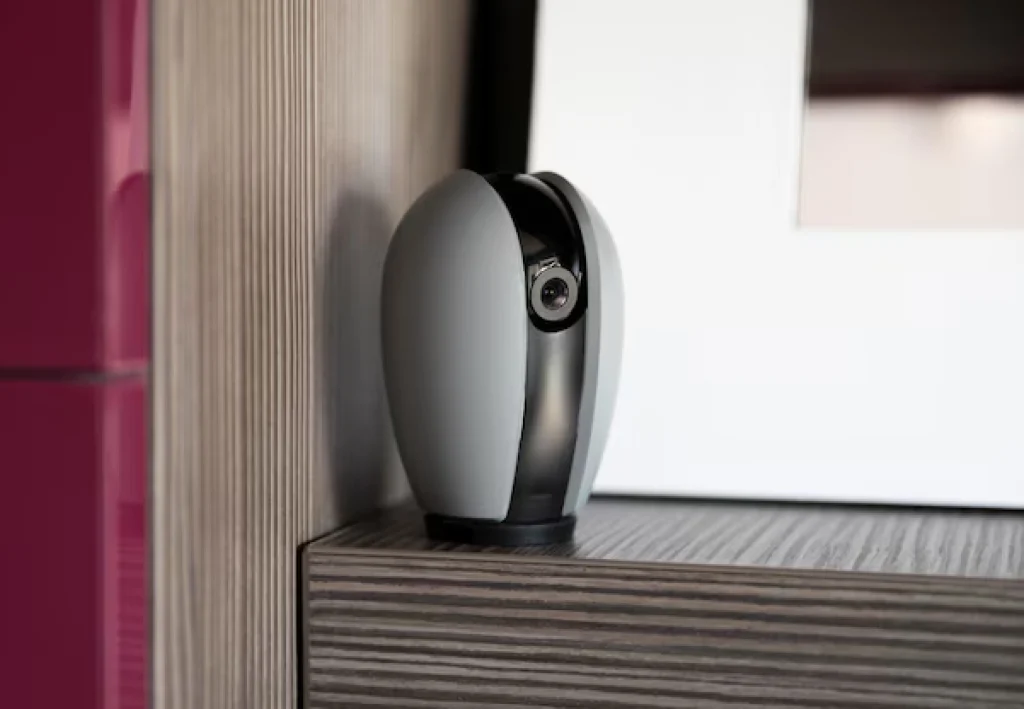
Traditional smart security cameras have a major weakness. They depend heavily on seeing a clear face. If someone wears a mask or stands in low light, the system fails. These older systems also struggle in crowded scenes where faces are hidden. They cannot interpret behavior or events on their own. This leads to a high number of false alerts. You might get a notification every time a cat walks by your door.
This is why context matters so much. Old systems are reactive. They only tell you what happened after the fact. Context-aware AI cameras are proactive. They look at the whole picture to reduce mistakes. By using AI video analytics, these cameras can filter out the noise. They focus on real threats or important events. This sets the stage for a world where we can trust our intelligent surveillance systems to actually understand the moments they capture.
How Context-Aware AI Cameras Work
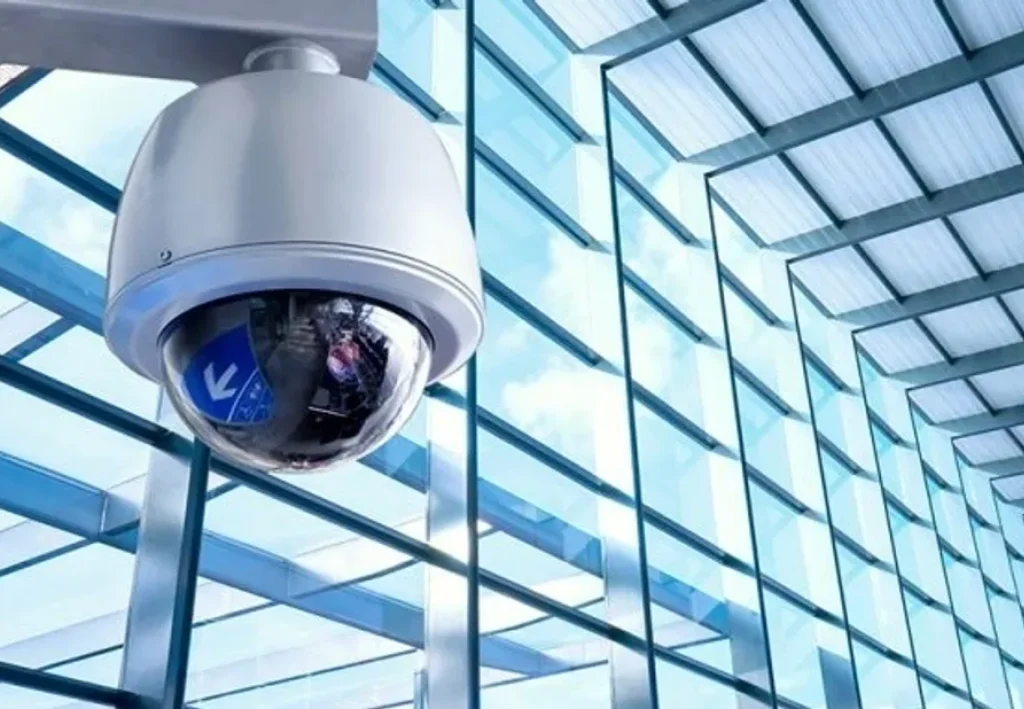
You don’t need a degree in science to understand this tech. These computer vision cameras use deep learning to analyze scenes. Instead of just looking for eyes and noses, the AI looks for patterns. It detects motion, objects, and how they interact over time. This is often called contextual video analysis. The camera captures a scene, the AI analyzes the environment, and it triggers a smart action.It happens almost instantly.
Most of this processing happens right on the device. We call these edge AI cameras. Because the “brain” is inside the camera, the response is instant. There is no need to send huge files to the cloud. This makes AI driven camera systems faster and more reliable. They use vision AI technology to track what happened before and after a specific movement. This time-based understanding ensures that the camera doesn’t just see a snapshot, but a full story.
Real-World Use Cases Beyond Face Recognition
These AI based video monitoring tools are popping up everywhere. In security, they detect suspicious behavior like loitering or abandoned bags. They don’t need to know who the person is to know the situation is unusual. In retail, owners use smart vision systems to track customer flow. They want to see where people stop and shop, not their personal names. This helps businesses improve their layout without invading privacy.
- Smart Cities: These cameras read traffic patterns and detect accidents automatically to send help faster.
- Healthcare: Context-aware AI cameras can identify if an elderly person falls. They provide safety without needing to store facial data.
- Public Safety: Systems can detect smoke or fire in large outdoor areas before a human ever sees it.
Why Context Matters More Than Faces
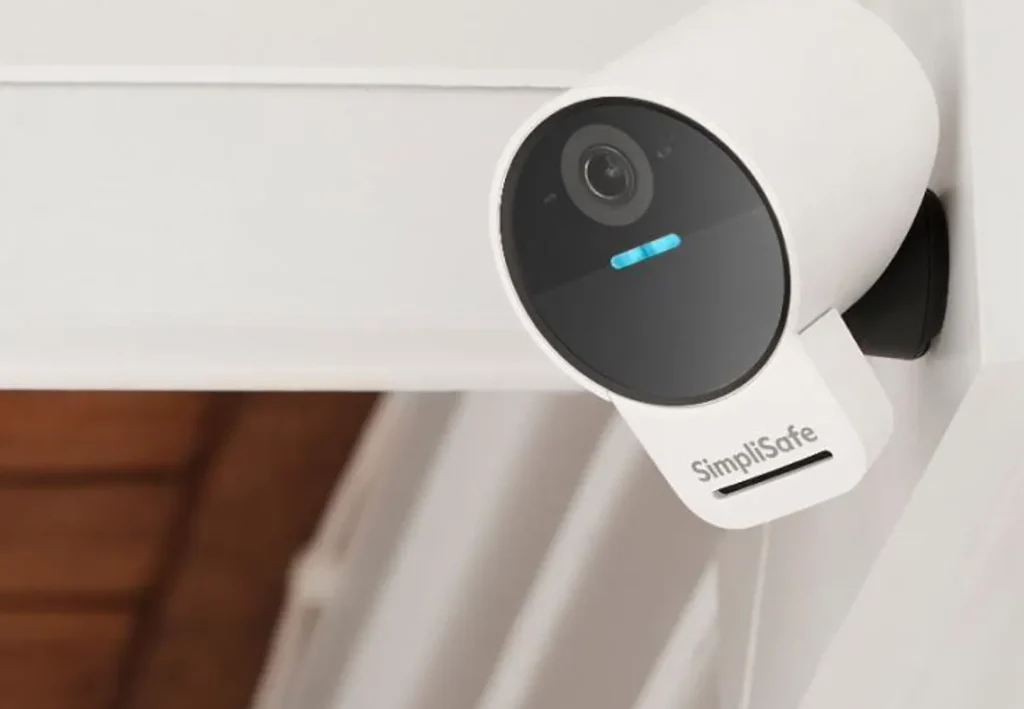
Using context-aware AI cameras offers huge benefits. First, you get fewer false alarms. This saves time and money for security teams. Second, it leads to better decision-making. When a camera understands the situation, it can give more accurate real-time responses. This is a core part of building AI powered situational awareness. It creates a system that is helpful rather than just annoying with constant pings.
Privacy is another big win here. These are often AI cameras without face recognition. They focus on “what” instead of “who.” This makes them privacy-focused AI surveillance tools. By avoiding personal identity data, companies can follow global privacy laws more easily. It builds trust with the public. People feel better knowing a camera is looking for a fire, not checking their ID. This is a more responsible way to use real-time video intelligence.
AI Cameras vs. Traditional Surveillance
The difference between these systems is like night and day. Traditional cameras are face-dependent and very reactive. They understand very little about their surroundings. Context-aware AI cameras are environment-aware. They are proactive and capable of intelligent decision-making. They don’t just record video; they provide answers. This is why many are switching to AI based video monitoring for their homes and businesses.
We are moving from passive recording to intelligent monitoring. This shift is creating a huge growth in edge AI cameras. These devices are becoming part of our smart infrastructure. In the future, every camera will likely have some form of behavior recognition technology. This will allow for event detection using AI that makes our cities run like clockwork. The tech is moving fast, and it is moving toward understanding.
Final Thoughts: Seeing Beyond Faces
The future of context-aware AI cameras is about understanding, not just watching. These systems create safer and smarter environments for everyone. Cameras are no longer just observers—they are interpreters. They help us react to the world in a more human way. As we embrace vision AI technology, we move closer to a world where tech works for us in the background. The smartest cameras won’t just see faces—they’ll understand moments.
FAQ About Context-Aware AI
Can these cameras work without an internet connection?
Yes, many edge AI cameras process data locally. This means they can detect events even if the Wi-Fi goes down.
Do context-aware cameras store my personal data?
Usually, no. Because they focus on cameras that understand situations, they often don’t need to save your facial features or identity.
Are these cameras more expensive than regular ones?
They can be, but the cost is dropping. The value they provide by reducing false alarms often saves money in the long run.




Leave a Reply