


Tech Debt 2.0: How AI-Generated Code Technical Debt is Changing Software
Introduction
AI coding tools are everywhere right now. Developers use them to write complex functions in seconds. Startups use them to ship new products faster than ever before. Even large enterprises use them to cut down on costs. Because of this incredible speed, many teams believe something very dangerous. They assume that using AI means they will deal with less technical debt. It sounds like a dream come true. If a machine writes the code, surely it must be cleaner and better, right?
Unfortunately, that is not what is happening in the real world. AI is not removing the mess. It is simply reshaping it into something new. This new form of debt is harder to see and much harder to trace. It often costs much more to fix later down the road. We call this Tech Debt 2.0. It isn’t just about messy formatting or missing comments. It is about context-free code generation and systems that work today but fail silently tomorrow.
In this guide, we will break down the reality of AI-generated code technical debt. We won’t use hype or fear. Instead, we will look at real risks and real solutions for modern teams. You will learn why the code that looks perfect today might be your biggest headache next year. We need to understand how software development with AI changes the rules of quality.
What is Technical Debt and Why it Still Matters
Technical debt is a very simple idea to understand. It happens when a team chooses speed today over quality tomorrow. In the past, this showed up as bugs that kept coming back or features that took too long to build. It was like taking out a loan. You get the “money” or speed now, but you have to pay it back with interest later. This interest shows up as slow progress and frustrated developers. Eventually, the code becomes so messy that no one wants to touch it.
AI and technical debt follow these same old rules. Even if the code looks beautiful, it can still be debt. This happens if the code ignores the bigger picture of how the system works. AI can write a function, but it cannot own the responsibility for keeping that function running for five years. That job still belongs to the human developer. If you rush a decision using AI, you are still adding interest to your “loan.”
The core problem is that AI lacks long-term intent. It creates a solution for the specific moment you ask for it. It doesn’t know about your future plans to scale or your specific software architecture debt. Because of this, the “debt” is often hidden deeper than before. We must realize that AI coding tools are just tools. They do not replace the need for a solid foundation and careful planning.
The Rapid Rise of AI-Assisted Software Development

The world of AI-assisted software development did not appear overnight. However, it did evolve much faster than most people expected. Today, almost every team uses some form of prompt-based code generation. These tools live right inside the code editor. They suggest whole blocks of logic as you type. They can build APIs, UI parts, and database queries in the blink of an eye.
Teams adopt these tools quickly because they are under a lot of pressure. Investors want results yesterday. Competitors are shipping features every week. AI fits perfectly into this high-pressure world. Workflows have changed from manual typing to a lot of copy-pasting and quick commits. This creates shorter feedback loops, which feels like a major win for productivity.
But there is a catch. While speed improves, deep understanding often does not. Developers might ship a feature without fully grasping how the AI-generated part works. This gap in knowledge is exactly where Tech Debt 2.0 begins to grow. When you don’t fully understand the code you ship, you lose control over your own product. This is a primary risk of AI-generated code technical debt.
How AI-Generated Code Creates Tech Debt 2.0
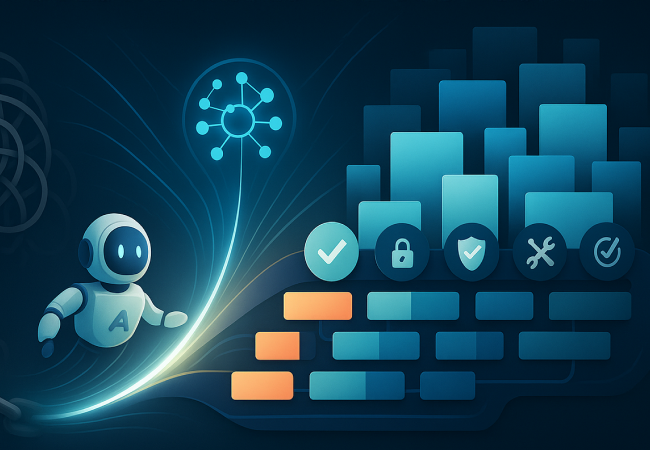
The biggest issue is that AI creates code without context. It looks at patterns in data, not the purpose of your business. It doesn’t know your specific security needs or your long-term goals. Because of this, you get logic that works by itself but clashes with everything else. This leads to scaling problems in AI-written code. Your system slowly loses its logic and becomes a collection of disconnected pieces.
Hidden technical debt in AI code is also very dangerous because the code usually works at first. It passes all the tests and runs fine in production. But the complexity is hiding inside long functions and generic names. New developers will struggle to understand why specific lines of code even exist. Onboarding takes longer, and fixing simple bugs becomes a slow, painful process. The debt isn’t visible on the surface, but it is growing like a weed underneath.
AI also loves to over-complicate things. It might add extra layers of abstraction just because it saw those patterns elsewhere. This leads to over-abstraction in AI code that makes debugging a nightmare. When something breaks, no one knows which layer the error is in. You aren’t fighting a bug; you are fighting a system that no one fully understands. This is a classic sign of technical debt in AI-generated code.
Why This Debt is Harder to Detect
Classic debt is easy to spot. You see “todo” comments or messy blocks of code. But Tech Debt 2.0 is very subtle. The code compiles and looks clean. It follows standard rules. There are no early warning signs that things are going wrong. The problems only appear much later when the system is under stress. This usually happens when your traffic increases or when you try to stack new features on top of old ones.
Think about a simple scenario. A team builds a new feature using AI, and it works great for six months. Then, the number of users doubles. Suddenly, the performance drops off a cliff. Edge cases start failing in strange ways. The fixes take ten times longer than they should. The debt was always there, hiding in the shadows. It just waited for a moment of growth to show its true face.
This is why AI-generated code risks are so high. You feel like you are moving fast, but you are actually building on a shaky foundation. Without a proper code review for AI-generated code, you won’t see the cracks until the building starts to lean. Detection requires a new set of skills and a lot more discipline from the engineering team.
Real-World Example: Speed vs. Long-Term Pain
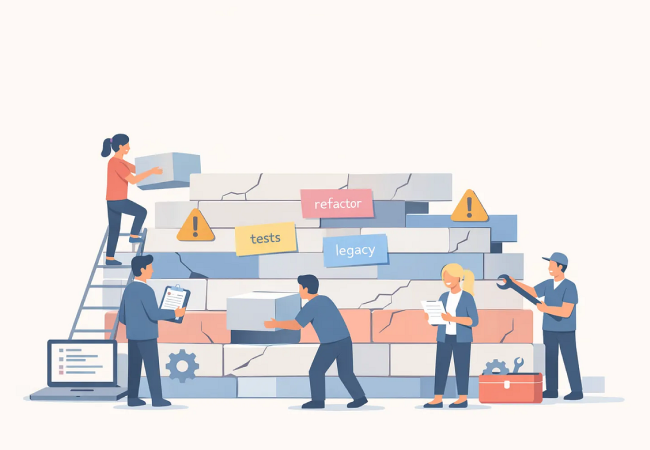
Let’s look at a startup building a new software platform. They use AI heavily to stay ahead of the game. They use it for the backend, the API, and the front-end components. They ship their MVP in record time. At first, everyone was happy. The investors see progress, and the users love the new features. It feels like they have found a “cheat code” for development.
But six months later, the mood changes. Every new feature now takes twice as long to build as the last one. Small bugs start appearing in modules that nobody has touched in weeks. The team feels like they are walking through mud. Refactoring the code feels too risky because nobody is 100% sure how the AI-generated parts interact. This is Tech Debt 2.0 in action.
Their maintenance costs are rising while their release cycles are slowing down. They have more code than ever, but they have less control than they did at the start. This is the ultimate cost of AI-generated code technical debt. They traded their long-term health for a short-term burst of speed. Now, they have to spend months cleaning up the mess just to stay afloat.
When AI-Generated Code Actually Makes Sense
AI is not a bad thing. It is only “unchecked” AI that causes trouble. There are many times when AI-generated boilerplate code is a lifesaver. It is great for prototyping a new idea quickly to see if it works. It is perfect for building internal tools that don’t need to scale to millions of users. In these cases, the speed you get from AI is much more important than perfect long-term design.
The real trouble starts when AI code moves into the core logic of your business. If the code is going to live for years and support your main product, it needs human oversight. You cannot treat AI coding tools like a “set it and forget it” solution. You must apply the same high standards to AI code that you would to a human developer.
Using AI for learning and experimentation is also a great use case. It can help you understand new libraries or languages faster. But you must be the one to decide if that code is ready for the “big leagues.” Discipline is the only thing that prevents AI-generated code technical debt from ruining a great project.
How to Prevent Tech Debt 2.0
To stop this new debt, you must treat AI like a junior developer. You wouldn’t let a new intern rewrite your whole database without checking it, right? The same rule applies here. You must enforce strict architecture reviews before any AI code is merged. This ensures that the new code fits the big picture and doesn’t break your long-term goals.
- Treat AI like a junior: Always check its work for logic and context.
- Enforce reviews: Never merge AI code without a human looking at it.
- Standardize prompts: Use the same guidelines to keep the style consistent.
- Refactor often: Clean up AI-written parts to keep them simple.
- Document everything: Explain why the code exists and what it is supposed to do.
By following these steps, you maintain developer productivity vs maintainability. You get the speed of AI but the safety of human judgment. AI should help you make decisions faster, not make the decisions for you. This is the only way to ensure long-term maintainability issues don’t destroy your hard work.
The Future of AI-Driven Development

The future of AI-driven development is not about machines replacing humans. It is about a new kind of collaboration. Developers will spend less time typing and more time designing. Your role will shift from a “writer” of code to an “architect” of systems. Engineering discipline will matter more in this new world, not less.
The best teams won’t be the ones who type the fastest. They will be the ones who make the best decisions about how to use their tools. Judgment will always outperform raw speed in the long run. As we move forward, the focus will shift to code quality challenges and how to manage them at scale. If you can master this, you will win.
If you rely blindly on AI, you will struggle. But if you use it wisely, you can build amazing things. The key is to stay responsible for every line of code that goes into your product. Don’t let the ease of AI-generated code technical debt fool you into being lazy.
Conclusion: Use AI Wisely, Not Blindly
Technical debt did not disappear when AI arrived. It simply evolved into Tech Debt 2.0. This new debt hides behind clean-looking code and fast delivery. It grows quietly and only shows up when your system needs to scale. AI is a powerful ally, but power without control creates a massive risk for any company.
Teams that balance their speed with responsibility will be the ones that succeed. You must keep a “human-first” approach to your code. Use the machines to do the heavy lifting, but keep your hands on the steering wheel. That is how you avoid the trap of AI-generated code technical debt.
The future belongs to those who understand their tools. Stay curious, stay disciplined, and always keep an eye on the long-term health of your code. If you do that, you will turn AI into a true competitive advantage instead of a hidden liability.
Would you like me to create a custom code review checklist specifically designed for catching AI-generated errors in your team’s workflow?
FAQ’s
1. Does AI-generated code always increase technical debt?
It doesn’t have to be, but the risk is very high. AI-generated code technical debt usually happens when developers “copy-pasted” suggestions without fully understanding them. If you use AI to write a quick function but don’t check how it handles errors or scales with data, you are adding debt. However, if you use AI to create a draft and then carefully refine it, you can actually maintain a very clean codebase. The key is the human review process.
2. How is Tech Debt 2.0 different from “classic” tech debt?
Classic technical debt is usually obvious, like messy formatting or “spaghetti code” that looks disorganized. Tech Debt 2.0 is much more deceptive. The code often looks professional and follows modern syntax rules, but it lacks “intent.” It might be logically disconnected from the rest of your system or contain unnecessary complexity that an AI added based on a generic pattern. It’s the difference between a messy room you can see and a structural crack behind a freshly painted wall.
3. Can AI tools help fix the debt they create?
Yes, to an extent. You can use AI coding tools to help refactor old code or suggest better ways to organize a module. However, you shouldn’t rely on AI to fix the “logic” problems it created in the first place. AI is great at spotting patterns, but it still doesn’t understand your business goals. A human must guide the AI during the cleanup process to ensure the new version actually fits the long-term needs of the project.
4. Should we stop using AI for core business logic?
Not necessarily, but you should treat it with extra caution. For boilerplate or “helper” functions, AI is a massive time-saver. For core logic—the stuff that makes your business unique—you should be writing or at least heavily modifying every line. This prevents scaling problems in AI-written code from breaking your most important features. Use AI as a brainstorming partner for core logic, but let human intelligence make the final call.
5. How do I explain Tech Debt 2.0 to non-technical stakeholders?
The best way to explain it is through the “Speed vs. Control” analogy. Tell them that AI is like a high-speed engine. It allows the team to drive much faster, which everyone loves. But, if we don’t stop to check the tires and the steering (the code quality), we risk a total breakdown once we hit high speeds (scaling). AI-generated code technical debt is the “hidden wear and tear” that happens when you prioritize top speed over regular maintenance.






Leave a Reply