


Introduction
Data is the new currency. But here is the problem. It is under constant attack. In the last few years, we have seen massive data breaches and strict new laws. This has changed how we think about safety online. Users are smarter now. They know how companies collect their data. They want more control. Regulators are also getting tougher. Cyberattacks are becoming more advanced every day. This shift has created two big ideas. We call them privacy-first technologies and zero-trust architecture.
These two concepts work together. They redefine how digital systems protect your information. They also change how we control who gets access to that data. In this guide, you will learn what these terms mean. You’ll discover how these ideas function beyond theory, in real use cases. Most importantly, you will see why they are a must-have for businesses in 2026. If you want to build a secure future, you need to understand privacy-first security. It is about more than just a firewall. It is about a whole new way of thinking.
What Are Privacy-First Technologies?
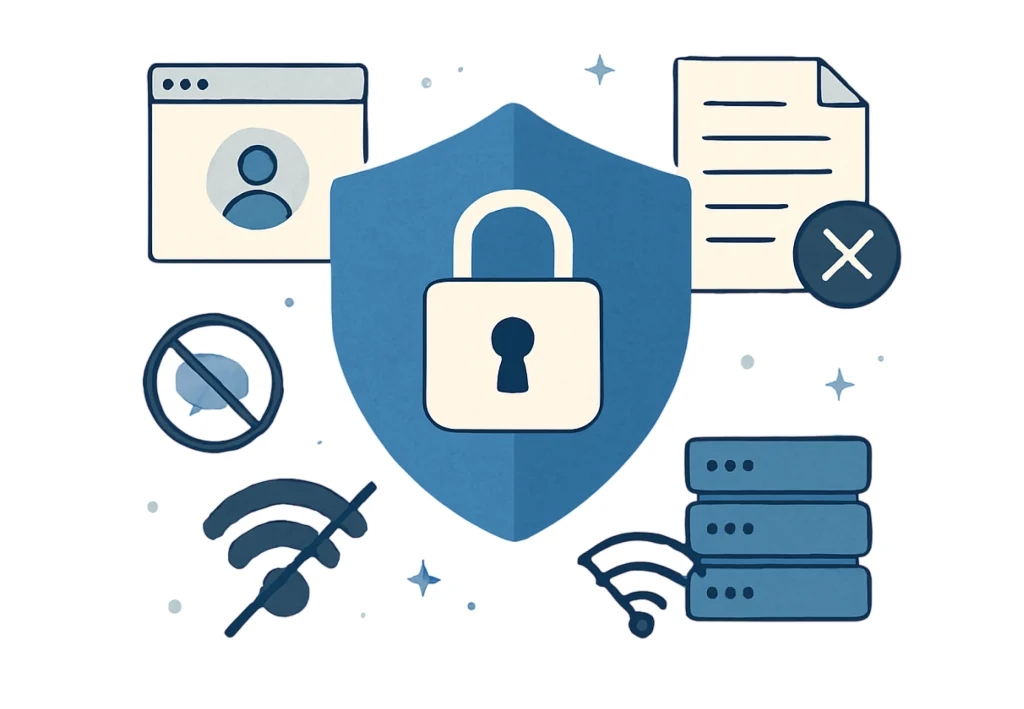
Privacy-first technologies are systems built to protect data by default. In the past, privacy was an afterthought. Companies built a product first. Then they tried to secure it later. That does not work anymore. Today, we use a privacy-first approach. This means we think about data safety from day one. This method focuses on collecting only what is needed. It secures data at every single step. It also gives the user full visibility. You get to decide what happens to your info.
The first big pillar is data minimization strategy. This is a simple rule. You collect just the minimum data required to function. If you never collect the data, it can’t be exposed. Less data means less risk for the company. The second pillar is user consent. Users must know why you need their info. They must be able to say no. The third pillar is encryption by default. We make sure data is unreadable to hackers. We also use decentralized data storage. Instead of one big target, we spread data out. This makes it much harder to steal.
Why is this replacing the old way? Traditional models were “data-hungry.” They grabbed everything they could find. In 2026, that is a huge liability. It is expensive and risky. It can lead to massive fines. A privacy-first data protection plan reduces your legal risk. it also builds trust with your customers. People want to buy from brands that respect them. When you use privacy-focused security systems, you align with modern laws. You move from being a target to being a leader.
Understanding Zero-Trust Architecture (ZTA)
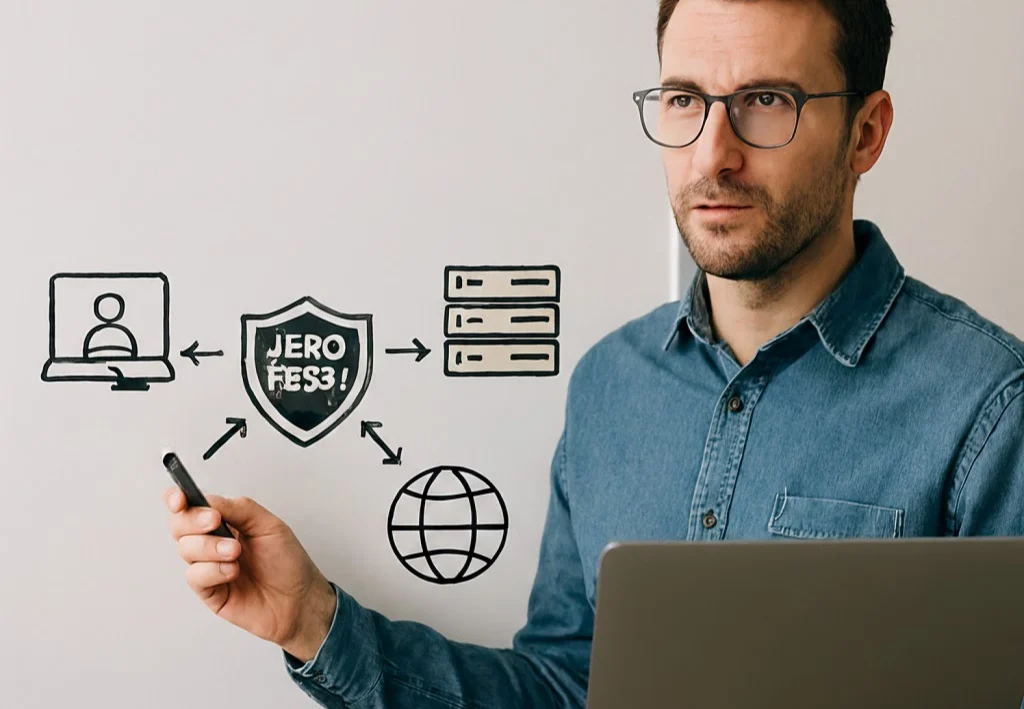
Zero-trust architecture changes a basic rule of the internet. It assumes that nothing is safe by default. In the old days, we thought the “inside” of a network was safe. We built a big wall around the office. If you were inside, you were trusted. But hackers found ways in. Once they were inside, they could go anywhere. Zero trust security model fixes this. It follows one simple phrase. Never trust, always verify.
This means every user and device must be checked. It does not matter if you are sitting in the office or at a coffee shop. The system asks for proof of who you are. This is called continuous authentication. It happens throughout your whole session. We also use least privilege access. This means you only get to see what you need for your job. If you work in marketing, you cannot see the payroll files. This stops a small mistake from becoming a giant breach.
Identity-based security is the core of this framework. We no longer care about your IP address or your location. We care about your identity. We check your password and your phone. We check if your laptop is updated. If everything looks good, you get in. This is a modern cybersecurity architecture. It assumes a breach can happen at any time. By checking everything constantly, we stop hackers in their tracks. It is the best way to run a secure digital infrastructure today.
Why Privacy-First and Zero-Trust Work Better Together

Individually, these tools are great. But when you combine them, they are a game-changer. Think of it like a bank. Privacy-first technologies are like the thick walls of the vault. They make sure the money is hard to get to. Zero-trust architecture is like the security guard at the front door. He checks everyone’s ID. He follows them to make sure they only go to their own locker. Together, they create a fortress. This is what we call privacy-first security.
When you use a privacy-first approach, you limit what a hacker can see. Even if they get past the guard, the data is encrypted. It is useless to them. On the other side, zero trust network security stops people from getting in without an invite. It makes sure only the right people touch the right data. This combo reduces the impact of a breach. It also helps with GDPR compliance security and the DPDP Act compliance.
Businesses get huge benefits from this duo. You get higher user trust. You get better control over sensitive files. You end up spending less over time. Recovering from a hack is very expensive. It is much cheaper to build a zero trust framework from the start. You are not just protecting files. You are protecting your reputation. In a world where everyone is connected, trust is your most valuable asset.
Key Technologies Powering These Systems
Several tools make privacy-first data protection possible. The most common is end-to-end encryption (E2EE). This ensures only the sender and receiver can read a message. Even the company hosting the service cannot see it. Then we have identity and access management (IAM). This is the brain of the system. It manages who has permission to enter. It keeps a log of every move.
Another vital tool is multi-factor authentication (MFA). You likely use this already. It sends a code to your phone when you log in. It adds a second layer of safety. We also use secure API architecture. This allows different apps to talk to each other without leaking data. For big companies, enterprise data protection often involves privacy-preserving AI. This is a cool new tech. It lets AI learn from data without actually “seeing” the private parts.
- Continuous authentication: Checks your identity every few minutes.
- Decentralized data storage: Keeps data in many places to avoid a single point of failure.
- Identity-based security: Uses your digital ID as the main key.
- Least privilege access: Gives you the minimum access needed for your task.
- Remote workforce security: Keeps employees safe while they work from home.
Real-World Use Cases for 2026
How does this look in real life? Let’s look at healthcare. Doctors now use privacy-first technologies to share records. They use HIPAA data protection standards to keep patient info safe. With zero trust network security, a hacker cannot jump from the waiting room Wi-Fi into the surgery records. It keeps your medical history private. Patients feel safer using digital health apps when they know the tech is secure.
In the world of Finance, it is even more critical. Fintech apps use a zero trust security model to stop fraud. They use secure API architecture to move money. This means your bank account is never fully exposed. Even if one part of the app has a bug, your money stays in the vault. Enterprise data protection is also huge for remote work. Companies can now have employees all over the world. They use remote workforce security to make sure the home office is just as safe as the main office.
Benefits for Businesses in 2026

Switching to a privacy-first security model is a smart business move. It is not just about stopping hackers. It is about growth. First, it lowers your risk of a breach. Breaches cost millions. They can ruin a company. Second, it helps with DPDP Act compliance. If you follow the rules, you don’t get fined. Third, it increases customer confidence. People love brands that care about their privacy.
Another big plus is better support for remote workforce security. In 2026, most people work from home at least some of the time. You need a system that works everywhere. Zero-trust architecture is built for this. It treats the home office and the head office exactly the same. This makes it easier to scale your business. You can hire the best people from anywhere. You don’t have to worry about their home router being a weak point.
Implementation Challenges to Watch Out For
- Complexity: Moving to a zero trust framework takes time. You cannot do it overnight.
- Legacy Systems: Old software might not work with new identity-based security. You may need to upgrade.
- User Experience: If security is too hard, people will try to bypass it. You have to keep it simple.
- Training: Your team needs to learn the new rules. Privacy by design requires a change in culture.
Best Practices for Moving Forward
Ready to start? Begin with identity-based security. Make sure you know exactly who is on your network. Use multi-factor authentication (MFA) for every single account. Next, do an audit. See what data you are holding. Use a data minimization strategy to delete what you don’t need. If you don’t need it, get rid of it. This is the heart of a privacy-first approach.
Always encrypt everything. This includes data sitting on your servers and data moving across the web. Use privacy-first data protection tools to keep things locked down. Monitor your systems 24/7. Look for strange behavior. If a user logs in from a new country, ask for extra proof. This is continuous authentication in action. Design your systems with privacy by design from the very first day. It is much easier than trying to fix a broken system later.
Future Trends in Privacy and Security
The future looks bright for privacy-first technologies. We are seeing a move toward passwordless authentication. You will use your face or fingerprint instead of a typed password. This is much harder to steal. We are also seeing more decentralized data storage. This means no more giant data leaks from one server. Your data will be split into tiny, encrypted pieces across the globe.
We will also see more privacy-preserving AI. These models can find patterns without ever looking at your personal details. This allows for great features without the “creepy” factor. Zero trust security model will become the standard for every company, big or small. Global laws like the DPDP Act compliance will get even stronger. The companies that win will be the ones that put the user first.
Conclusion: Building Trust in a Zero-Trust World
Trust is no longer something you just ask for. It is something you build into your code. By using privacy-first technologies and zero-trust architecture, you protect your future. You move away from old, risky habits. You move toward a modern cybersecurity architecture that actually works. In 2026, breaches are a matter of “when,” not “if.” Smart leaders prepare for that reality today.
Combining privacy-first security with a zero trust framework is the only way to stay ahead. It keeps your data safe and your users happy. It makes sure you stay on the right side of the law. The systems we build today will define the digital world of tomorrow. Start your journey toward enterprise data protection now. It is the best investment you can make for your brand.
Frequently Asked Questions
1. What is the main difference between privacy-first and zero-trust?
A privacy-first approach focuses on protecting the data itself. Zero-trust architecture focuses on who is allowed to access that data. You need both for total safety.2.
2. Is a zero trust security model too expensive for small businesses?
No. You can start small. You can use multi-factor authentication (MFA) and identity-based security without a huge budget. It scales as you grow.
3. How does zero trust help with GDPR compliance security?
It limits who can see personal data. It also provides logs of every access. This makes it much easier to prove you are following the rules.
4. Can I use AI with a privacy-first data protection plan?
Yes. You can use privacy-preserving AI. These systems analyze data while keeping the individual details hidden and safe.



Leave a Reply