

Introduction
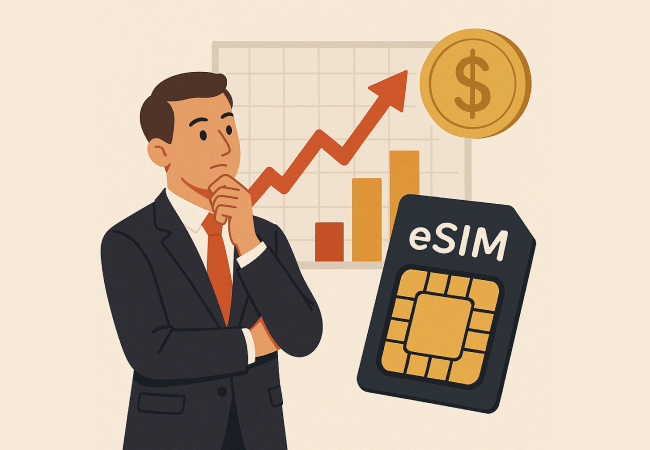
The way we connect is changing fast. For years, we relied on tiny pieces of plastic to get a signal. But in 2026, those days are over. eSIM adoption is now the gold standard for staying connected. This shift isn’t just a minor update. It is a total transformation of mobile connectivity in 2026.
Think about it. You buy a new phone. There’s no need to wait for a physical SIM in the mail. You don’t hunt for a paperclip to open a tray. Instead, you just tap a few buttons. Your phone connects to a network instantly. This is the power of digital SIM cards. They are built directly into your hardware. This small change is making life much easier for everyone.
By the middle of 2026, the eSIM market growth has reached record highs. Why? Because we want things to be simple. We want our devices to work right out of the box. eSIM-enabled devices make this possible. Whether you are at home or traveling, the digital shift is here to stay. It is the biggest change in mobile tech since the launch of 5G.
What exactly is an eSIM?
Let’s do a quick refresher. What is an eSIM? The “e” stands for embedded. It is embedded SIM technology. This means the chip is soldered onto the motherboard of your phone or watch. You cannot remove it. You don’t need to. It stores your carrier profile digitally. This is why many people call them digital SIM cards.
The difference between an eSIM vs physical SIM is clear. A physical SIM is a one-trick pony. It holds one number for one carrier. If you want a new carrier, you need a new card. An eSIM is programmable. You can download a new profile in seconds. This flexibility is why global eSIM adoption is exploding right now.
In 2026, physical SIM cards are becoming rare. They take up too much space inside a phone. Manufacturers want that space for bigger batteries or better cameras. Plus, plastic SIM cards create a lot of waste. Moving to digital SIM activation is better for the planet. It is a win-win for tech companies and users alike.
Why 2026 Is the Year of the eSIM
Several big factors are pushing eSIM adoption to the limit this year. First, look at the hardware. Most flagship smartphones are now eSIM-only. There is no slot for a physical card anymore. This forces the market to adapt quickly. If you want the best phone, you have to use an eSIM.
Second, we have the expansion of 5G and IoT. IoT connectivity solutions need to be scalable. Imagine a company with 10,000 smart sensors. They cannot manually swap 10,000 SIM cards. They need to manage everything remotely. Embedded SIM technology allows them to update every device from a central dashboard.
Third, there is a massive demand for seamless global travel. People are tired of high roaming fees. They want eSIM travel benefits like local data plans the moment they land. Carriers have noticed this. Now, almost every major provider offers robust carrier support for eSIM. It is no longer a niche feature for tech enthusiasts.
1. Real Transformation: Instant Network Activation
One of the best things about mobile connectivity in 2026 is speed. I’m talking about how fast you can get online. In the past, switching carriers was a headache. You had to visit a store. You had to wait in line. Now, you can do it from your couch. This is the beauty of digital SIM activation.
You just scan a QR code or use a carrier app. Your plan activates in minutes. This speed is a game-changer for people who value their time. It also creates more competition. If a carrier offers a better deal, you can switch almost instantly. It allows consumers to take charge.
2. Seamless International Roaming
Travel used to be stressful for mobile users. You either paid $10 a day for roaming or hunted for a local SIM shop. In 2026, eSIM travel benefits have solved this. You can buy a data plan for Japan while you are still sitting in London. When your plane touches down, your phone finds the local network.
This creates a seamless experience. You never lose touch with your family. You can use maps the second you exit the airport. Many travelers now use dual SIM eSIM setups. They keep their home number active for texts while using a local eSIM for cheap data. It is the smartest way to travel in the modern world.
3. Better Security for Your Data
Security is a huge topic in 2026. Traditional SIM cards have a big flaw. If someone steals your phone, they can pop out the SIM. They can put it in another phone and access your accounts. eSIM adoption fixes this. Since the SIM is embedded, it cannot be removed.
This makes SIM swapping scams much harder to pull off. It also helps with phone theft. A thief cannot simply “reset” the cellular connection by pulling a card. The phone stays connected, allowing easier monitoring. Embedded SIM technology adds a vital layer of protection to our digital lives.
4. Managing Multiple Profiles
Most of us have busy lives. We have a work number and a private number. In the old days, you needed two phones. Then we had phones with two slots. Now, eSIM-enabled devices allow you to store many profiles on one chip. You can toggle between them in your settings.
This is perfect for the “digital nomad” lifestyle. You can have a local plan, a work plan, and a home plan all at once. This level of mobile connectivity in 2026 was a dream just a few years ago. It keeps your life organized and your pockets light. You no longer need to carry extra hardware to stay reachable.
The Big List: eSIM Advantages and Disadvantages
When looking at eSIM advantages and disadvantages, the pros usually win. But it is important to see the whole picture. Here is a breakdown of what to expect in 2026:
The Advantages:
- No physical cards: You never have to worry about losing a tiny piece of plastic again.
- Fast switching: Change your carrier or plan in just a few taps.
- Travel-friendly: Get local data plans instantly in almost any country.
- Enhanced security: Your SIM cannot be stolen or easily cloned.
- Multiple profiles: Store work and personal numbers on a single device easily.
- Sleeker designs: Phones can be thinner or have bigger batteries without a SIM slot.
The Disadvantages:
- Regional gaps: Some smaller carriers in developing regions are still catching up.
- Old tech: If you love vintage phones, they won’t support digital SIM cards.
- Setup hurdle: Some users find the first-time digital setup a bit confusing.
- Transfer limits: Moving an eSIM between phones depends on your carrier’s specific rules.
- Needs Internet: You usually need a Wi-Fi connection to download your new eSIM profile.
How Apple Is Leading the Charge
You can’t talk about this tech without mentioning eSIM in iPhones. Apple was one of the first to go “all in.” They started by adding an eSIM alongside a physical slot. Then, they moved to eSIM-only models in the US. By 2026, this trend has spread to almost all their global models.
The Apple eSIM features are very polished. They make it easy to transfer your SIM from an old iPhone to a new one. It happens during the initial setup. You don’t even need to call your carrier. This ease of use is a major reason why eSIM adoption grew so fast. Apple set the bar, and others followed.
The security in iPhones is also top-notch. They use a “Secure Enclave” to protect your eSIM data. This means your digital identity is locked down tight. If you use eSIM in iPhones, you are using some of the most secure mobile tech available. It is a big selling point for privacy-conscious users in 2026.
Why Investors Love the eSIM Market
The business world is paying close attention to the eSIM market growth. It is not just about phones. It is about everything that connects to the internet. Think about cars, tablets, and even smart meters. All these things need IoT connectivity solutions. Investors see a massive opportunity here.
There is a huge rise in companies that manage these digital profiles. Subscription-based models are becoming very profitable. Instead of selling a piece of plastic once, carriers can offer flexible, digital-first services. This is why we see so many startups in the embedded SIM technology space.
We are also seeing big partnerships. Car makers are teaming up with telecom giants. They want to ensure your “smart car” has a constant connection. This ecosystem is creating thousands of jobs. The future of mobile SIMs is a major driver of the global tech economy in 2026.
How Different Industries Benefit
The impact of eSIM adoption touches everyone. For consumers, it is all about convenience. For telecom operators, it is about saving money. They don’t have to print, store, or ship millions of plastic cards. This lowers their overhead costs significantly.
In the world of IoT device connectivity, the impact is even bigger. Smart cities use eSIMs to manage street lights and water sensors. Logistics companies use them to track shipments across borders. These devices need to stay connected without human intervention. eSIM makes that possible.
Enterprises also love this tech. A company can give an iPhone to a new employee and activate their work line remotely. There is no need for the IT department to handle physical cards. It makes managing a large fleet of devices simple and centralized. This is the new standard for business mobile connectivity in 2026.
Comparison: eSIM vs Physical SIM in 2026
| Feature | eSIM | Physical SIM |
| Setup Time | Instant / Digital | Manual / Physical |
| Security | Very High | Moderate |
| Roaming | Simple & Cheap | Often Costly |
| Flexibility | Many Profiles | One Profile |
| Device Space | None (Built-in) | Needs a Tray |
| Environment | Eco-friendly | Plastic Waste |
Challenges We Still Face
Even with all this progress, global eSIM adoption isn’t perfect yet. There are still some speed bumps. Some smaller countries have not updated their laws. They still require physical registration for phone numbers. This can slow down the move to a fully digital system.
There is also an education gap. Many people still don’t know what an eSIM is. They are used to the old way of doing things. Carriers and manufacturers need to do more to explain the benefits. Transitioning away from older, non-eSIM devices also takes time. Not everyone buys a new phone every year.
Lastly, 5G and eSIM integration can sometimes be tricky. Ensuring a perfect signal while switching between multiple digital profiles requires great software. Most of these bugs are gone by 2026, but some users still experience minor glitches during setup.
Looking Ahead: The Future of Mobile SIMs
What comes after eSIM adoption? We are already seeing the next steps. Some devices are testing “iSIM” technology. This integrates the SIM directly into the phone’s main processor. It saves even more space and uses less power.
By the end of the decade, the physical SIM card will be a museum piece. We will live in a world of totally digital, global connectivity. Your watch, your glasses, and your car will all share one data pool. Smartphone SIM alternatives will become the only way we know how to connect.
The future of mobile SIMs is invisible. It is just there in the background, making sure you are always online. This is the ultimate goal of 5G mobile connectivity in 2026. It is about removing barriers. It is about making technology serve us, rather than making us manage the technology.
Conclusion
The rise of eSIM adoption is the most important mobile trend of 2026. It has changed how we travel, how we work, and how we stay secure. From the ease of eSIM in iPhones to the massive scale of IoT connectivity solutions, the benefits are everywhere.
We are leaving the era of plastic cards behind. We are entering an era of instant, digital freedom. While there are still some challenges with regional support, the momentum is unstoppable. The eSIM market growth proves that users and businesses alike are ready for this change.
In short, mobile connectivity in 2026 is faster, safer, and more flexible than ever before. Whether you are a frequent flyer or a business owner, eSIM technology is working for you. It is a great time to embrace the digital SIM revolution.
FAQs
Do all iPhones support eSIM?
Most models made in the last few years fully support it. In 2026, almost every iPhone in use is compatible.
Is an eSIM-only iPhone better for travel?
Absolutely. It makes getting local data plans much faster. You don’t have to find a store in a foreign country.
How secure is Apple’s eSIM?
It is very secure. Apple uses hardware-level encryption to keep your digital SIM safe from hackers and thieves.
What is driving investor interest in eSIM?
The massive growth in IoT and the move toward digital-only carrier models make it a very profitable sector.
Would you like me to help you create a specific SEO meta description or a social media promotional plan for this blog post?


Leave a Reply