

1. Introduction: Why Everyone Is Talking About 5G
The internet is evolving at lightning speed, and 5G technology is at the center of this transformation. It promises faster speeds, ultra-low latency, and the ability to connect countless devices simultaneously. Unlike older networks, 5G is not just about accessing websites faster—it’s about creating a more connected and intelligent digital world. From high-definition video calls to fully automated smart cities, the potential of 5G is enormous. People are discussing it because it can reshape the way we work, play, and live online, making daily interactions smoother and more efficient.
In this article, we’ll explore what 5G really is, how it works, the benefits and limitations it brings, and what the near future may hold. By the end, you’ll understand whether 5G is a true game changer or mostly hype. The goal is to provide a clear, easy-to-read breakdown so readers can make informed decisions about adopting 5G technology.
2. What Is 5G? (Explained Simply)
5G is the fifth generation of mobile networks. It is designed to be faster, more reliable, and capable of handling more devices at the same time. Unlike 4G or LTE, which primarily focus on speed improvements, 5G introduces ultra-low latency, higher energy efficiency, and intelligent network management. It is not just a better 4G—it’s a complete upgrade that allows for more connected, smarter devices.
Speed is one of the most noticeable differences. 5G can deliver data up to 10 to 100 times faster than 4G under optimal conditions. Latency, or the delay between sending and receiving data, is drastically reduced, making real-time interactions like online gaming, AR experiences, and remote healthcare smoother. The capacity of 5G networks is also impressive, allowing thousands of devices to connect without slowing down the network.
Despite the hype, misconceptions about 5G remain. Some believe it is already available everywhere, but coverage is still limited in many regions. Others think it will completely replace 4G overnight, yet both networks currently coexist. Finally, concerns about safety persist, although no credible scientific evidence suggests that 5G is harmful.
3. How 5G Technology Works
The strength of 5G technology lies in its combination of speed, low latency, and efficiency. High-frequency bands allow for ultra-fast download and upload speeds, so HD videos, large files, and cloud applications load almost instantly. Ultra-low latency ensures that the time between sending and receiving data is just a few milliseconds, which is essential for activities like multiplayer gaming, AR/VR experiences, and remote medical procedures.
Another critical component is network efficiency. 5G can support thousands of devices simultaneously without performance drops. Smart homes, offices, and public systems all benefit from this robust connectivity. Imagine a smart city where traffic lights, emergency systems, and security cameras communicate in real time. 5G makes this seamless interaction possible, creating safer, more responsive urban environments.
AI integration also plays a role. Many 5G networks are beginning to use intelligent systems that optimize data routing, manage network traffic, and predict peak demand. This ensures users get consistent speeds even in crowded areas, laying the foundation for future applications like autonomous vehicles and fully automated cities.
4. What Has 5G Changed So Far?

Even though 5G networks are still rolling out globally, they have already made noticeable improvements. Downloads and uploads are significantly faster, reducing the time needed to access movies, software updates, or large files. Streaming platforms like YouTube, Netflix, and Zoom benefit from minimal buffering and higher-quality streams, enhancing remote work and entertainment.
Mobile gaming is another area seeing major gains. Multiplayer games now run more smoothly, with lower lag and faster response times. Smart devices, such as wearables, home assistants, and connected cameras, also perform more reliably thanks to stronger network support. While these advantages are mostly visible in urban areas with good coverage, they demonstrate the practical benefits of 5G in everyday life.
5. Real-World Use Cases of 5G
The impact of 5G goes far beyond smartphones. Healthcare is one sector already leveraging 5G for remote surgery, patient monitoring, and telemedicine. Students experience online education and VR learning with minimal lag, creating immersive, interactive lessons. Smart cities use 5G to manage traffic, energy systems, and public safety in real time, while businesses benefit from faster cloud access and smoother communication.
In mobile devices, 5G enables instant app downloads, seamless streaming, and responsive mobile gaming. These examples illustrate that 5G is not just about faster internet; it’s about enabling smarter ecosystems and more efficient workflows across industries.
6. Pros of 5G Technology
5G benefits are clear. Users enjoy extremely fast internet speeds, which makes accessing high-definition content and large files effortless. Lag and buffering are minimized, which is ideal for gamers and streamers. 5G networks can support multiple devices simultaneously, making it perfect for smart homes and IoT setups. Even in crowded areas like concerts or stadiums, connectivity remains strong. Beyond consumer applications, 5G boosts innovation in AI, AR, and IoT, enabling technologies such as autonomous vehicles and advanced AR apps.
7. Cons of 5G Technology
However, 5G networks also face challenges. Coverage remains limited in many rural and suburban areas, and older devices cannot access full 5G speeds. The cost of building infrastructure is high, which slows rollout in less populated regions. Some smartphones experience higher battery drain when using 5G, and performance depends on location, especially since high-frequency signals struggle to penetrate walls or travel long distances. Users must weigh these limitations before upgrading.
8. Is 5G Worth It for Everyday Users?
Whether 5G is worth adopting depends on individual usage. Gamers, tech enthusiasts, and professionals who rely on real-time applications will notice the most significant improvements. Casual users who mainly browse social media or stream standard-definition content may see little difference initially.
For those in areas with strong 5G coverage and frequent high-speed internet usage, investing in a 5G-enabled smartphone is worthwhile. For others, 4G remains a sufficient option for everyday tasks.
9. Future of 5G: What’s Coming Next
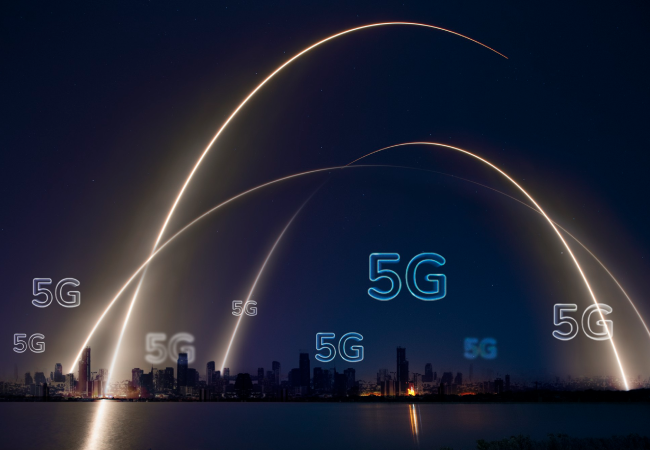
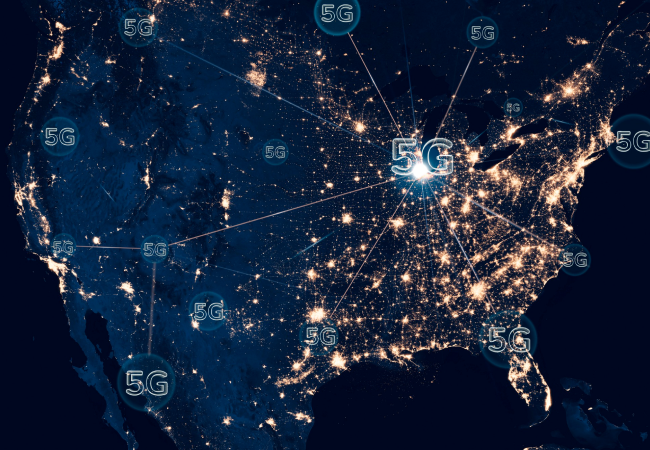
The future of 5G looks promising. Global coverage will expand, including rural areas that currently lack service. Real-world speeds will increase, offering a more consistent experience, while networks become more stable even during peak usage.
Automation and AI-driven services will depend heavily on 5G networks. Smart infrastructure, autonomous vehicles, and fully connected devices will all benefit from low latency and reliable connectivity. As 5G adoption increases, its role in shaping digital transformation will become more pronounced.
10. Future 5G Leaks & Early Industry Signals
Industry insiders hint at several exciting developments. Speed boosts may surpass current limits, enabling faster-than-ever internet experiences. Networks will become more energy-efficient, consuming less power. Integration with AI systems will allow dynamic optimization of traffic and resources. Early trials of 5G-Advanced show lower latency, higher reliability, and enhanced capabilities. 5G also serves as a foundation for 6G, setting the stage for the next generation of wireless connectivity. These predictions come from patents, carrier reports, and early trials across the tech industry.
11. Final Verdict: Is 5G a Game Changer or Just Hype?
The answer is both. 5G has already improved downloads, streaming, gaming, and connectivity for smart devices. Industries like healthcare, education, and urban infrastructure are leveraging its capabilities. Yet coverage gaps and device limitations prevent it from being universally transformative today.
In the coming years, as networks expand and devices upgrade, 5G will play a central role in digital life. Users who want faster speeds, smoother connections, and early access to emerging technology will find it worth adopting. For others, 4G continues to serve basic needs adequately.
12. FAQs
1. Is 5G safe to use?
Yes. Radiation levels are within safe limits defined by health authorities.
2. Does 5G consume more battery?
It can, particularly when phones switch between 4G and 5G frequently.
3. Do all phones support 5G?
No. Only devices with 5G hardware can use full network speeds.
4. Is 5G available everywhere?
Not yet. Urban areas have better coverage than rural regions.
5. Can 5G improve gaming and streaming?
Yes. Lower latency and higher speeds enhance performance for games and high-definition streams.6. Is 5G the future of mobile networks?
Yes. It enables smarter cities, AI integration, and lays groundwork for 6G.


Leave a Reply