

Introduction: Why Apple 2026 Matters
Apple 2026 is shaping up to be more than just another product cycle. It looks like a turning point. After years of gradual upgrades, Apple appears ready to make bolder moves that could reshape its ecosystem for the next decade.
Two developments stand out. First, the long-rumored Foldable iPhone is finally moving closer to reality. Second, Apple is making a deeper push into connected living through Apple smart home innovations. Together, these changes signal a shift in how Apple views personal technology.
Apple has always played the long game. While rivals rushed into foldables and smart homes, Apple waited. That delay now looks strategic. The company used the time to refine hardware, mature software, and strengthen ecosystem control. If current reports are accurate, Apple smart home 2026 and the Apple foldable iPhone 2026 could redefine daily tech use.
This article breaks down what the leaks suggest, why Apple waited, and what users should expect. No hype. Just practical insight based on Apple’s patterns, platform strategy, and execution history.
Foldable iPhone: What the Leaks Reveal
1. Apple’s First Foldable iPhone — Overview
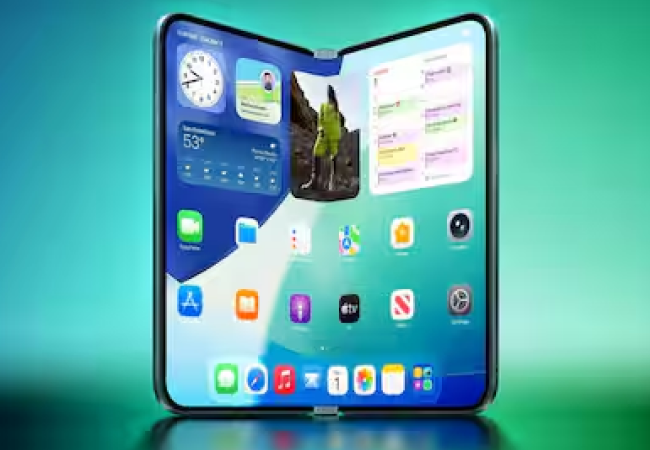
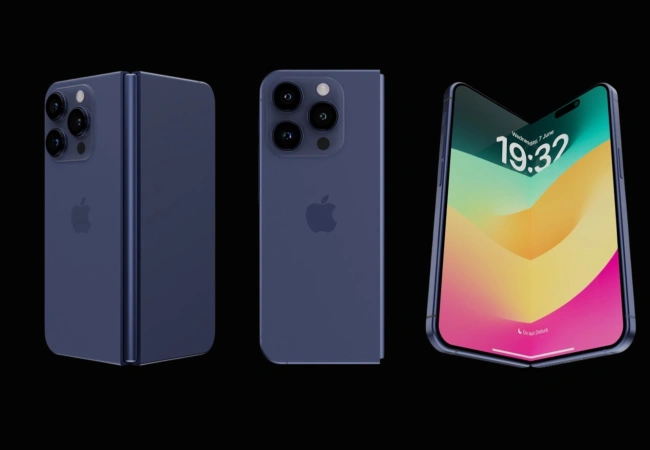
The Foldable iPhone is expected to use a flexible display that folds inward. When closed, it works like a normal phone. When opened, it becomes a tablet-sized screen. This places Apple directly into the flexible display smartphone category.
Foldable phones already exist. But Apple’s entry matters because of influence. When Apple adopts a form factor, developers follow. Accessory makers adjust. Design standards change.
Apple waited because early foldables had problems. Hinges broke. Screens creased. Software felt unfinished. Apple avoids launching products that feel incomplete. By entering later, Apple foldable iPhone 2026 can launch with durability, stability, and refined user experience.
This mirrors Apple’s past strategy. The company did not invent smartphones or smartwatches. It perfected them. The same approach now applies to foldables.
2. Foldable Display Design & Build
Leaks suggest Apple is obsessed with one thing: durability. The biggest complaint about foldables remains the crease. Apple reportedly focused years of research on solving this issue.
Reports point toward a crease-free foldable display, using advanced OLED or micro-OLED panels. A redesigned hinge spreads pressure evenly across the screen. This reduces wear over time.
Expected hardware characteristics include:
- An internal display measuring around 7 to 8 inches when unfolded
- A reinforced hinge tested for hundreds of thousands of folds
- Premium materials like titanium frames and strengthened glass
- Improved resistance to dust and water, a known weak point in foldables
This aligns with Apple’s emphasis on longevity. Apple does not want a foldable that feels fragile. It wants one users trust daily.
From a design perspective, this could become a next-generation iPhone design benchmark for the industry.
3. iOS Features Optimized for Foldables
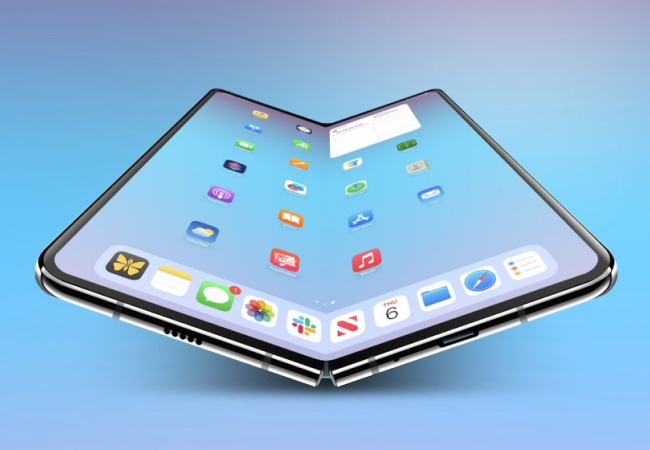
Hardware alone will not carry the Foldable iPhone. Software will decide success. Apple’s advantage lies in iOS.
Leaks suggest a dedicated set of iOS foldable features built specifically for flexible screens. These features aim to make the fold useful, not gimmicky.
Expected software enhancements include:
- True split-screen multitasking with smooth drag-and-drop
- Apps that resize instantly when folding or unfolding
- Continuity features syncing tasks across iPhone, iPad, and Mac
- Productivity tools optimized for reading, writing, and editing
These changes could make the Foldable iPhone a serious work device. Users may replace tablets for many tasks. Developers may start designing apps assuming flexible layouts.
This is where Apple usually wins. Hardware attracts attention. Software builds habits.
4. Expected Launch Timeline & Pricing
Most foldable iPhone leaks point to a late 2026 launch. Apple is expected to position the device above Pro models, not alongside them.
This will not be a mass-market phone. It will be a flagship statement.
Pricing expectations include:
- Premium pricing well above current iPhone Pro models
- Limited supply during early launch stages
- Gradual expansion to more markets over time
This controlled rollout reduces risk. It also protects Apple’s brand. Apple prefers fewer happy users over many disappointed ones.
Apple’s Smart Home Vision for 2026
5. Apple’s Renewed Focus on Smart Home Tech
Smart homes have never been Apple’s strongest category. That may change in Apple smart home 2026. AI is now powerful enough to make automation useful. That timing matters.
Apple’s approach differs from competitors. Instead of flooding the market with devices, Apple focuses on cohesion. The goal is a privacy-focused smart home that works without constant tinkering.
This strategy aligns with Apple’s identity. Fewer devices. Better integration. Stronger trust.
6. New Smart Home Devices Rumored
Leaks suggest Apple is preparing a small but meaningful lineup of Apple smart home devices. Each device supports the broader ecosystem rather than existing alone.
Rumored devices include:
- An Apple smart display for home control and communication
- A redesigned smart home hub acting as the central brain
- Environmental sensors tracking motion, temperature, and security
- AI-powered accessories that adapt to user behavior
Each device emphasizes simple setup and minimal configuration. Apple wants users spending time living, not troubleshooting.
This strengthens Apple’s position in the connected home ecosystem.
7. Siri, AI, and Home Automation
Siri has lagged behind competitors. Apple knows this. In 2026, Siri smart home automation is expected to improve significantly through AI.
Apple plans to rely more on on-device AI processing. This reduces cloud dependence and improves speed. It also strengthens privacy.
Expected improvements include:
- More natural conversational commands
- Better understanding of routines and context
- Automation based on habits, not manual rules
- Stronger privacy through local data handling
These upgrades connect directly to Apple AI features across devices. When Siri improves, the entire ecosystem benefits.
Matter, HomeKit, and Ecosystem Integration
8. Matter Standard & Cross-Platform Support
Apple’s support for Matter is critical. Apple Matter support reduces fragmentation in smart homes. Users no longer feel locked into one brand.
Matter enables:
- Easier setup across manufacturers
- Reliable communication between devices
- Fewer compatibility headaches
This allows Matter-compatible devices to work alongside Apple products. Apple keeps control while offering flexibility.
9. Seamless Apple Ecosystem Experience
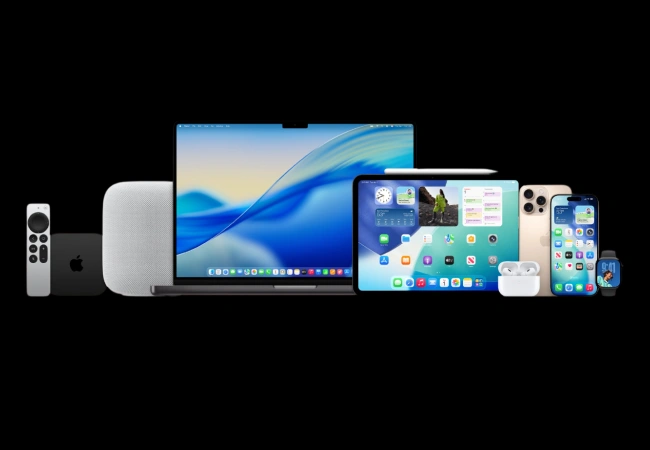
Apple ecosystem integration remains Apple’s strongest weapon. In 2026, smart homes connect deeply with personal devices.
Examples include:
- iPhone controlling home scenes instantly
- Apple Watch delivering security alerts
- HomePod acting as speaker and controller
- Automation syncing across all Apple devices
This seamless flow builds trust. It also keeps users inside Apple’s ecosystem.
How Apple 2026 Could Change Everyday Tech
10. Impact on Smartphones
The Foldable iPhone could influence smartphone expectations. Users may start expecting phones to handle tablet-level tasks.
Developers may adapt apps for flexible layouts. Designers may rethink screen assumptions. This could slowly reduce reliance on separate tablets.
This marks a shift in how people interact with screens.
11. Impact on Smart Homes
Apple’s smart home push simplifies complexity. Fewer apps. Strong privacy. Reliable automation.
This may encourage more users to adopt smart homes. Especially users who avoided them due to confusion or trust issues.
The focus remains function over flash.
12. Pros and Cons of Apple’s 2026 Strategy
Pros
- Premium hardware quality across devices
- Strong privacy and security focus
- Deep ecosystem integration
- Reliable long-term software support
Cons
- High pricing limits accessibility
- Limited early availability
- Slower innovation pace compared to rivals
Balanced analysis builds trust. Apple’s strategy trades speed for reliability.
13. What Apple Needs to Improve
To succeed fully in Apple 2026, Apple must address a few areas.
Battery life remains critical for foldables. Pricing must gradually become accessible. Siri must feel genuinely intelligent. Third-party smart home support must stay smooth.
Execution matters more than ambition.
15. Final Verdict: Is Apple Ready for the Future?
Apple’s foldable iPhone and smart home strategy suggest a company preparing for long-term relevance. Risks exist. But Apple’s cautious approach reduces failure.
If executed well, Apple smart home innovations and the Apple foldable iPhone 2026 could reshape daily technology use.
16. Conclusion
Apple 2026 is not about chasing trends. It is about refining them. Flexible hardware. Smarter software. Homes that adapt naturally.
For users, developers, and smart home builders, the message is clear. Apple is not rushing. But when it moves with purpose, the impact lasts.
The future may not arrive fast. But with Apple, it often arrives finished.
Frequently Asked Questions (FAQs)
1. Will Apple really launch a foldable iPhone in 2026?
Current foldable iPhone leaks strongly suggest that Apple is targeting a 2026 release window. Apple rarely comments on unreleased products, but supply chain reports and patent activity support this timeline. Apple tends to launch new form factors only when they meet strict quality standards. That pattern makes Apple foldable iPhone 2026 a realistic expectation rather than speculation.
2. How will the Foldable iPhone be different from existing foldables?
The Foldable iPhone is expected to focus on durability and software polish. Apple aims to solve common issues like screen creases and fragile hinges. Reports point to a crease-free foldable display and stronger materials. More importantly, Apple will optimize iOS from day one. This gives users smoother multitasking and better reliability than early foldable phones.
3. Will iOS apps work properly on a foldable iPhone?
Yes. Apple is known for tight hardware and software alignment. The Foldable iPhone will likely ship with advanced iOS foldable features. Apps will resize smoothly when the device folds or unfolds. Developers will also receive updated tools to support flexible layouts. This ensures consistent performance across screen modes.
4. How expensive will the Apple foldable iPhone be?
The Apple foldable iPhone 2026 will likely carry premium pricing. Apple is expected to position it above current Pro models. Early availability may also be limited. Over time, pricing could stabilize as production scales. Apple usually prioritizes quality over affordability in first-generation devices.
5. What new smart home products is Apple planning for 2026?
Leaks suggest several Apple smart home devices are in development. These include a smart display, a redesigned smart home hub, and new sensors. Apple may also introduce AI-powered accessories. Each product focuses on ease of use, privacy, and deep ecosystem integration. This reflects Apple’s long-term Apple smart home 2026 strategy.




Leave a Reply