


Stop guessing where technology is going.
Start understanding what will actually shape your daily life.
By 2026, Google AI smart glasses and Google XR devices will no longer feel like futuristic experiments. They will become practical tools people use every day. These devices will change how we work, travel, learn, communicate, and access information—without constantly checking a phone.
This shift matters because it moves technology away from screens and into the real world. Google smart glasses 2026 represent a new way to interact with digital information. One that feels natural, hands-free, and useful.
In this guide, you’ll learn how AI smart glasses 2026 and the Google Android XR ecosystem will reshape tech. You’ll also see why this change is different from past wearable failures. And most importantly, you’ll understand what users, developers, and businesses should start preparing for now.
Everything here is based on real-world use cases, platform strategy, and realistic limits. No hype. No guessing.
Why Google’s AI Smart Glasses Matter More Than Any Wearable Before
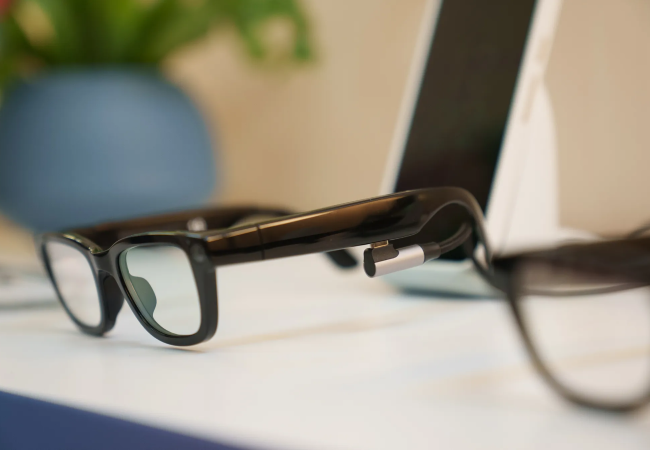
Wearables have promised big changes for years. But most of them failed to deliver real impact. Smartwatches became tiny phone screens. Fitness bands tracked steps. None changed how people think about technology.
Google AI smart glasses aim to break that pattern.
Instead of pulling users into a screen, these glasses push information into the real world only when needed. That shift sounds small, but it’s huge. It changes how attention works. It changes how focus works. It changes how people interact with data.
This move introduces context-aware AI wearables. Devices that understand what you see, where you are, and what you’re doing. They help without demanding attention.
From a trust and authority standpoint, Google has a clear advantage. The company brings decades of AI research, massive real-world data, and global platforms like Search and Maps. That experience gives Google wearable technology a strong foundation that most competitors simply don’t have.
A New Vision for Wearable Tech (Why This Time Is Different)
Google Glass failed for a reason. It arrived too early.
AI was weak. Hardware felt awkward. Battery life was poor. Privacy concerns were ignored. The product did not fit into daily life.
Google smart glasses 2026 fix those mistakes by design.
Modern AI can now process images, speech, and context in real time. Hardware is lighter and socially acceptable. Privacy controls are clearer. Most importantly, Google understands one key lesson.
Wearable tech must disappear into daily life.
It should help quietly, not announce itself.
This generation of smart glasses with AI focuses on solving real problems. No gimmicks. No forced features. Just useful assistance when it matters.
AI at the Core: How Gemini Powers Real-World Intelligence
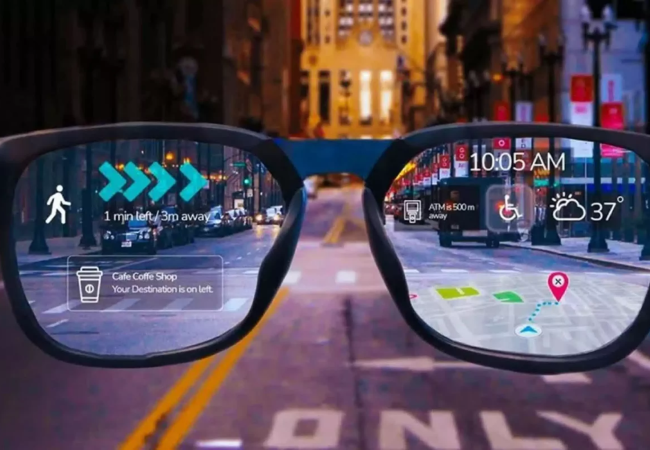
At the center of Google AI smart glasses is Gemini. This is Google’s advanced multimodal AI system. Gemini does not wait for commands. It works as a hands-free AI assistant.
Gemini understands what you see.
It understands what you hear.
It understands what you’re doing.
That combination enables AI-powered wearable tech that feels natural instead of robotic.
Here’s where Google Gemini AI glasses deliver real value:
- Real-time language translation glasses allow people to talk across languages instantly. Travelers, students, and global teams benefit immediately.
- Visual recognition identifies places, products, or landmarks you’re looking at and shows relevant details without opening an app.
- Navigation guidance appears directly in your view, so you don’t need to check a phone while walking or driving.
- Context-based reminders trigger at the right moment, not at random times.
This level of intelligence turns AI-driven smart eyewear into an everyday companion instead of a novelty.
Google Android XR: The Platform That Makes Everything Scalable
Great hardware fails without a strong platform. Google understands this better than most companies.
That’s why Google Android XR exists.
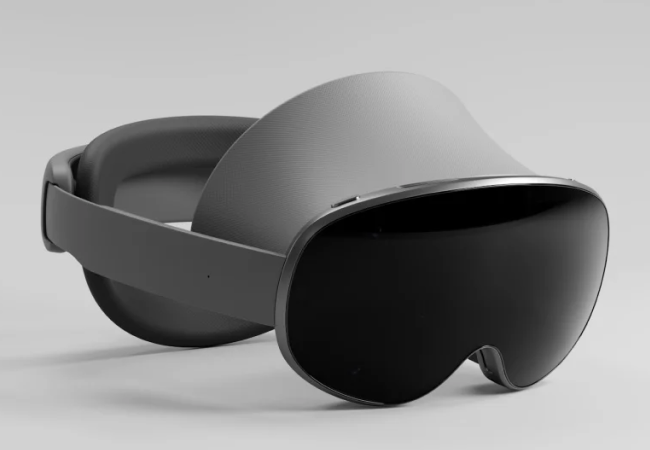
The Android XR platform is built specifically for Extended Reality (XR) devices, including Google AR glasses, smart glasses, and mixed-reality headsets. It avoids the fragmentation that hurt earlier XR efforts.
Android XR focuses on stability, consistency, and long-term growth.
The Android XR platform enables:
- Interoperability across devices from multiple brands, giving users flexibility and choice.
- Shared development tools that reduce cost and speed up innovation.
- Deep integration with Google services like Maps, Search, and Workspace.
- Consistent experiences across glasses, headsets, and future Google mixed reality devices.
This approach turns Google XR devices into a platform investment, not a short-term experiment.
From Everyday Smart Glasses to Immersive Computing Devices
Google’s XR vision goes beyond eyewear.
While AI smart glasses 2026 focus on daily tasks, Google is also building immersive computing devices for work, education, and creativity. These devices blend physical and digital worlds smoothly.
Some glasses prioritize audio-based help with subtle visuals using in-lens display technology. Others support richer overlays for complex tasks.
Beyond glasses, Google’s XR headsets support virtual and mixed reality devices for training, collaboration, and design. This expands XR beyond gaming and entertainment.
It turns XR into a productivity tool.
What This Means for Tech in 2026
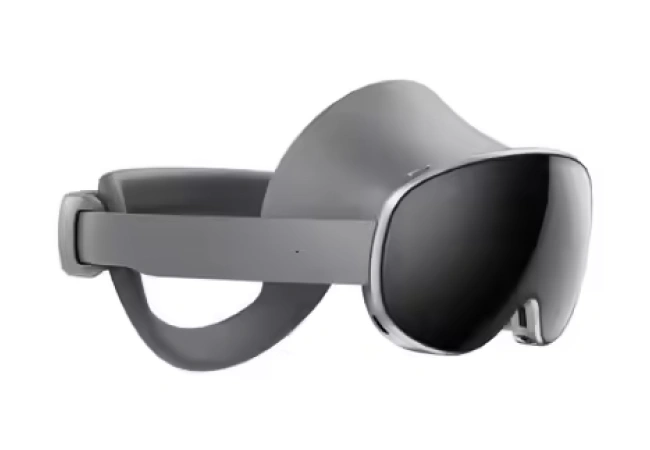
Google’s push into XR signals a major shift. Technology will no longer demand attention. It will adapt to behavior.
Smartphones won’t disappear overnight. But their role will change.
By 2026, expect these changes:
- Pocket-centric computing will decline as information moves into the user’s natural line of sight.
- AI will become ambient and proactive instead of reactive.
- Apps will shift toward spatial interfaces and voice-first design.
This transition defines the rise of post-smartphone technology.
Use Cases That Will Drive Mass Adoption
Technology only wins when it solves real problems.
Google XR devices succeed where hands-free access saves time and reduces friction. Early adoption will grow fastest in areas with repeat daily use.
Navigation, translation, remote collaboration, healthcare support, training, and accessibility will lead the way. These use cases create habits, not hype.
Businesses that adopt XR early may also reduce training costs and improve communication speed.
Pros and Cons of Google AI Smart Glasses
Key advantages driving adoption:
- Hands-free interaction improves safety and focus.
- Real-time AI adapts to the user’s environment.
- Deep Google ecosystem integration increases value.
- Android XR ensures long-term compatibility.
- Reduced dependence on smartphones for daily tasks.
Key challenges that remain:
- Privacy concerns around cameras and data collection.
- Battery life limits for all-day usage.
- Social acceptance will take time.
- Early pricing may limit mass adoption.
Balanced analysis builds trust. These challenges are expected.
What Google Still Needs to Improve
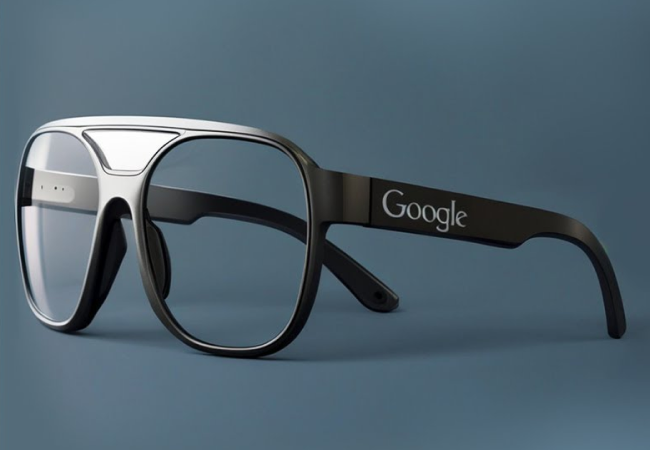
For Google smart glasses 2026 to succeed at scale, Google must focus on execution. Battery life must improve. Privacy controls must be clear and visible. Hardware must stay lightweight.
User trust will matter more than raw features.
The technology is ready. Responsibility will decide success.
Final Verdict: Will Google Redefine the Future of Tech?
Google AI smart glasses and Google XR devices represent the strongest attempt yet to move computing beyond screens. They won’t succeed instantly. But they have the right foundation.
If Google executes well, these devices could redefine personal computing for the next decade.
Conclusion
As 2026 approaches, Google’s vision for AI-powered wearable tech points toward a future where technology fades into the background. It helps quietly. It respects focus.
For developers, businesses, and everyday users, now is the time to understand Google Android XR, spatial computing technology, and context-aware AI wearables.
Because when Google smart glasses mature, the real advantage won’t be owning them.
It will be knowing how to use them intelligently.
Frequently Asked Questions (FAQs)
1. What are Google AI smart glasses?
Google AI smart glasses are wearable devices powered by Google’s Gemini AI. They can recognize objects, read your surroundings, and provide contextual assistance in real time. Unlike conventional wearables, they bring digital information directly into your line of sight, making interactions hands-free and intuitive.
2. When will Google AI smart glasses be available?
While Google hasn’t confirmed an exact date, leaks and industry reports suggest a 2026 launch. Google is focusing on durability, software optimization, and style, meaning these devices may debut as premium offerings initially, with wider availability later.
3. What features will Google XR devices include?
Google XR devices will cover augmented, mixed, and virtual reality. Key features include:
- Real-time object recognition and contextual assistance
- Navigation overlays and calendar reminders
- Live language translation
- Immersive headsets for work, gaming, and training
These devices integrate with the Android XR platform, allowing apps and experiences across multiple hardware types.
4. How does Gemini AI enhance smart glasses?
Gemini AI enables context-aware AI wearables. It observes the environment, understands speech, and predicts user needs. For example:
- Translating conversations instantly with real-time language translation glasses
- Identifying restaurants or landmarks and displaying reviews
- Offering navigation and reminders without touching a phone
This transforms glasses from passive accessories into active personal assistants.
5. What is Android XR and why does it matter?
Android XR is Google’s operating system for smart glasses, headsets, and XR devices. It ensures cross-device compatibility, smooth developer tools, and integration with Google services like Maps, Workspace, and Assistant. By standardizing the ecosystem, it prevents fragmentation and accelerates adoption.


Leave a Reply